Container shipping struggles with tight capacity, high costs, and reliability issues, driven by port congestion and geopolitical risks.
Global container shipping continues to operate under strain, and for cargo owners, the message is clear: capacity remains tight, costs remain elevated, and reliability demands closer attention than ever.
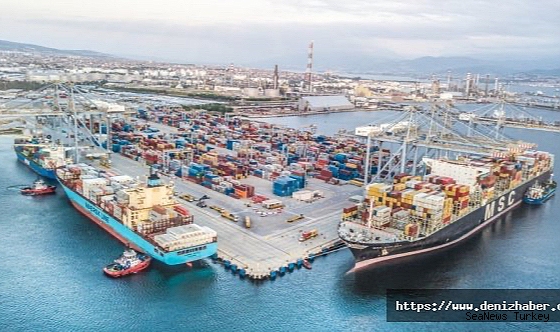
Recent seaexplorer data shows approximately 1.85 million TEU of vessel capacity waiting outside key ports worldwide. That volume of idle capacity represents cargo delayed, schedules disrupted, and freight budgets under pressure. When ships queue outside terminals rather than working cargo, effective fleet capacity shrinks, and rates respond accordingly.
The pressure stems from a combination of forces. Strong cargo demand continues to fill vessels. Constrained landside infrastructure, from terminal handling to inland rail and trucking, limits how quickly boxes clear the quay. Geopolitical risk adds another layer of uncertainty, and rising operational costs feed through into the rates shippers ultimately pay.
Vincent Clerc, Chief Executive Officer of Maersk, has argued that ports and inland networks have become the decisive bottleneck in the market. In his assessment, the constraint is no longer simply the number of ships afloat but the capacity of terminals and hinterland connections to absorb and move cargo once it arrives.
For cargo owners, that distinction carries practical weight. Delays at ports and on inland corridors directly affect final-mile delivery timelines and inventory planning, even when ocean transit proceeds on schedule.
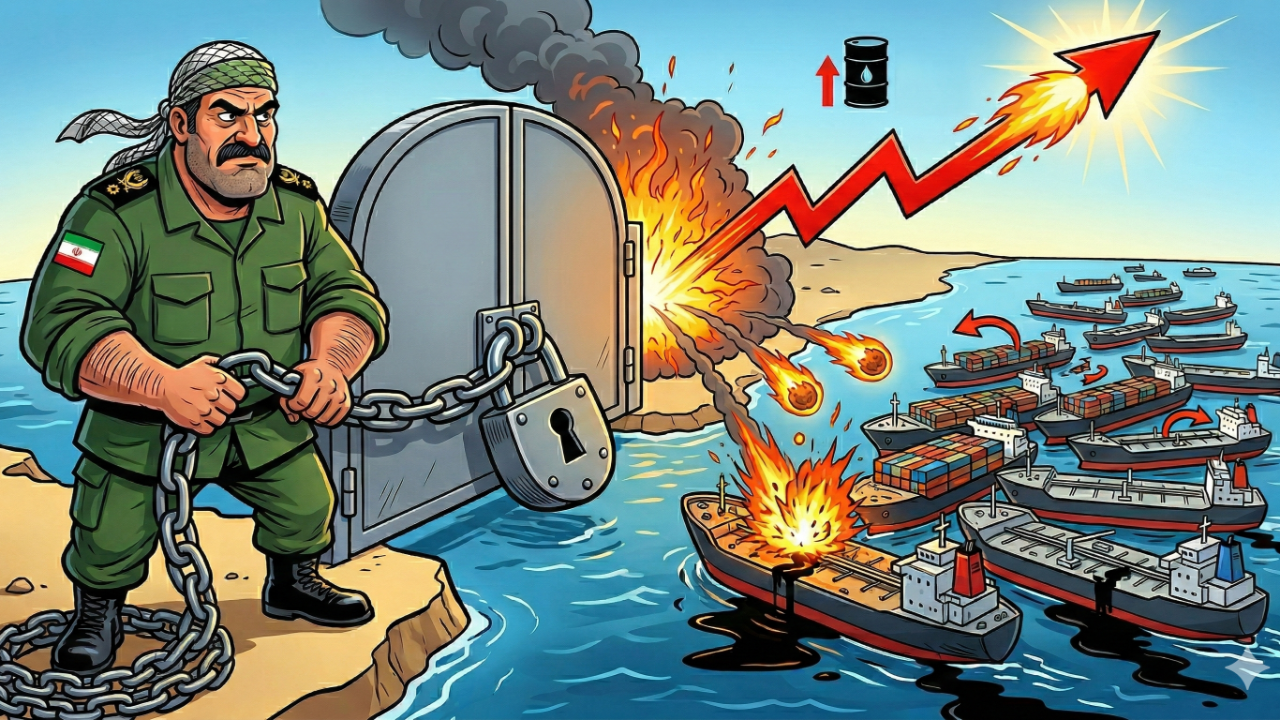
Several analysts place greater emphasis on the Red Sea and wider Middle East disruptions as the key variables shaping rates and capacity. Renewed security threats in the region force carriers to weigh costly diversions around southern Africa against the risks of transiting established routes.
Each diversion adds transit time, consumes vessel capacity, and raises fuel and operational costs. Those costs rarely stay with carriers alone; they flow through to freight rates and, in turn, to the landed cost of goods.
The current environment reinforces the value of a few core priorities:
- Cost control: Elevated rates and diversion surcharges make active freight-cost management essential. Comparing routing options and locking in contract terms can protect budgets against sudden spikes.
- Reliability: With congestion concentrated at ports and inland networks, building schedule buffers into planning helps safeguard customer commitments and delivery deadlines.
- Real-time visibility: Knowing where cargo sits, whether waiting outside a port or rerouted around a conflict zone, allows for faster decisions and fewer surprises.
Both perspectives, the port-and-inland view and the Red Sea view, describe the same underlying reality: shipping capacity is stretched, and the risk of disruption remains high across multiple points in the supply chain. Cargo owners who combine cost discipline, flexible routing, and strong shipment visibility are best positioned to protect the value of their goods and keep commitments to their own customers intact.
The pressure on container shipping is not a passing squall. It is a structural challenge that rewards preparation, adaptability, and a clear view of cargo at every stage of the journey.