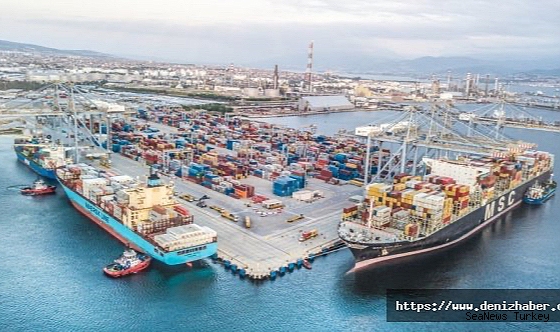
Hutchison Ports Yantian partners with 16 APEC ports to launch a green shipping corridor initiative at the Shenzhen Port Global Supply Chain Conference 2026.
Hutchison Ports Yantian signed a memorandum of understanding with 16 ports from 10 APEC economies and launched a green shipping corridor initiative with US partners at the Shenzhen Port Global Supply Chain High-Quality Development Conference 2026, reported a Hutchison press release.
The MoU covers smart port development, green technologies, trade facilitation, and maritime workforce training. Ports from Australia, Hong Kong, Indonesia, Korea, Malaysia, Mexico, Peru, Thailand, the United States, and Viet Nam joined the agreement under the theme of forging new cooperation for port and shipping.
Yantian also partnered with Shenzhen Port Group, the Port of Los Angeles, and the Port of Long Beach to launch the Shenzhen Port International Green Shipping Corridor Cooperation Initiative. This effort aims to accelerate maritime decarbonisation and build sustainable supply chains. The launch was supported by the Shenzhen Transportation Bureau and the Shenzhen Maritime Safety Administration.
The conference drew nearly 900 representatives from government agencies, consulates, shipping lines, port operators, logistics firms, and industry associations. It coincided with the 22nd Maritime Day of China and served as a platform for APEC China 2026 industry exchange.
Jia Liwei, Deputy Director-General of the Shenzhen Transportation Bureau, stated that Shenzhen would strengthen the integration of port, shipping, logistics, and manufacturing sectors to build efficient and resilient corridors for Asia-Pacific and global connectivity. He pledged continued policy guidance and service support.
Eric Ip, Group Managing Director of Hutchison Ports and Chairman of Yantian, mentioned that the company has invested in Yantian since 1993 and now operates in 22 ports across nine APEC economies. He described ports as platforms to promote trade, connect markets, and bring together people and cultures, highlighting Asia-Pacific as a core strategic market.