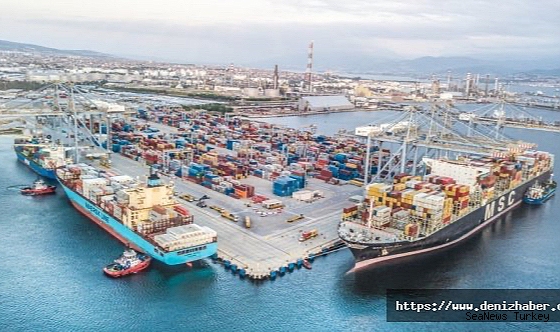
The IMO convenes in London to shape the regulatory framework for shipping's transition to net-zero emissions by 2050.
Negotiations to determine the regulatory future of the global shipping industry continue as the International Maritime Organization (IMO) convenes member states in London to seek consensus on the framework that will govern the sector's path to net-zero emissions.
The IMO, the United Nations agency responsible for regulating international shipping since its founding in 1948, oversees a sector that carries roughly 80 percent of global trade by volume and accounts for close to 3 percent of worldwide greenhouse gas emissions. With 176 member states under its authority, the organization now stands at a decisive point in translating climate ambition into binding regulation.
The meeting builds on the revised greenhouse gas strategy adopted by the IMO in 2023, which set a target of net-zero emissions from international shipping by or around 2050, alongside interim checkpoints for 2030 and 2040. Reaching those goals requires more than aspiration; it demands a concrete regulatory mechanism that member states can agree upon, implement, and enforce across a fleet operating in every ocean and under dozens of national flags.
At the center of discussions is the 'Net-Zero Framework,' a combination of a global fuel standard and an emissions pricing mechanism. The framework was approved in principle at the Marine Environment Protection Committee (MEPC 83) session in April 2025. However, formal adoption hit a major political hurdle during an extraordinary MEPC session. Delegates voted 57 to 49 (with 21 abstentions) to adjourn the vote, postponing the decision until late 2026 amid disputes over economic impacts, pricing levels, and enforcement procedures. While this delay extends regulatory uncertainty for the sector, the fundamental architecture of the framework—setting progressively stricter limits on the greenhouse gas intensity of marine fuels while imposing a cost on emissions exceeding those limits—remains the baseline for ongoing intersessional negotiations.
For a sector long dependent on heavy fuel oil, the transition represents a structural shift. Alternative fuels such as green methanol, ammonia, and biofuels remain in limited supply and are more expensive, and the infrastructure to bunker them at major ports is still developing.
Consensus at the IMO is difficult by design. Decisions require alignment among maritime nations with very different economic circumstances, ranging from major shipowning states to developing economies that depend heavily on affordable trade routes. Several members have voiced concern that emissions pricing could raise transport costs and disproportionately affect nations distant from primary markets.
The debate turns on core questions. How high should the cost of emissions be set? How should the revenue raised be distributed, particularly toward supporting developing states and funding cleaner fuels? And how quickly should the fuel standard tighten without destabilizing global supply chains?
These tensions explain why the London sessions carry such weight. A framework that is too lenient risks failing its climate targets, while one perceived as too costly risks losing the broad support the IMO needs to function. Balancing environmental urgency against economic reality remains the organization's defining task.
For cargo owners, the outcome of these negotiations reaches directly into cost structures, planning, and reliability. A pricing mechanism for marine emissions would, over time, feed into freight rates, adding a new variable to the budgeting of businesses that already manage tight margins and high shipment volumes.
Yet the framework also brings a measure of predictability. Clear, phased regulation allows shippers to anticipate cost changes rather than react to sudden shocks, and to factor compliance into long-term contracts and route planning. Businesses with visibility into how carriers are adapting their fleets and fuel strategies will be better positioned to protect delivery commitments and control expenses.
Practical priorities for shippers preparing for the transition include:
Cost forecasting: Building expected emissions-related charges into freight budgets and contract negotiations.
- Carrier engagement: Assessing how shipping lines plan to meet fuel standards and what that means for capacity and rates.
- Route reliability: Monitoring how regulation may reshape service networks and transit schedules across modes.
- Real-time visibility: Using tracking and data tools to maintain oversight as the industry adjusts.
Regulatory change of this scale rewards preparation. Shippers who understand the framework early can turn a compliance challenge into a planning advantage.
The London meeting is more than a technical negotiation over fuel standards and emissions pricing. It represents an effort to steer an industry that underpins the global economy toward a lower-carbon future without severing the trade links that businesses and consumers rely on every day.
The decisions taken will shape investment in cleaner vessels, the development of alternative fuel supply chains, and the cost of moving goods across oceans for years to come. For member states, carriers, and cargo owners alike, the stakes extend well beyond the meeting room.
Whatever consensus emerges, one point is clear: the regulatory foundation for shipping's next era is being laid now, and the businesses that follow it closely will be the ones best prepared to navigate what comes next.