EU boxship emissions decreased in 2025, but the Red Sea crisis poses ongoing risks to carbon recovery, according to Lloyd's List.
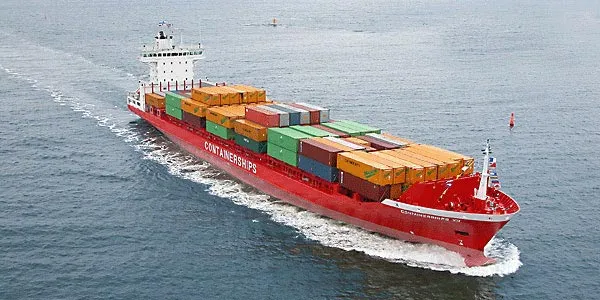
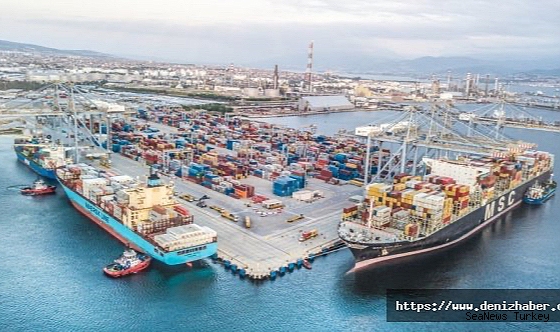
Containership emissions on EU-linked trade lanes fell in 2025 despite higher cargo volumes, but the sector's carbon recovery remains vulnerable to renewed disruption in the Red Sea, reports London's Lloyd's List.
Total CO2 emissions from boxships sailing to, from, and within Europe declined by 2.5 percent year on year, while carbon intensity per TEU fell by 6.7 percent, according to Sea-Intelligence. The consultancy noted that this improvement partly reversed the sharp deterioration observed in 2024, when emissions per TEU rose by more than 45 percent due to rerouting around the Cape of Good Hope.
In contrast, emissions from non-container vessels trading in Europe rose by 5.9 percent in 2024 and a further 3.4 percent in 2025, as indicated by EU MRV data. Sea-Intelligence stated that the Red Sea crisis amounted to an environmental 'fee' imposed on the EU by Houthi attacks.
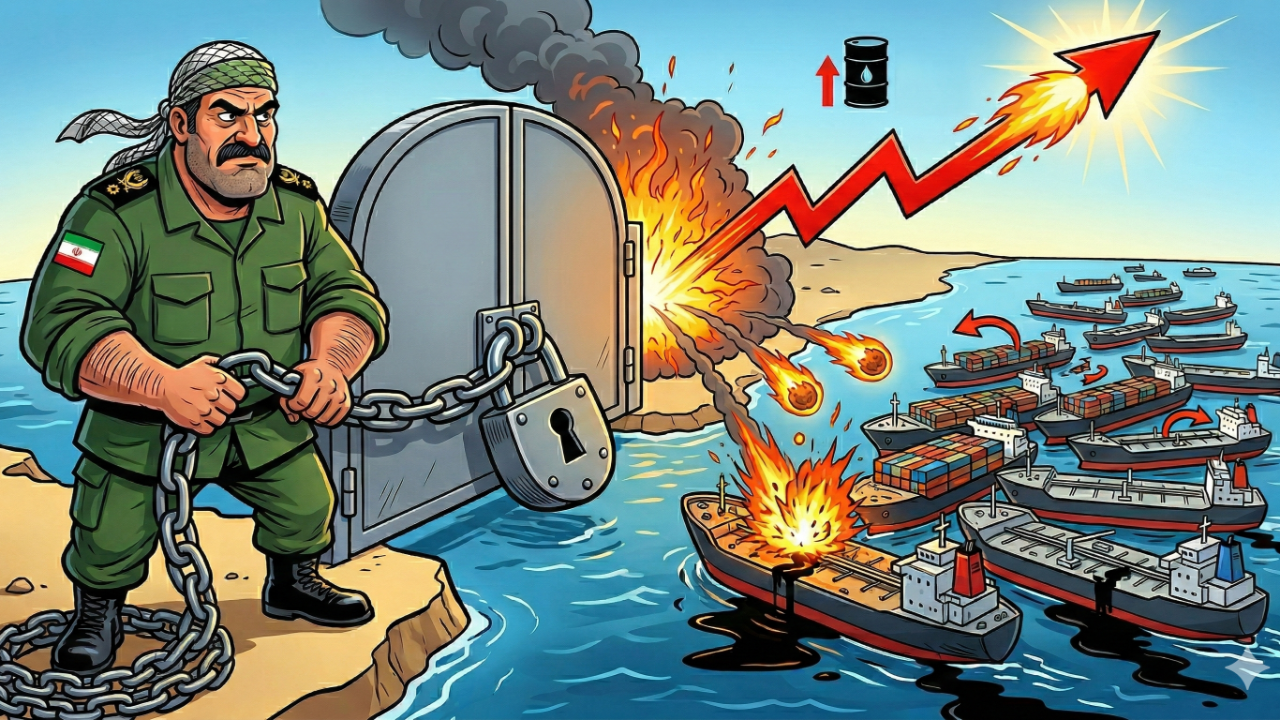
Despite signs of recovery, security risks remain. UK Maritime Trade Operations reported that a bulk carrier was attacked by armed assailants near Hodeidah on Sunday; however, the vessel and crew were reported safe. Iran-backed Houthis have targeted merchant shipping since late 2023 and last month declared Israeli ships 'legitimate military targets.'
Some carriers are cautiously returning to the region. Maersk announced on Monday that one of its Gemini Cooperation services with Hapag-Lloyd would resume Suez Canal transits, replacing the Cape route, although further adjustments depend on stability in the Red Sea.
Lloyd's List Intelligence data revealed that Bab el Mandeb transits reached their highest level in two and a half years in June, with 1,338 cargo ship passages, marking a 39 percent increase year on year but still 41 percent below pre-crisis levels. Containership tonnage rose by 52 percent to 12.6 million dwt, suggesting that larger vessels are returning.
Meanwhile, Suez Canal transits fell by 5 percent year on year to 132 vessels in June, but boxship tonnage climbed by 59 percent to 11.47 million dwt. Drewry reported that the Cape of Good Hope remains the dominant Asia-Europe route, underscoring the fragility of the Red Sea recovery.