Macron urges G7 to address China's subsidized exports, but divisions persist among allies as Beijing dismisses the initiative, reports Politico.
French President Emmanuel Macron is pressing the G7 summit in Evian to address subsidized Chinese exports disrupting global markets. However, Beijing has dismissed the initiative, and divisions remain among Western allies, reported Arlington, Virginia's Politico.
Mr. Macron chaired a video conference billed as a 'World Convergence for Growth Summit' with limited G7 participation and Chinese Vice Premier Zhang Guoqing, who reiterated Beijing's stance on multilateralism. The Elysee described the call as a success, though participants only agreed to continue discussions at the G20 with IMF support.
Economists noted that the meeting showed little progress. Agathe Demarais of the European Council on Foreign Relations pointed out that China had no interest in changing its economic model to suit the French presidency. Analysts added that Beijing's decision to send a vice premier signaled its lack of seriousness.
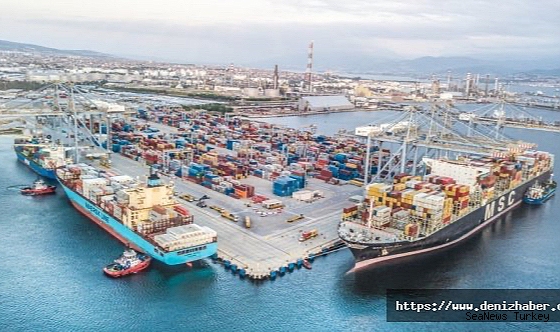
France has avoided directly criticizing China during its G7 presidency, framing talks around global imbalances. Yet, Paris remains one of the EU's strongest advocates for tougher trade measures, with the bloc's deficit with China widening to EUR360 billion last year and growing further in early 2026.
Mr. Macron has urged the EU to adopt stronger trade powers, telling workers in Amiens that tariffs and preference measures were 'fair protection.' German Chancellor Friedrich Merz, traditionally cautious, now appears more open to tougher action.
EU Trade Commissioner Maros Sefcovic has pledged to address the deficit, with leaders set to debate measures in Brussels after the G7 summit. However, transatlantic coordination remains elusive, with US Trade Representative Jamieson Greer stating that Washington will not wait for Europe to align its policies.