Egypt condemns missile attack on ADNOC tanker in Strait of Hormuz, emphasizing maritime security and regional trade stability.
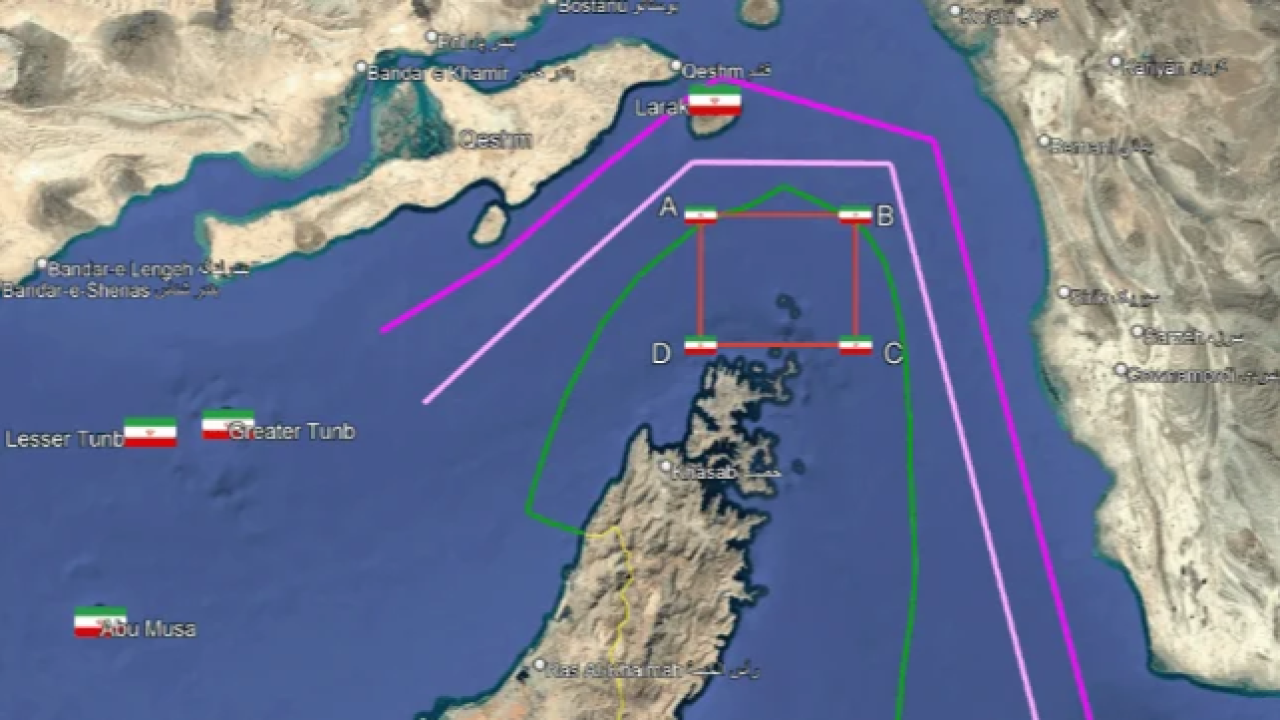
Egypt has issued a firm condemnation of a missile attack targeting an oil tanker operated by the Abu Dhabi National Oil Company (ADNOC) while the vessel transited the Strait of Hormuz.
The Egyptian Foreign Ministry described the incident as a serious threat to maritime security and to the freedom of trade through one of the world's most strategically vital waterways.
For an industry that depends on the uninterrupted movement of energy and goods, the statement carries weight well beyond diplomacy. The Strait of Hormuz remains a decisive artery for global commerce, and Egypt's intervention reinforces a shared regional commitment to protecting the routes on which world trade depends.
In its official statement, the Egyptian Foreign Ministry strongly condemned the targeting of the ADNOC-operated tanker, characterizing the missile strike as a direct threat to the safety of navigation and to the freedom of trade flowing through the strait. The ministry framed the incident not as an isolated event but as a challenge to the security of one of the most important maritime corridors in international commerce.
By anchoring its position in the principle of freedom of trade, Egypt signaled that attacks on commercial vessels endanger far more than a single ship. They place at risk the stability of supply chains that reach every market served by Gulf energy exports.
The ministry expressed Egypt's full solidarity with the United Arab Emirates and categorically rejected acts targeting vessels and civilian facilities, as well as any actions threatening the safety and security of navigation in the region.
This position reinforces the close ties between the two nations and underscores a unified stance among regional partners against threats to commercial shipping. For carriers, shippers, and freight forwarders operating in the Gulf, such solidarity matters. It reflects a coordinated diplomatic effort to preserve the conditions under which trade can continue to move safely.
Egypt stressed the need to respect freedom of navigation in international waterways and to avoid any actions that could endanger it. The principle sits at the foundation of global trade law and remains essential to the reliable movement of cargo across the world's chokepoints.
The Strait of Hormuz handles a substantial share of the world's seaborne crude oil and liquefied natural gas. Any disruption to transit through the strait carries immediate implications for freight rates, insurance premiums, routing decisions, and the reliability commitments that shippers make to their customers. Egypt's emphasis on protecting navigation rights speaks directly to those operational realities.
The ministry renewed Egypt's call for de-escalation and for political and diplomatic solutions to prevail, contributing to the restoration of regional security and stability. Egypt positioned dialogue, rather than confrontation, as the path toward safeguarding the waterways that underpin regional and global commerce.
For the maritime sector, this call reinforces a broader message: stability in the Gulf is not a background condition but a strategic necessity. Diplomatic resolution reduces the risks that translate directly into higher costs and greater uncertainty for cargo owners and their logistics partners.
The targeting of a commercial tanker in the Strait of Hormuz is a reminder that maritime security and trade flow are inseparable. When a chokepoint of this scale is threatened, the effects extend across insurance markets, vessel routing, energy pricing, and delivery reliability worldwide.
Egypt's condemnation, its solidarity with the UAE, and its call for de-escalation together reflect a coordinated regional effort to protect the freedom of navigation on which the industry depends. For shippers, freight forwarders, and maritime professionals, the message is clear: the security of the world's waterways is not a distant political concern; it is the foundation of every reliable supply chain that crosses them.