
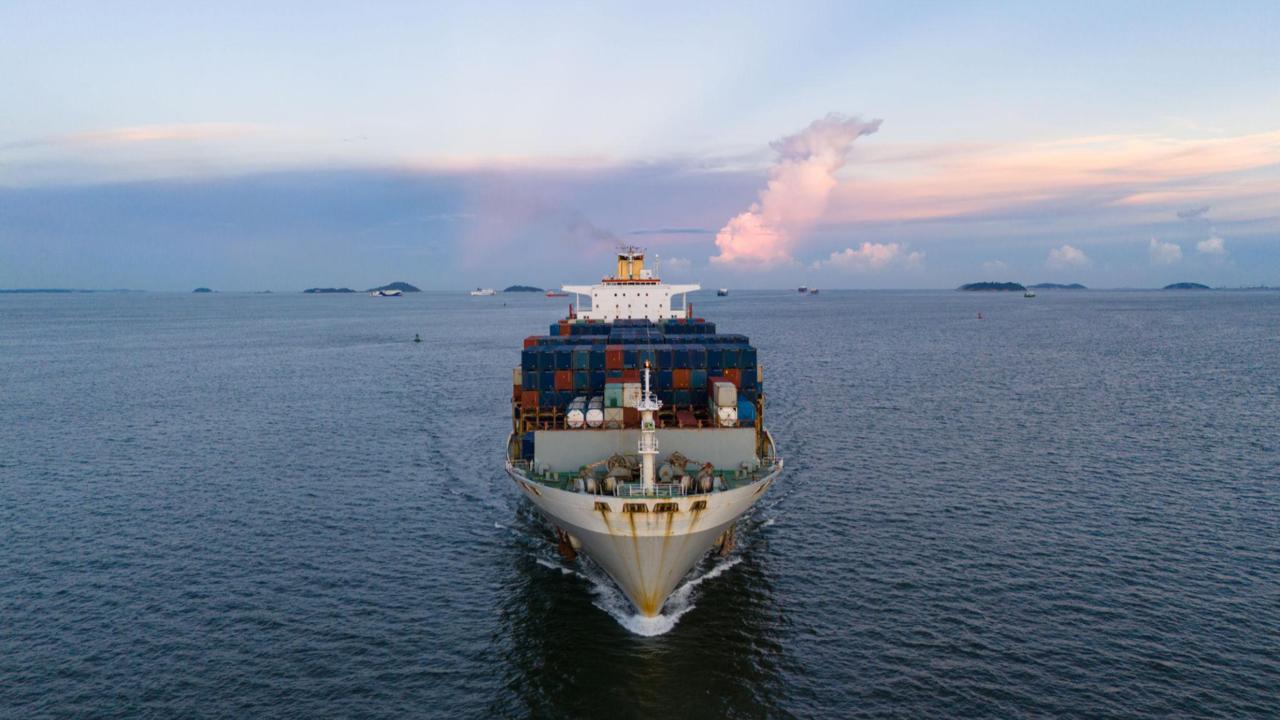
CMA CGM Galapagos successfully bypassed the congested Strait of Hormuz, reaching open waters via an alternative route amid operational challenges.
CMA CGM 'Hormuz Maneuver': Galapagos Tanker Crossed the Strait via Alternative Route
French container giant CMA CGM has carried out an extraordinary operation for its giant vessel CMA CGM Galapagos, reported to be stranded in the region with a deadweight tonnage of 154,222 DWT. Due to restrictions and congestion experienced during the transit of the Strait of Hormuz, the ship was redirected through an alternative route to exit the area.
Critical maneuver: Exit via the Iranian route
According to maritime sources, the ship was directed to a less-used route instead of the standard transit flow due to the risky and congested traffic conditions around the Strait of Hormuz. Thanks to this maneuver, the vessel completed its strait passage and reached open waters.
The passage area in question is known as the Strait of Hormuz, one of the most strategic points for global energy and container shipping.
Vessel anchored off Oman
Following the operation, it was reported that the CMA CGM Galapagos anchored off the coast of Oman. This situation is considered temporary until the ship's subsequent route planning and regional traffic coordination are completed.
CMA CGM Galapagos stands out as a critical carrier, especially on the Asia-Europe trade route, due to its capacity and scale.
Increasing geopolitical and operational pressure in Hormuz
The Strait of Hormuz is regarded as one of the choke points for global oil and container traffic. The traffic density in the region, security risks, and operational constraints are making the passage planning for large-tonnage vessels increasingly complex.
According to maritime experts, the use of such alternative routes can:
Extend transit times
Increase insurance costs
Make regional traffic management more critical
The choke points of global trade are growing
CMA CGM's maneuver is seen not only as an operational solution but also as a new indication that choke points in global maritime transport are becoming increasingly strategic and fragile.
Source: SeaNews Türkiye


