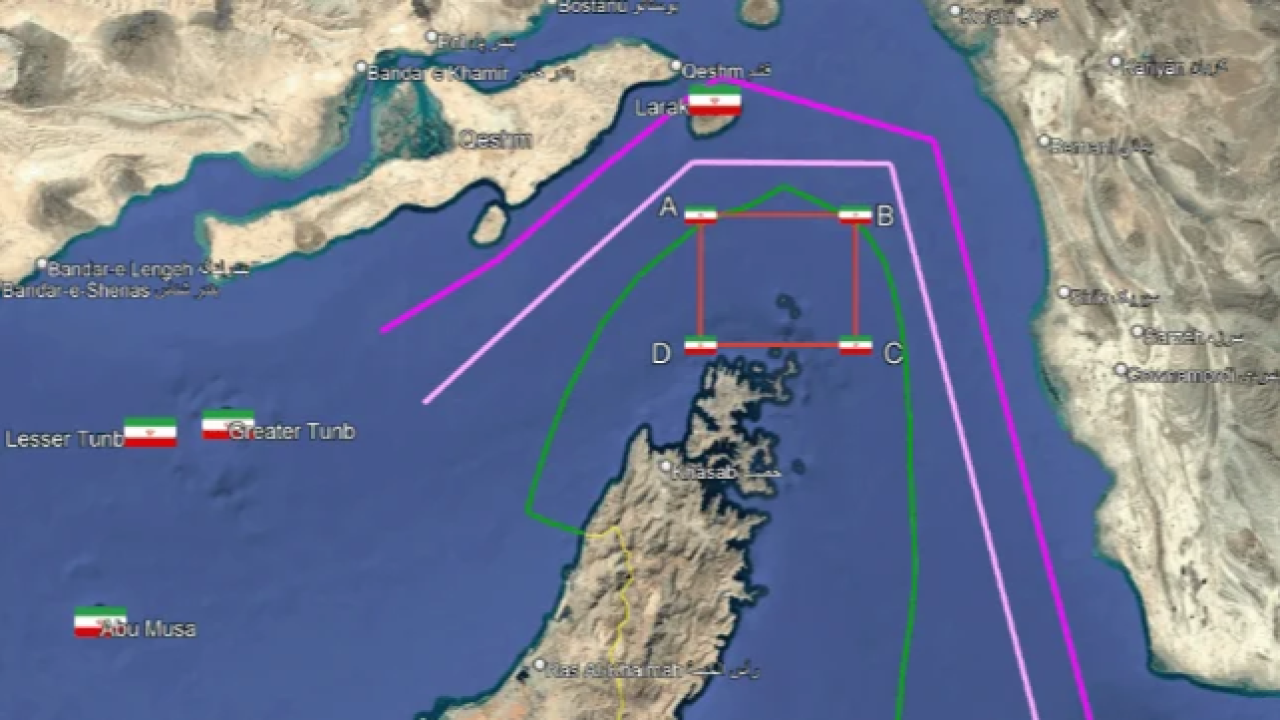
Logistics operators are establishing new truck routes across the Arabian Peninsula to maintain cargo flow amid the closure of the Strait of Hormuz.
With the Strait of Hormuz closed, logistics operators are opening new land corridors across the Arabian Peninsula to keep cargo moving, reports Fort Lauderdale's Maritime Executive.
Route 95, from Saudi Arabia's Alkwifiriah near the Qatar border to Oman's Ramlet Khelah crossing, has become a key artery. Opened in January 2023, the highway cuts travel time by 16 hours compared with older routes. Oman's Public Authority for Special Economic and Free Zones reported that goods crossing the border nearly tripled in March to US$830 million.
Cargo categories include fertilizers, construction materials, food, medicines, and machinery. Trucking firm Ramool Transportation stated that March 2026 earnings exceeded its entire 2025 revenue. A joint Saudi-Omani economic zone at Al Dhahirah is set to open next year, focusing on manufacturing.
Saudi Arabian Railways is also developing five new freight corridors linking east coast hubs with Red Sea ports, while upgrading Route 85 to Jordan and onward to Syria's Mediterranean ports.
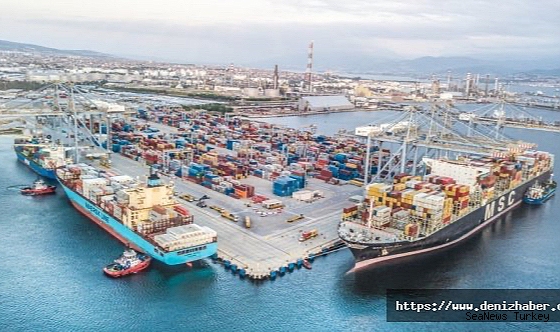
Shipping companies are combining sea and land routes. MSC is launching a service from Antwerp to Jeddah and King Abdullah Port, with onward trucking to Dammam and feeder services to Gulf ports. Hapag-Lloyd is also offering overland options via Saudi Arabia and Oman.
Challenges include shortages of trucks and drivers, as well as limited port capacity at Khor Fakkan and Fujairah compared with Jebel Ali. Sohar and Salalah are efficient but face congestion, with Salalah ranked the world's second most efficient container port in 2023. Capacity issues at these ports will take longer to resolve than trucking shortages.