Dark shipping and IRGC operations surge in the Strait of Hormuz, raising concerns over maritime security and Iranian trade activities.
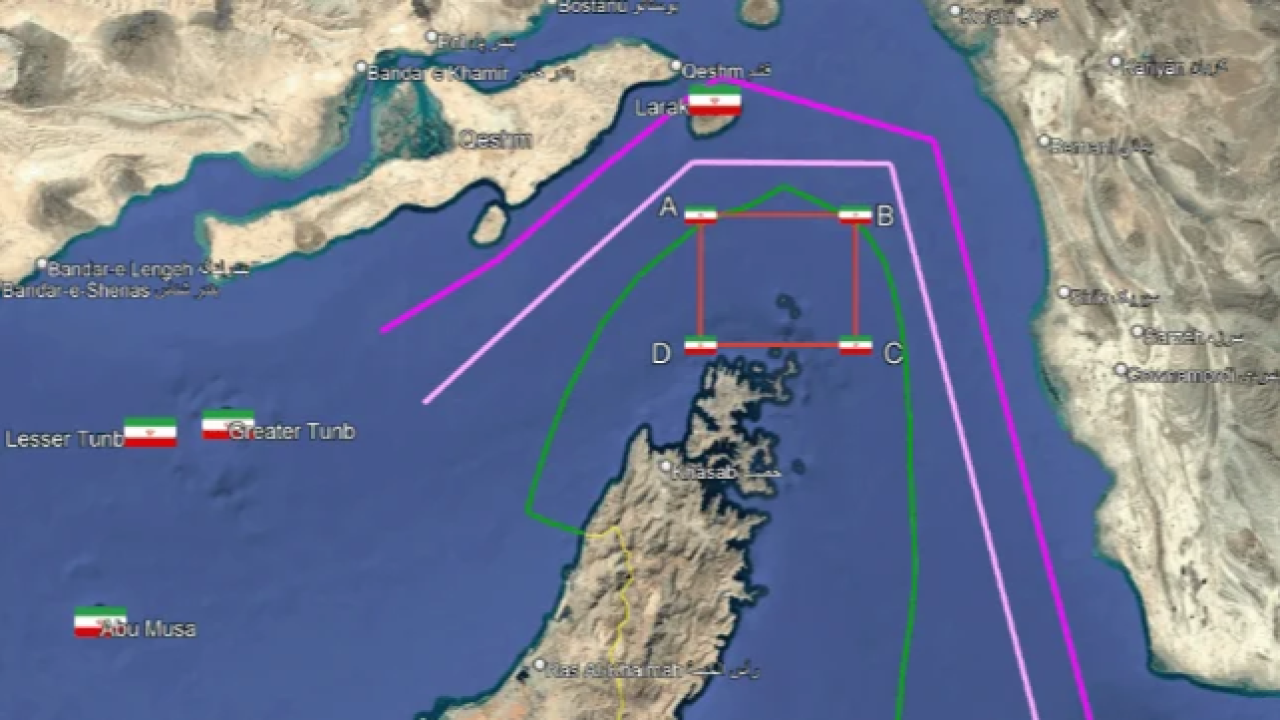
Commercial shipping through the Strait of Hormuz is increasingly operating under dark or emissions-controlled conditions, reported Copenhagen's Windward.
IRGC fast craft activity has expanded across both corridors, while US enforcement and piracy risks add to the deteriorating environment.
Windward observed multiple clusters of IRGC fast craft between May 7 and May 11, including formations of more than 80 vessels. Some commercial ships were seen transiting with high-speed craft in formation, suggesting escort or pressure tactics. Civilian-looking dhows were also noted operating alongside tankers.
Dark tanker traffic continues to expand. On May 11, nine commercial tanker transits were identified, including Panama- and Cameroon-flagged vessels linked to Iranian trade flows. Ship-to-ship transfers and prolonged dark anchorage periods near Larak and Chabahar suggest covert export staging.
Qatar LNG traffic resumed for the first time since February, with AL Kharaityat transiting Hormuz on May 9 under controlled conditions. Two other Qatar-linked LNG vessels remain idled after earlier IRGC turnbacks.
Iranian crude exports appear increasingly strained. No confirmed departures were observed from Kharg Island after May 7, while queues of dark tankers expanded across Iranian waters. Satellite imagery on May 10 identified 21 dark tankers, including 12 VLCCs, with Chabahar emerging as a buffer node outside Hormuz.
US forces disabled two additional Iran-linked tankers following earlier interdictions, while Iran seized the sanctioned tanker Jin Li in a move seen as strategic signaling. Piracy risks also remain elevated off Somalia, with hijacked vessels still positioned near the coast.