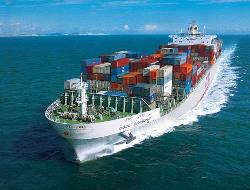
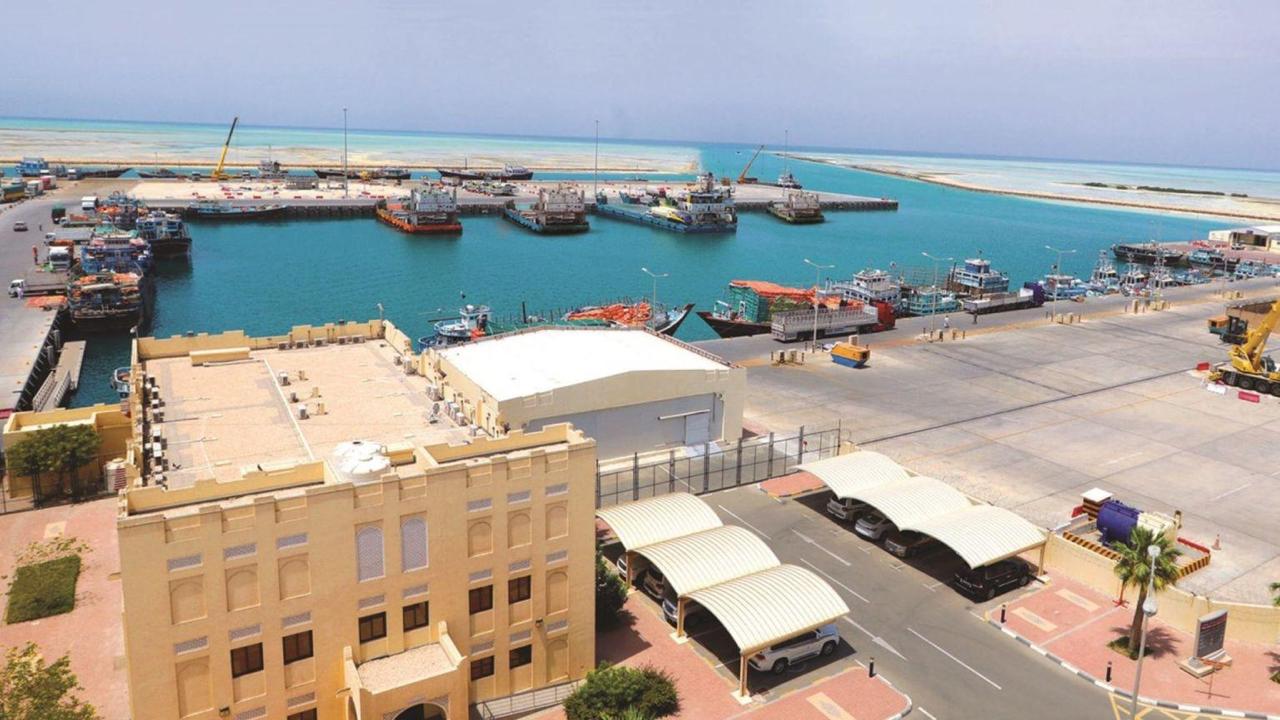
In 2025, major ports worldwide demonstrated strong container throughput despite geopolitical tensions, with Shanghai leading the rankings.
Container throughput at the world's largest ports in 2025 showed resilience despite geopolitical disruptions in the Middle East, reported the American Journal of Transportation.
Shanghai led the global rankings with more than 55 million TEU, followed by Singapore at 44 million TEU and Ningbo-Zhoushan at 43 million TEU. The Port of Los Angeles, the largest in the United States, handled 10.24 million TEU, a figure smaller than the gap between Shanghai and its nearest rivals.
Nine of the top ten container ports were located in Asia, with six in China. The UAE's Port of Jebel Ali ranked ninth, while Rotterdam was the first European port on the list with 14.2 million TEU.
European ports faced erratic flows due to the Middle East conflict, US tariff policies, and de-risking from China. Rotterdam remained Europe's hub with 14.2 million TEU, while Antwerp-Bruges posted 13.63 million TEU. Hamburg ranked 26th with 2.3 million TEU, though US volumes fell by 25.6 percent.
Mediterranean ports also posted strong volumes in 2025. Tanger Med in Morocco handled over 11 million TEU, while Valencia managed 5.7 million TEU and Egypt's Port of Said 5.57 million TEU.
In North America, Los Angeles and Long Beach remained dominant, while New York/New Jersey and Savannah benefited from shifting volumes to the US East Coast. Houston continued to grow with 4.3 million TEU. Canada's Vancouver handled 3.78 million TEU, while Montreal posted 1.52 million TEU.
Mexico's Manzanillo ranked 53rd with 3.89 million TEU, Lazaro Cardenas 80th with 2.16 million TEU, and Veracruz 95th with 1.3 million TEU. Panama's Colon and Balboa ports collectively reinforced their role as key hubs for US Gulf and East Coast trade.