
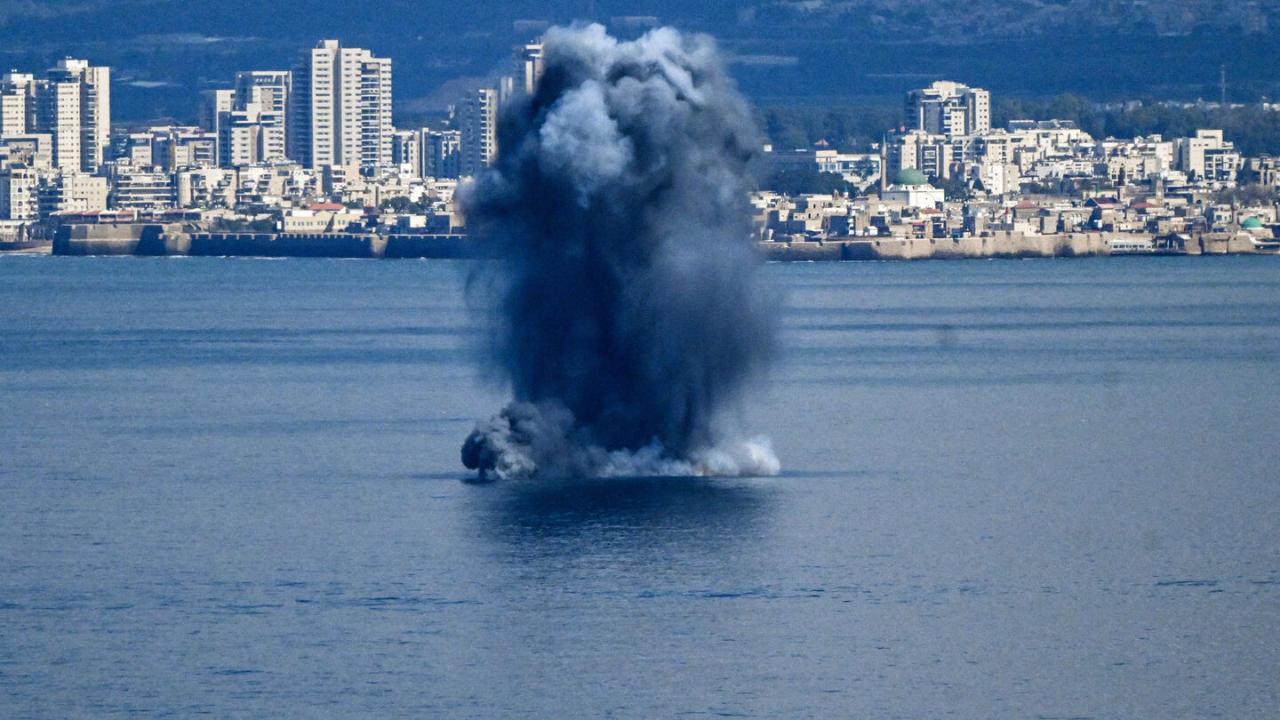
US and Israel's strikes on Iran heighten Middle East tensions, jeopardizing global maritime trade routes and driving up insurance costs.
Background of the Hot Conflicts
The long-standing tensions in the Middle East, driven by proxy forces, have entered a new and destructive phase with the direct attacks launched by the United States and Israel on Iran's critical military facilities. These coordinated operations targeting strategic points within Iran, ballistic missile bases, and military infrastructure have officially ignited the fuse of a regional war. With Iran's vows of retaliation and its military capacity in the Persian Gulf being fully mobilized, the scale of land conflicts has rapidly spilled over into the seas. This hot military activity has placed the world's busiest energy and trade routes directly at the center of conflict.
Urgent Warning from Greece: Stay Away from the Region
The first major impact of the war on maritime trade routes was felt in Greece, which possesses one of the largest commercial shipping fleets in the world. The Greek Ministry of Shipping sent an urgent directive to shipowners and captains, advising them to absolutely avoid the Persian Gulf, Gulf of Oman, Strait of Hormuz, and the Northern Arabian Sea. The official warning highlighted the possibility of the crisis spilling over into the Red Sea and Gulf of Aden, ordering Greek-flagged vessels to remain vigilant against potential missile, drone attacks, and port sabotage.
Acute Shock in the Global Supply Chain
The conflict's jeopardizing of the Strait of Hormuz, the lifeline of global oil shipments, has led to unprecedented panic in the maritime sector. Major shipping companies have once again been forced to change their routes to protect their assets. With the effective closure of the Persian Gulf following the Suez Canal, ships are being redirected to the Cape of Good Hope, south of Africa. This move, which extends sailing times by weeks, has driven fuel consumption and freight costs to astronomical levels, heralding a new inflation shock in global markets.
Soaring Insurance Premiums and Asymmetric Threats
One of the hardest blows the war has dealt to the maritime sector is being felt in the insurance markets. War risk insurance premiums for ships that must pass through or are trapped in conflict zones have reached unsustainable record levels. The possibilities of asymmetric attacks using kamikaze drones, sea mines, and explosive-laden autonomous boats have maximized the risk of total loss for vessels. While many global insurance companies have completely halted coverage for the region, those that continue to issue policies are demanding daily additional fees amounting to a significant percentage of the ship's value.
Electronic Warfare and the Crew's Struggle for Survival
The intense military activity in the region has left commercial vessels facing not only physical damage but also invisible dangers. Extensive GPS blackouts, signal jamming, and electronic interference with navigation systems have increased the risk of massive commercial ships encountering accidents or running aground in narrow and dangerous waters. The forced shutdown of ships' automatic identification systems (AIS) to navigate 'in the dark' further exacerbates the chaos in the sector. As the safety of crew members aboard these vessels is completely compromised amid this firestorm, shipping companies are experiencing a historic crisis in finding personnel willing to operate in these perilous waters.
Source: SeaNews Türkiye


