The US Coast Guard has lifted entry conditions for Nigerian vessels, enhancing Nigeria's maritime security status and boosting international shipping.
The United States Coast Guard has formally announced the removal of conditions of entry that have applied to vessels arriving from Nigeria for the past twelve years, simultaneously striking the Federal Republic of Nigeria from the Port Security Advisory list.
First imposed in 2014 in response to maritime security concerns, the measures had subjected Nigeria-originating vessels bound for American ports to enhanced security screening requirements.
The decision to lift these restrictions follows multiple rounds of assessment by the US Coast Guard, through which authorities confirmed that Nigeria's maritime security framework has undergone substantial and sustained improvement. The formal notice rescinding the conditions of entry for Nigeria-originating vessels was published in the Federal Register - the official journal of the United States federal government - on 19 August 2026, with the policy taking effect immediately upon publication. The announcement marks the definitive end of the enhanced oversight regime that has governed Nigerian-flagged and Nigeria-originating vessels calling at US ports since 2014.
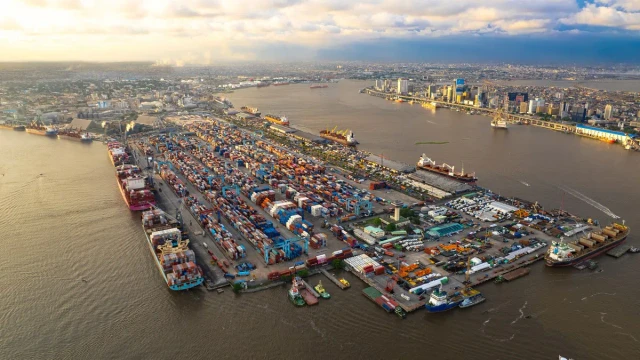
The removal of these long-standing restrictions is broadly expected to strengthen Nigeria's attractiveness to international shipping operators, with analysts anticipating a corresponding increase in shipping activity, trade volumes, and investment flows through Nigerian port facilities. The development equally represents formal international recognition of Nigeria's progress in port security governance, reinforcing the country's positioning as a leading regional maritime hub.
Nigeria's Minister of Marine and Blue Economy, Adegboyega Oyetola, announced the milestone publicly, characterising the achievement as a defining moment for the country's maritime sector. The Minister noted that the outcome stands as compelling evidence of Nigeria's measurable advances in maritime security enforcement and the comprehensive implementation of the International Ship and Port Facility Security Code across its ports and facilities nationwide. He acknowledged the sustained collaborative engagement of domestic regulatory authorities and relevant stakeholders, and underscored that the development will strengthen port competitiveness, improve vessel turnaround efficiency and schedule reliability, reduce operational costs, and further consolidate Nigeria's standing within the global maritime economy. The Minister affirmed his expectation that Nigeria will continue to establish itself as a safe, reliable, and competitively positioned destination for international shipping.