The Panama Canal Authority increases transit capacity and restores Neopanamax draft to 49 feet, enhancing global trade conditions.
The Panama Canal Authority has announced key operational updates to increase transit capacity and restore draft limits for Neopanamax vessels, signaling improved conditions for global trade. Effective October 15, daily transits through the Neopanamax locks will rise from nine to ten, bringing total daily capacity across both lock systems to 33 vessels. Additionally, the maximum authorized draft for Neopanamax vessels has been restored to 49 feet, reversing prior restrictions that had reduced it to 48 feet.
These changes reflect improving water levels in the Gatun Lake watershed, supported by recent rainfall and ongoing water conservation measures. However, the Authority cautions that water resource challenges persist, and operating conditions will be adjusted as needed based on rainfall and hydrological factors.
The updated schedule allows for 10 daily transits through the Neopanamax locks and 23 through the Panamax locks, resulting in a total capacity of 33 vessels per day. This increase of one additional Neopanamax slot marks a step forward from September restrictions, which had limited Neopanamax slots due to lower water levels. The adjustments align with rainfall returning to near-average levels while maintaining a focus on operational efficiency.
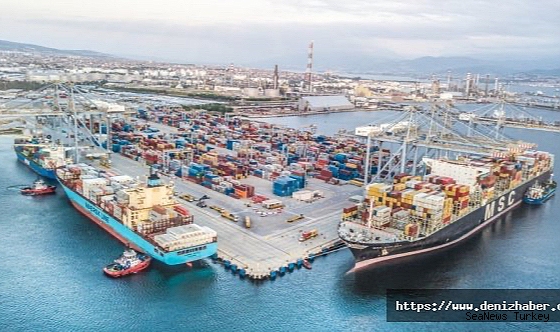
Equally significant is the restoration of the Neopanamax draft limit to 49 feet, effective immediately. Draft restrictions determine how deeply a vessel can sit in the water, directly impacting cargo capacity for large containerships and deep-draft vessels like LNG carriers. With the previous 48-foot restriction, container ships could lose up to 450 TEUs of cargo capacity per foot of draft reduction, depending on vessel design. Restoring the 49-foot limit allows ships to operate closer to their full loading capacity, improving efficiency and cost-effectiveness.
The Panama Canal is a critical link connecting Asia with U.S. East and Gulf Coast markets. Previous draft restrictions led to temporary routing adjustments for container services, impacting ports such as New York/New Jersey, Savannah, Charleston, and Houston. The recent updates provide a more stable operating environment for shippers and logistics operators, enabling better planning for vessel schedules and capacity.
While these measures improve canal operations, congestion risks remain. Unreserved vessels still face delays, and future adjustments will depend on rainfall and Gatun Lake levels. These changes mark progress but remain part of a broader effort to manage the canal’s long-term operational challenges.