
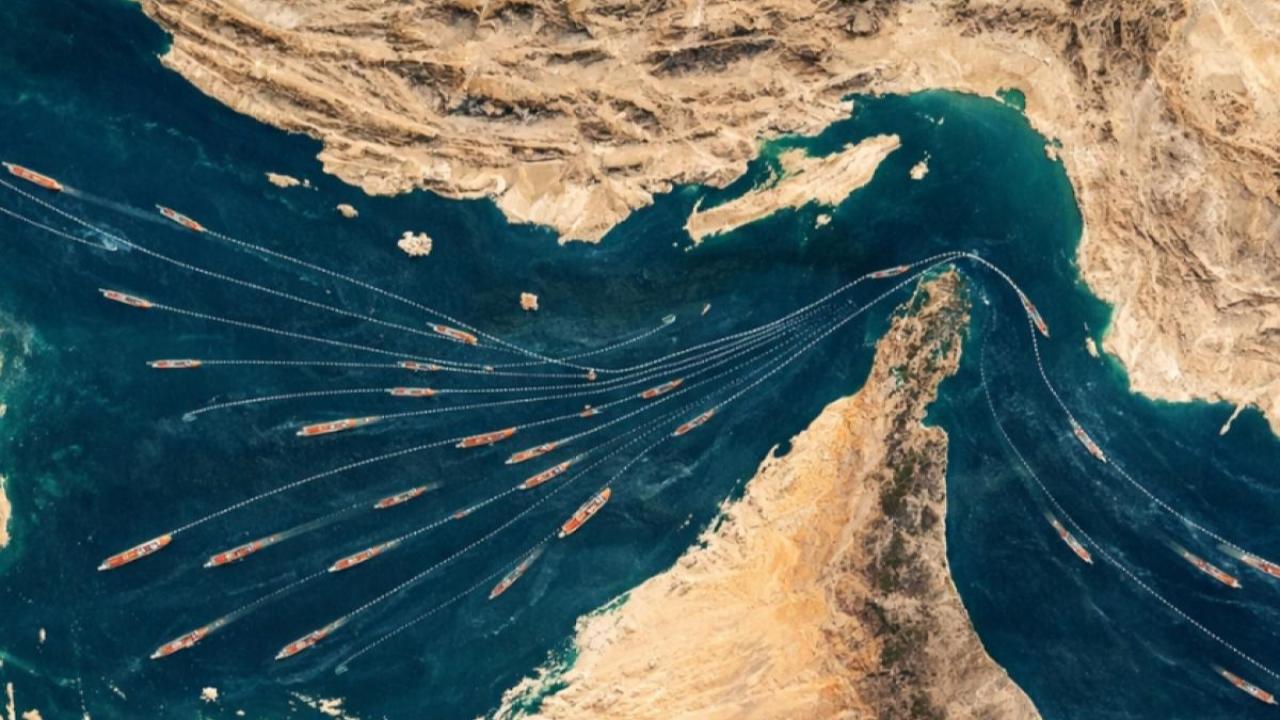
US and Iran escalate tensions in the Strait of Hormuz with retaliatory strikes, raising concerns over a fragile ceasefire and regional stability.
Tensions Rise Again in the Strait of Hormuz
As tensions between the United States and Iran regarding the control of the Strait of Hormuz escalate once more, mutual attacks by the parties have raised concerns about the future of the ceasefire agreement that came into effect just three weeks ago.
The tension began with Iran's attacks on commercial vessels linked to the Gulf Cooperation Council countries. The U.S. Central Command's Joint Maritime Information Center confirmed a total of three attacks targeting two oil tankers and an LNG carrier on Monday and Tuesday. The center also reported that the Iranian Revolutionary Guards continued to closely monitor commercial vessels through drone operations, target surveillance missions, and maintaining military presence.
Comprehensive Retaliation from the U.S.
Following the attacks, the U.S. administration announced new sanctions and military measures. The exemption from sanctions on Iranian oil exports was lifted, and U.S. President Donald Trump ordered new airstrikes on military targets in Iran.
The U.S. Central Command announced that a total of 80 targets were struck as part of the operation, including air defense systems, coastal radar facilities, anti-ship missile batteries, and approximately 60 Revolutionary Guards attack boats around the Strait of Hormuz.
Retaliation Statement from Iran
Iran announced that it would retaliate against 85 U.S. military targets in the region. The statement identified the U.S. Fifth Fleet base in Bahrain and Ali al-Salem Air Base in Kuwait as primary targets. The Iranian Revolutionary Guards also claimed to have shot down an MQ-9 Reaper type U.S. drone.
Market Unease
The rising tensions have also affected energy markets. Brent crude prices rose by approximately 3% during the day, while U.S. crude oil futures saw increases of up to 6%. Global stock markets experienced selling pressure.
With the U.S. lifting the exemption on Iranian oil sanctions as of July 7, a 10-day transition period was granted for the completion of previously approved transactions. During this period, payments were required to be made to blocked accounts in the U.S.
Markets are also closely monitoring the fate of millions of barrels of oil that Iran is currently dispatching. Industry sources indicate that dozens of tankers are at sea and that Iran has recently conducted significant crude oil exports.
Uncertainty Surrounds Peace Talks
Recent developments have increased doubts about the future of ongoing peace negotiations between the parties. The U.S. administration stated that diplomatic contacts are continuing, while Iran expressed that discussions were paused due to the funeral ceremonies of its religious leader.
Dispute Over Authority in the Strait of Hormuz
Iran reiterated through state media its claims that it holds the authority over the control of the Strait of Hormuz. In a letter sent to the International Maritime Organization, the Tehran administration argued that regulating ship traffic in the parts of the strait that pass through its territorial waters is a sovereign right.
In this context, Iran announced that it plans to monitor transit through the strait via the 'Strait of Hormuz Authority,' which it recently established. Officials signaled that new regulations could be introduced in the future, including mandatory insurance for ships and the use of specific navigation corridors.
Source: SeaNews Türkiye


