
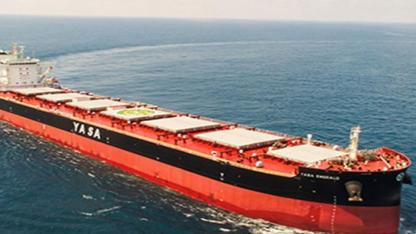
Traffic in the Strait of Hormuz rises as oil and LNG shipments increase, with tanker freight rates reaching record levels, according to Windward data.
Traffic in the Strait of Hormuz is Recovering: Oil and LNG Shipments Accelerate
STRAIT OF HORMUZ – Maritime traffic in the Strait of Hormuz, one of the most critical transit points for global energy trade, is showing signs of revival with the implementation of official plans for outward-bound transits. According to assessments by maritime data company Windward, the daily number of ship passages has significantly increased compared to recent weeks.
Data indicates that on June 23, a total of 31 passages across all ship classes were recorded. However, experts note that it is difficult to make definitive assessments due to many vessels operating in the region turning off their Automatic Identification System (AIS) signals and implementing radio silence.
In light of current data, Windward estimates that the daily traffic volume in the strait has reached approximately 35 to 40 vessels. This figure represents nearly a threefold increase compared to a few weeks ago, while still being only a quarter of the volume seen before the conflict.
New Corridor Used Due to Mine Concerns
The company has observed that some vessels are using a new 'central corridor' that extends between the coasts of Oman and Iran, outside of the traditional Traffic Separation Scheme (TSS). It is reported that alternative routes are preferred due to security risks in the region.
Claims regarding the presence of approximately 80 naval mines in areas extending to unknown points in the central region of the TSS remain a topic of discussion, while Iranian authorities have warned vessels to stay away from this area.
Billions of Dollars in Profit Potential for Iran
Iran is among the countries benefiting the most from the strait remaining open. According to Windward and Vortexa data, Iran currently has 17 tankers carrying approximately 15 million barrels of oil.
Considering market prices, the total value of these shipments is estimated to be around 1.1 billion dollars. Eight of the tankers are currently located outside Iranian territorial waters, while seven more are expected to pass through the Strait of Hormuz in the near future.
Analysts suggest that this revenue potential may have influenced the Tehran administration's decision not to fully implement the closure of the strait announced on June 21. Experts believe that a complete closure of the strait could trigger new conflicts and lead to the re-emergence of U.S.-led sanctions and naval blockades.
Qatar Increases LNG Exports Again
Another country positively affected by the developments is Qatar. It has been reported that activities at the Ras Laffan terminals, the country’s LNG production and export hub, have been accelerated.
At least seven LNG carriers are said to be heading eastward, passing through the Strait of Hormuz to reach QatarGas loading terminals.
Tanker Freight Rates at Record Levels
The activity in the region has also increased demand for crude oil tankers. It is reported that new charter agreements for Very Large Crude Carriers (VLCC) are being made at very high freight rates.
According to Marhelm Data, a VLCC voyage from the Gulf to India was booked at a level of 897 Worldscale on Wednesday. This rate corresponds to nearly nine times the base price and has been recorded as the highest level of the year.
Oil Prices Declined
Expectations for a normalization of supply in the markets have also reflected on oil prices. The price of Brent crude oil fell to around 73 dollars on Wednesday, a decrease of approximately 5 percent. Thus, prices are approaching pre-conflict levels, while they are about 25 percent lower than the peaks seen in April.
Sparta Commodities Analyst Neil Crosby stated that a significant amount of physical oil supply could re-enter the market in the region, expressing that a surplus of supply has emerged in the short term due to demand not recovering at the same pace.
Experts assess that if normalization in the Strait of Hormuz continues, price pressures in global energy markets may persist, and a new period of activity in oil and LNG exports could begin.
Source: SeaNews Türkiye


