
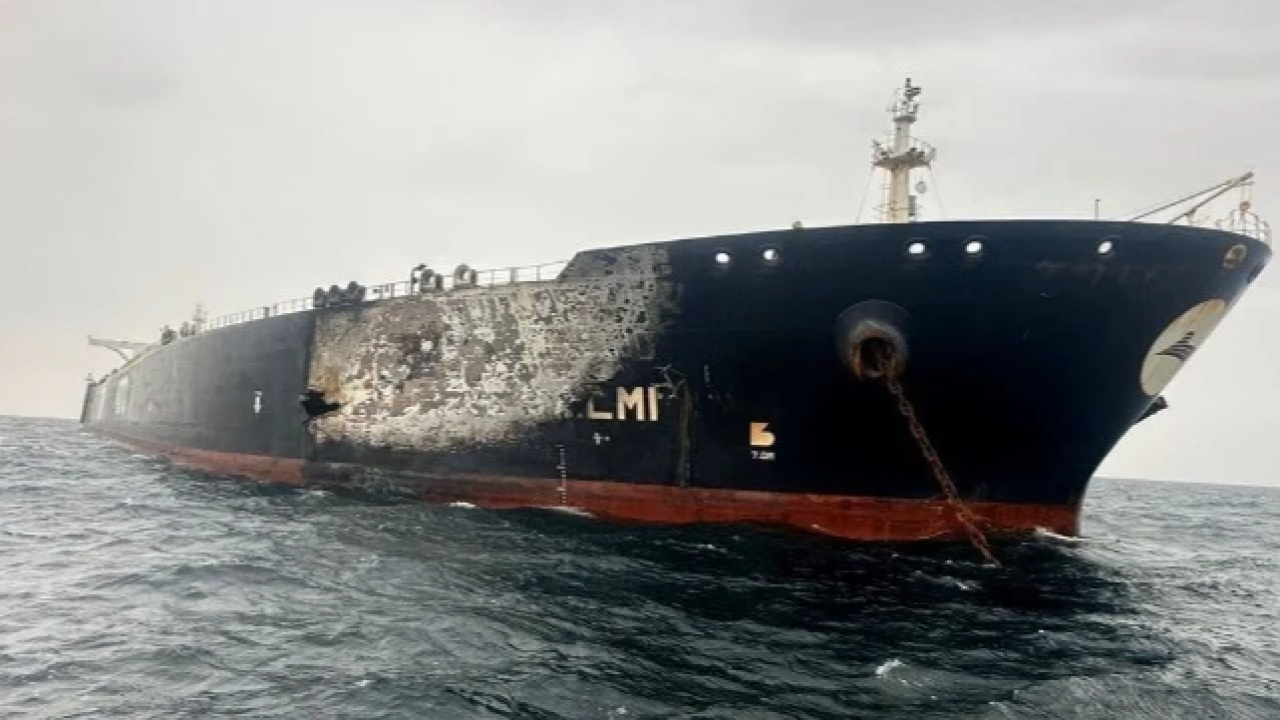
US-Iran tensions and a new Navy blockade threaten oil supply, with analysts predicting a significant reduction in global production.
Following the collapse of talks between the U.S. and Iran last weekend and reports of a new U.S. Navy blockade in the Strait of Hormuz, oil markets are reshaping in response to the possibility of a longer-term supply constraint.
While the June futures price of Brent crude continues to stay below $100 per barrel, a contraction in physical oil shipments is noteworthy. With the last tankers departing the Gulf before the conflicts completed their deliveries, it is indicated that a new supply gap could emerge in the global market.
8 Million Barrels of Daily Production Suspended
Energy analysts emphasize that markets may have to adapt to a reality of 10 to 15 percent lower oil supply for some time. Three key conditions stand out for normalization:
1. Establishing a lasting security arrangement in the Strait of Hormuz that satisfies shipowners.
2. Empty tankers reaching Gulf loading terminals again.
3. The reopening of shut-in wells in Iraq, Kuwait, the UAE, and Saudi Arabia.
Due to limited land storage capacity in Gulf Cooperation Council countries, it is stated that it is not possible to restart production before empty tankers reach loading terminals.
According to OPEC data, approximately 8 million barrels per day of production is currently halted. Experts indicate that even if a peace agreement is signed between the U.S. and Iran, a return to full capacity could take months.
Countries Taking Different Measures
Different policies have been implemented globally against supply tightness. While Sri Lanka and Thailand focus on demand-reducing measures, European countries are cutting fuel taxes. China is imposing export restrictions on certain oil products.
The International Energy Agency (IEA), the World Bank, and the International Monetary Fund (IMF) have called on governments not to further tighten the market with export bans.
Speaking at an event organized by the Atlantic Council, IMF President Kristalina Georgieva stated, 'The first principle should be to avoid resorting to export controls that exacerbate the imbalance.'
IEA Ready for New Reserve Release
IEA President Fatih Birol stated in an interview with Reuters that the organization is ready to make additional releases from its strategic oil reserves.
The IEA had previously approved a coordinated release of 400 million barrels. However, experts point out that delivering additional oil to the global market may take time due to limitations in storage, logistics, and distribution infrastructure.
Source: SeaNews Türkiye


