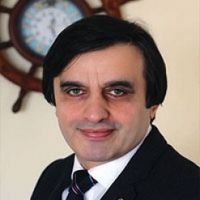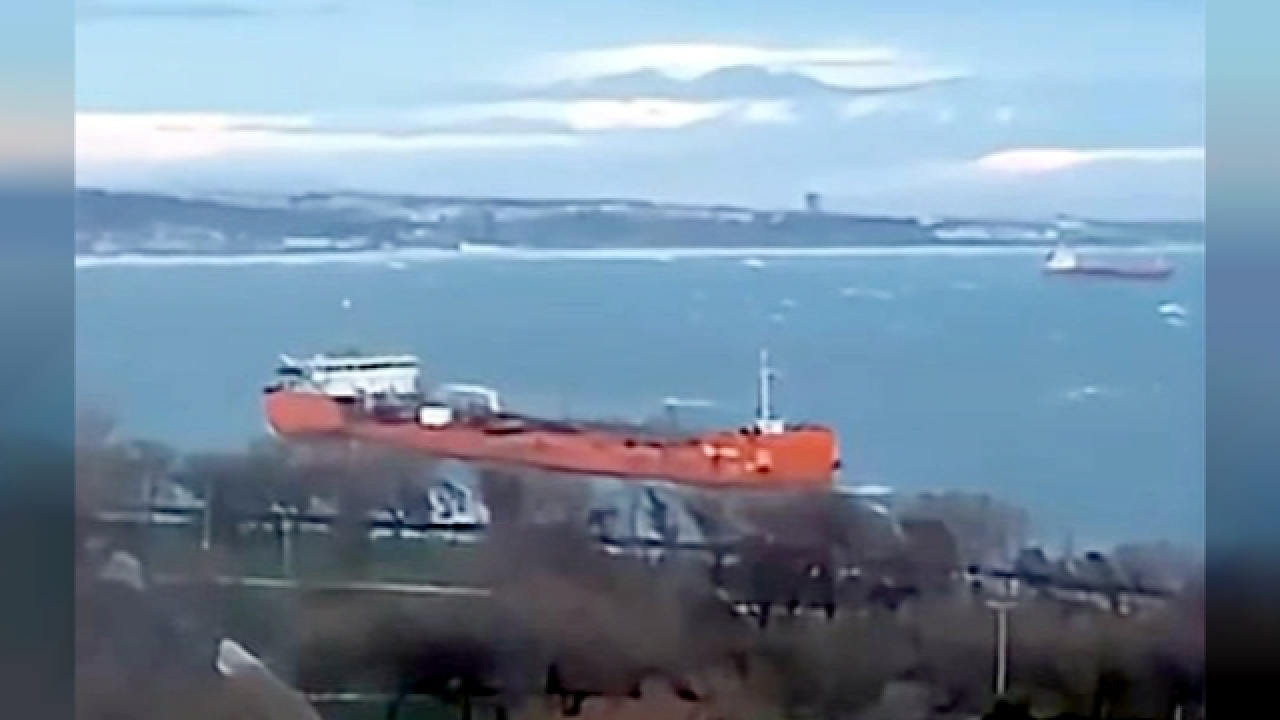

Captain Mohit Kohli shares his harrowing experiences in the Strait of Hormuz, where missile threats and drones turned commercial shipping into a gamble.
Captain Mohit Kohli described how they coped with missile threats, drones, misinformation, and fear during a time when the Strait of Hormuz had effectively turned into a battlefield and commercial vessels were caught seriously unprepared.
Kohli noted that seafarers are trained to deal with risks such as storms, operational disruptions, accidents, injuries, machinery failures, and occasionally piracy, but emphasized that no training guide prepares one for a trade route suddenly turning into a war zone.
"As a captain, I faced the greatest test of my career during the period when the Strait of Hormuz was effectively closed. My ship was stranded in the Persian Gulf. Due to missile attacks, drone activity, and an unstable security environment, even ordinary navigation had turned into a daily gamble," he said.
"The horizon was no longer just the sea and sky."
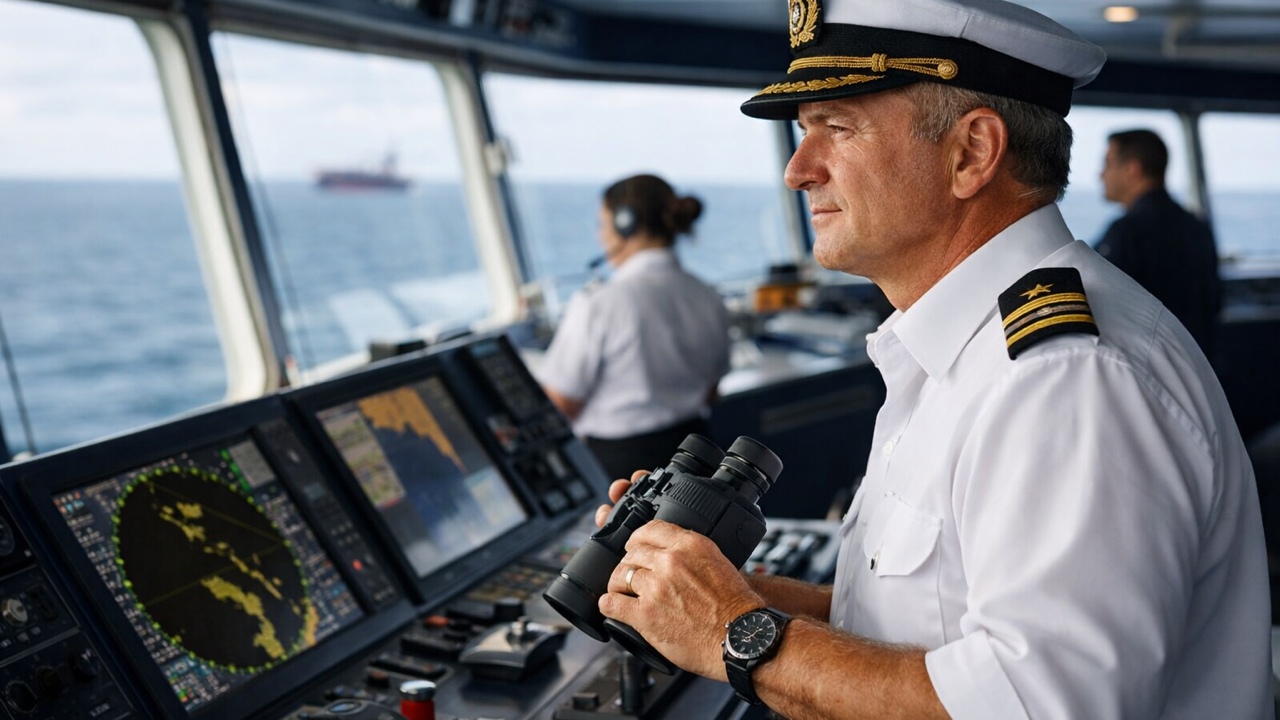
Kohli expressed that when looking from the bridge, the view was no longer just the sea and sky:
"The horizon had turned into a stage of uncertainty. Missile activities were observed in nearby areas, drones were moving erratically, and every radar signal raised suspicion. We were facing threats we had never encountered before."
The experienced captain stated that commercial shipping is based on predictability; however, they found themselves in advanced war scenarios without any preparation, drills, or precedents.
"I had to make decisions on my own."
Kohli pointed out that the lack of adequate support from the shore further complicated the crisis, noting that most of the incoming guidance consisted of routine updates regarding fuel, water, and food supplies.
"The reality was harsh. I had to make decisions on my own. The responsibility for the ship, the cargo, and the crew rested entirely on my shoulders," Kohli stated, adding that the bridge had become not only a command center but also a refuge where leadership was tested.
AI-generated fake videos amplified panic.
Kohli reported that during the crisis, they were not only fighting external threats but also a wave of misinformation, noting that fake news from social media and videos produced by artificial intelligence increased fear among the crew.
He expressed that rumors and unverified news about impending attacks posed serious risks in terms of discipline, emphasizing that as a captain, it was vital to distinguish fact from rumor and keep the crew calm.
"Human resources became the most critical element."
Kohli highlighted that human resources were the most valuable asset during this process, listing the measures they implemented:
Unnecessary maintenance activities were reduced to minimize the risk of injury and conserve energy.
Personnel were redirected from routine tasks to emergency preparedness.
The physical and mental resilience of the crew was prioritized for critical operations.
All decisions were evaluated with a life-first approach.
Leadership became central to crisis management.
According to Kohli, leadership during a crisis meant motivating the crew despite fear, balancing between panic and alertness, and ensuring transparent communication.
The experienced captain stated, "We had to ensure that the crew trusted the chain of command. Emotional intelligence, empathy, and consistency became our strongest tools during this process."
Despite his 25 years of maritime experience, Kohli expressed that such an environment was entirely different, saying, "I had to demonstrate confidence in an environment where the only constant was uncertainty."
"The maritime sector must prepare for new threats."
Kohli pointed out that the events in the Persian Gulf revealed a significant gap in the maritime sector, stating that current training systems still predominantly focus on traditional risks.
Reminding that commercial captains are now operating in geopolitical crisis areas, Kohli asserted that the sector needs to acknowledge new realities such as security threats, misinformation, and inadequate shore support.
"We need new frameworks that prepare captains and crews not only for storms or machinery failures but also for the psychological and operational challenges of navigating in conflict zones," Kohli concluded his remarks by stating, "When the next strait or trade route is closed and the horizon is once again filled with drones and missiles, leadership alone should not be the only line of defense."
Source: SeaNews Türkiye