
U.S. military actions halt Venezuelan oil exports, creating turmoil in the global tanker market amid ongoing sanctions.
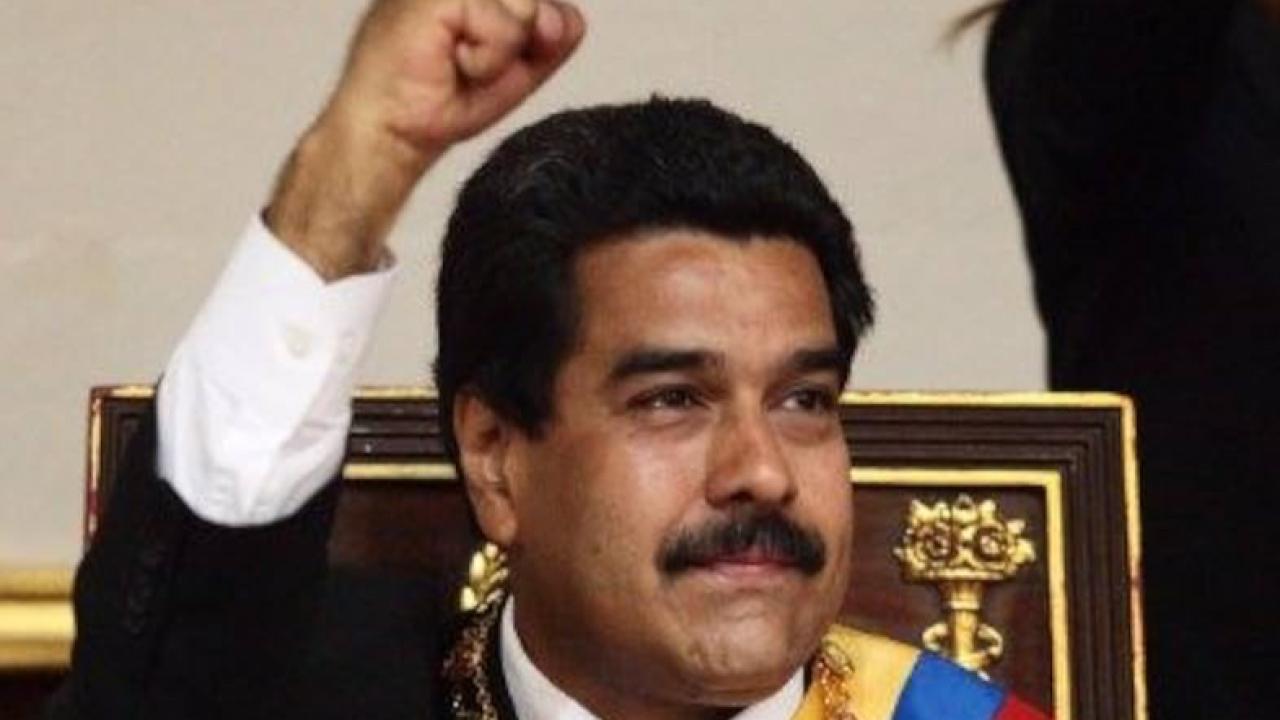
Following the significant operation carried out by the U.S. military that led to the arrest of Venezuelan President Nicolás Maduro over the weekend, the global tanker market has entered a new period of uncertainty. This development effectively halts Venezuela's oil exports while further strengthening Washington's stringent sanctions policy in the maritime sector.
In statements made after the operation, U.S. President Donald Trump emphasized that the U.S. places special importance on revitalizing Venezuela's collapsed oil industry and aims to manage this process 'for now.' However, Trump clearly stated that the embargo on Venezuelan crude oil remains fully in effect, indicating that the lifting of sanctions is not on the agenda in the near term. He claimed that major U.S. oil companies would invest billions of dollars to improve infrastructure in Venezuela.
This approach was also supported by U.S. Secretary of State Marco Rubio. Describing the current policy as a 'petroleum quarantine,' Rubio stated, 'This quarantine will serve as a strong pressure tool until changes are seen that will lead to a better future for the Venezuelan people, not just for U.S. national interests.' Rubio noted that the restrictions on maritime and tanker traffic are also linked to the fight against drug trafficking.
The impact of these developments on the maritime sector has been swift and severe. Venezuela's crude oil exports, already operating under sanctions, have nearly come to a complete halt. Port officials speaking to Reuters reported that no requests for departure permits have been received from tankers that completed loading, while vessel tracking data revealed that tankers either remained idle at the dock or departed empty from Venezuelan ports.
Even Chevron-affiliated tankers operating under special licenses from the U.S. have ceased movement. TankerTrackers.com highlighted the extent of the shutdown by reporting that not a single tanker loaded at Jose Port, Venezuela's largest crude oil terminal.
The tanker blockade has further intensified pressure on the state oil company PDVSA. As storage tanks fill up, the company has begun to implement production cuts. According to Bloomberg, PDVSA is preparing to halt about 15% of its national production, which is approximately 1.1 million barrels per day. This situation could lead to a reduction of up to 25% in production from the Orinoco Belt.
Initially, extra-heavy crude oil wells in the Orinoco and Junin regions are being shut down, with additional cuts planned in other fields. Production reductions have been requested from projects such as Petropiar and Petroboscan, which are joint ventures with Chevron. The joint venture with Chinese CNPC, Sinovensa, is also preparing to shut down several production clusters.
Volumes of oil that were previously planned to be sent to China under debt repayment agreements are now stranded in ports, as Chinese-flagged tankers have refrained from approaching Venezuelan ports. The decision of the VLCC tanker Thousand Sunny, which has been transporting Venezuelan oil to China for years, to change its course towards Nigeria is seen as a sign of increasing caution in the sector.
Analysts express differing views on the impact of these developments on tanker freight rates. Scandinavian bank SEB noted that the effect on the compliant tanker market could remain limited in the short term. The bank emphasized that a meaningful market recovery is not expected unless the embargo on Venezuelan oil is clearly relaxed.
Maritime data platform Kpler described the current situation as a 'defining turning point' for Venezuelan crude oil flows. Kpler noted that PDVSA is experiencing legal uncertainties regarding contract negotiations, ownership transfers, and payment collections, and that maritime sanctions have become the biggest constraint on exports.
According to Kpler data, there are currently about 1.32 million cubic meters of oil on sanctioned vessels, with approximately three-quarters of this consisting of Venezuelan crude and blends. The decrease in ship-to-ship transfers in the Caribbean, along with insurers and shipowners accelerating their self-sanctions, is leading to further contraction in trade.
Experts suggest that the emergence of a recognized and legitimate political authority could enable a transition in the medium term. However, in the short term, Venezuelan oil flows are expected to remain frozen.
Source: www.denizhaber.com


