Greek shipowners now transport 20% of Russian oil exports, despite EU sanctions and price ceilings, expanding routes to Asia and beyond.
European shipping companies have resumed transporting Russian oil despite sanctions and an EU-imposed price ceiling, with Greek shipowners now accounting for 20 percent of exports, reports Moscow's EurAsia Daily.
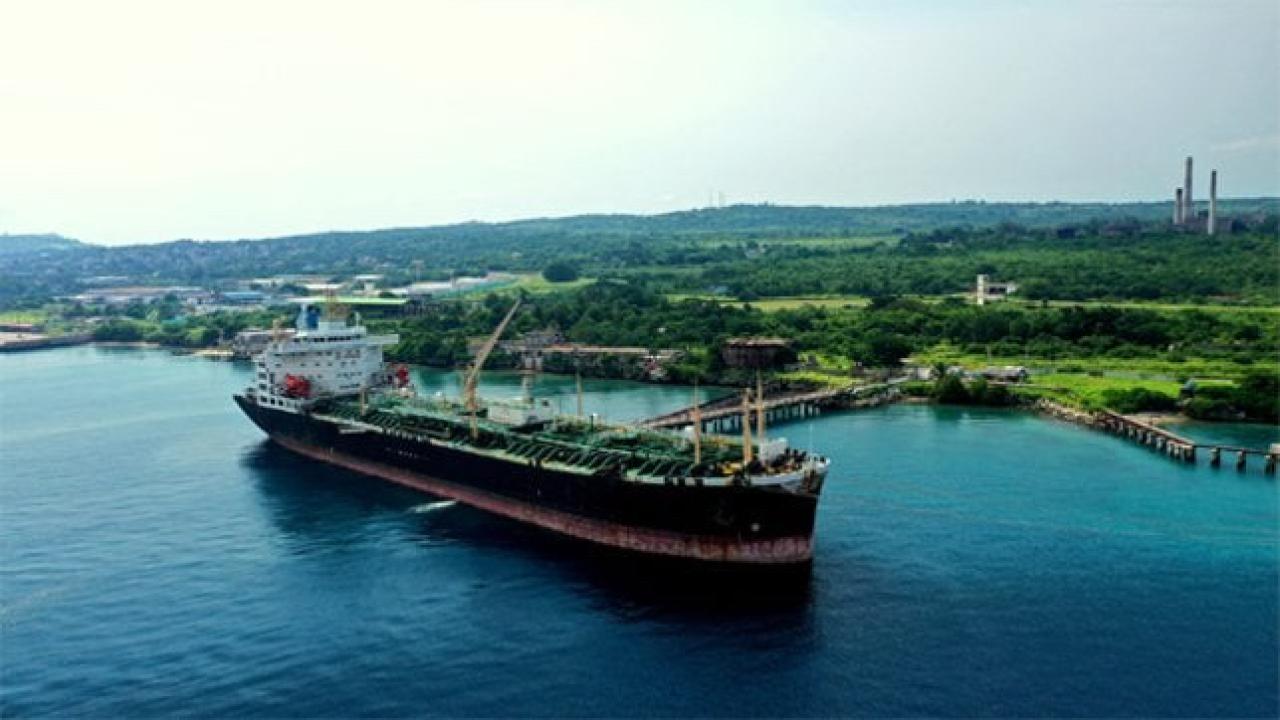
The 276-metre Sikinos I tanker, carrying 157,000 tonnes of Russian crude, is en route to Taiwan, expanding Russia's customer base beyond India and China. AIS vessel data also show shipments heading to Kenya and Indonesia, reflecting new export routes amid shortages caused by the Iran war.
The Sikinos I is operated by a major Greek shipping company and is one of about 60 European vessels now moving Russian oil. The EU ceiling remains at US$44.7 per barrel, but Asian buyers are paying around $100. The EU postponed a ban on transporting Russian oil in its latest sanctions package, pending consultations with G7 partners.
AIS data indicate 59 tankers from 12 Greek companies were active last week, with a combined capacity of 58.5 million barrels, roughly equal to India's monthly purchases from Russia. The cargoes are valued at more than $5.5 billion. Aframax and Suezmax tankers, carrying 105,000 to 159,000 tonnes, are serving Russia's Baltic and Black Sea ports.
In 2023, European tankers handled a third of Russian exports, but the current 20 percent share remains significant. Freight rates have surged, with Aframax voyages to India costing $22-23 million in March and $15 million in April, far above pre-war levels. Analysts note European carriers offer insurance and legal cover, creating competition that Sovcomflot chief Igor Tonkovidov described as unfair.
Russia's Ministry of Economic Development reported Urals crude averaged US$77 per barrel in March, while Reuters said buyers in Asia paid more than $100 at ports of receipt, highlighting the gap between the EU ceiling and market realities.