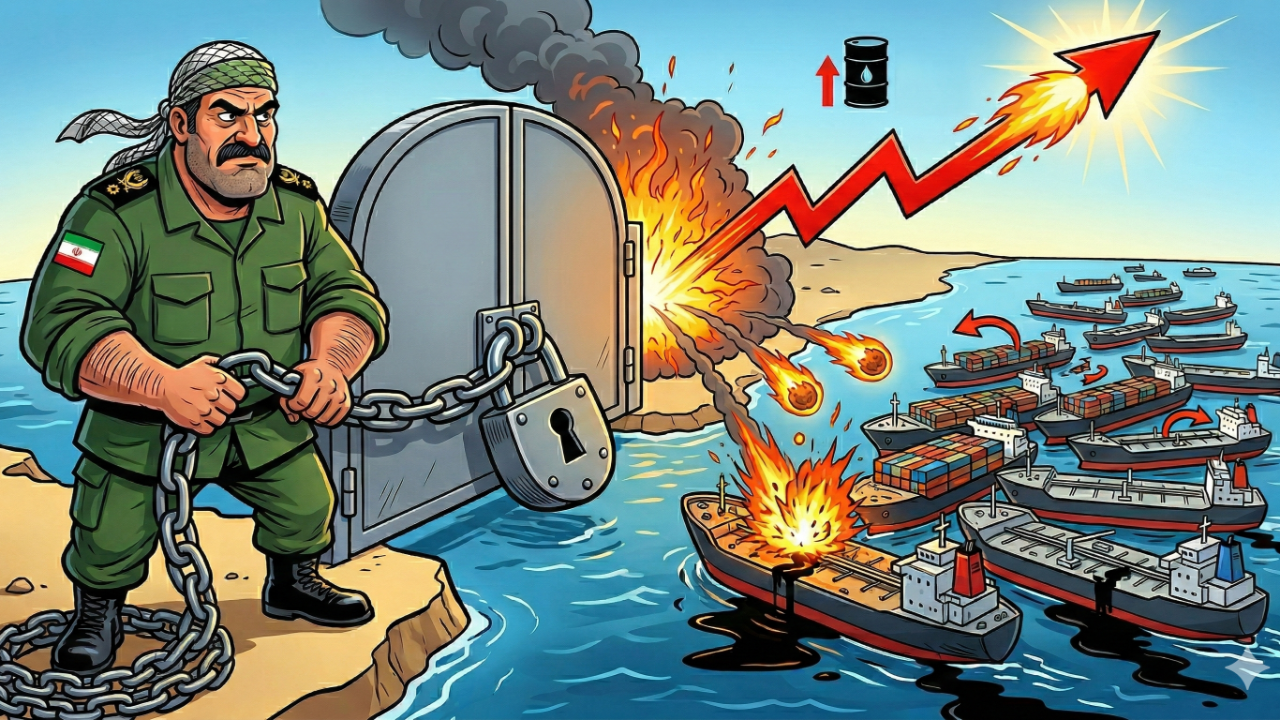
Vessel traffic in the Strait of Hormuz plummets as Iran shuts the waterway in response to Israeli strikes in Lebanon, raising concerns over maritime safety.
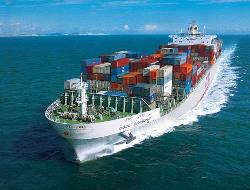
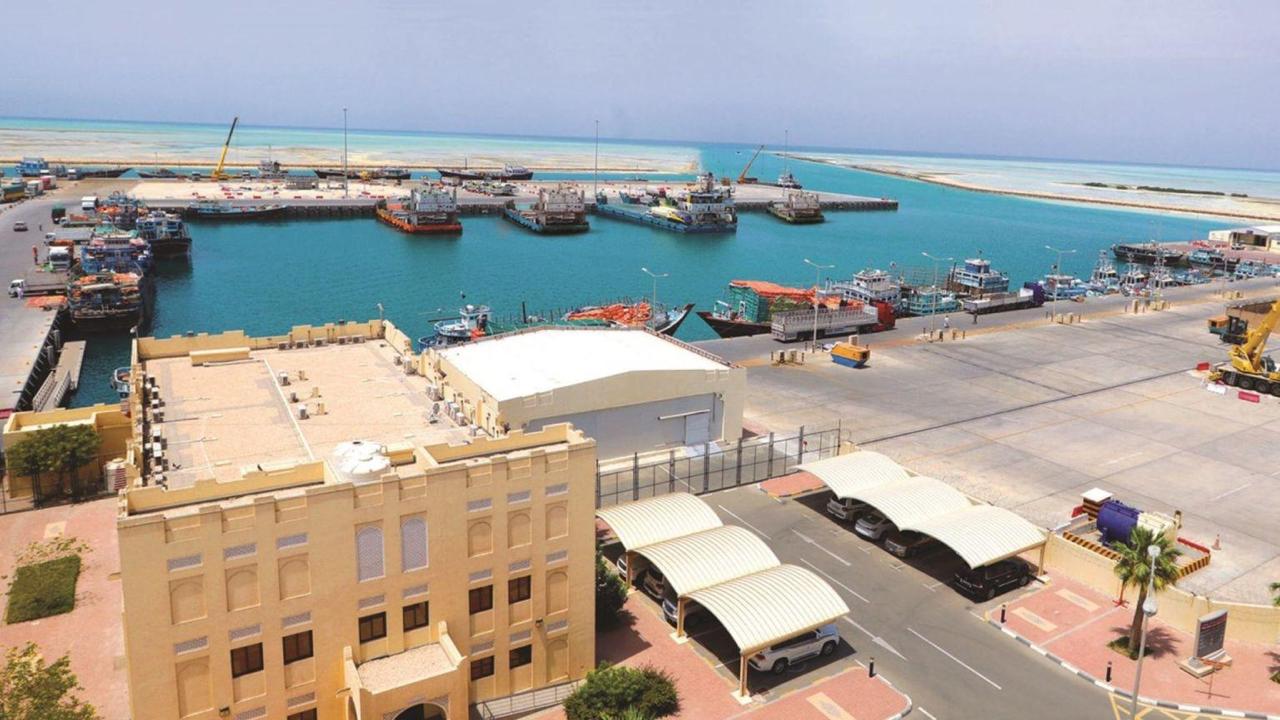
Vessel traffic through the Strait of Hormuz plunged after Iran declared the waterway shut in response to Israeli strikes in Lebanon, reported Al Jazeera.
Ship tracking data showed only 12 vessels crossed on Sunday, down from 35 the previous day, according to maritime intelligence company Windward. Five of the eight vessels entering had their Automatic Identification Systems switched off.
Windward described the traffic profile as 'dark, sanctioned, Iranian-linked,' resembling late-blockade conditions more than an open strait. The closure followed signs of recovery after US President Donald Trump and Iranian President Masoud Pezeshkian signed a memorandum of understanding last week to end the US-Israel war on Iran.
Iran's Islamic Revolutionary Guard Corps stated that the strait was shut due to Israeli 'crimes' in Lebanon and the failure of the US to maintain a ceasefire. However, US Central Command denied the closure, asserting that safe passage remained intact with 55 merchant ships transiting on Saturday.
Analysts noted that the discrepancy between CENTCOM and commercial tracking data may stem from vessels turning off AIS transponders to avoid detection and hugging Omani waters.
US and Iranian negotiators met in Switzerland on Sunday to salvage the fragile peace framework. Iranian Foreign Ministry spokesman Esmaeil Baghaei indicated that the sides discussed safe passage and agreed on a mechanism to manage ship movements.