Global container shipping struggles with peak season demand and port congestion, impacting vessel capacity and operational efficiency.
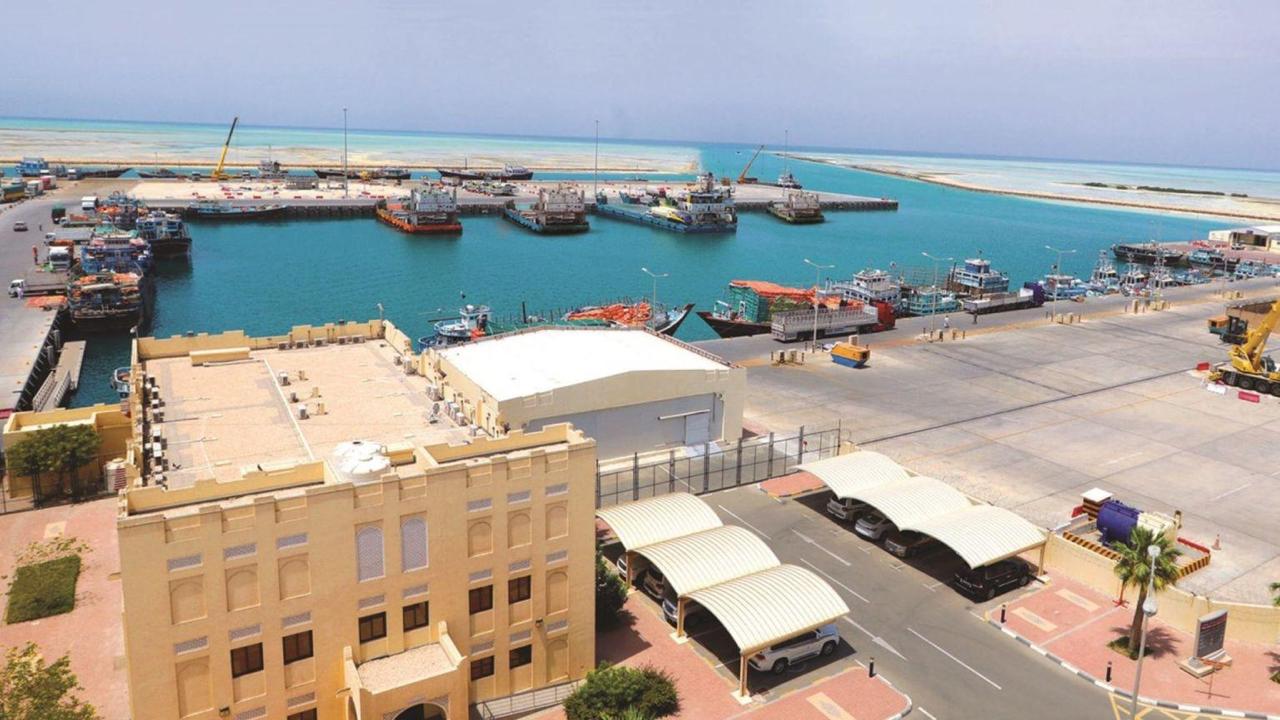
The global container shipping market remains under significant strain as extended peak season demand and port congestion persist. According to DHL Global Forwarding's September 2026 Ocean Freight Market Update, port congestion is nearing 4 million TEU, with year-to-date global container demand growing by approximately 5%. Asian export demand remains robust, creating sustained pressure on major ports and further straining vessel capacity due to weather disruptions and operational delays.
The transpacific peak season began earlier than usual, driven by pre-holiday restocking by U.S. importers and pre-Golden Week shipment planning by Chinese exporters. This prolonged demand has left vessel utilization on eastbound transpacific routes operating near full capacity, resulting in booking congestion and tight space availability. However, market conditions vary across regions, with significant divergence in cargo volumes, vessel deployments, and port performance.
Adding to the complexity, a gradual recovery in Suez Canal routing is underway after previous diversions via the Cape of Good Hope due to security risks in the Red Sea region. DHL reports that around 18% of Asia-Europe routes now use the Suez Canal, with major carriers like Maersk and Hapag-Lloyd incrementally resuming services through this critical passage. Despite this shift, full recovery of Suez Canal transits remains contingent on regional stability, and carriers must restructure vessel assignments and schedules to accommodate these changes.
For shippers, the intersection of peak season demand and ongoing congestion presents several challenges. First, early shipment planning around Golden Week is essential, as space pressure on transpacific trade lanes shows no sign of easing. Second, reliability in sailing execution must be prioritized over simply comparing freight rates, as weather disruptions and port delays introduce variability. Lastly, close monitoring of Suez Canal recovery is crucial, as capacity deployment and transit times on Asia-Europe lanes may evolve with increased canal usage.
Despite efforts to adjust capacity and routing strategies, global port congestion and extended demand cycles continue to dominate the container shipping landscape. The timing of market normalization will hinge on cargo volume trends, port efficiency, and carriers' operational decisions in the months ahead. For now, shippers must navigate a dynamic environment shaped by sustained demand, constrained capacity, and evolving trade patterns.