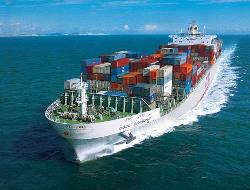
Several shipping containers fell into the water at the Port of Los Angeles, prompting investigations and raising concerns over cargo operations.
The San Pedro Bay port complex, which together handles roughly 40 percent of all containerized imports entering the United States, faced renewed operational disruption this week after several shipping containers fell off a cargo ship and into the water at the Port of Los Angeles, officials said.
Details on the Los Angeles incident remain limited. Officials confirmed the containers entered the water and that response teams moved to secure the site, though they have not yet released the exact number of units, the vessel involved, or the cause. Authorities are investigating.
The event follows a comparable incident last September at the neighboring Port of Long Beach, and together the two occurrences draw fresh attention to vessel stability and cargo-securing practices at the nation's busiest gateway for ocean freight.
For the businesses whose goods move through these terminals, a container spill is more than a localized cleanup operation. It directly threatens cargo value, transit reliability, and the delivery commitments shippers make to their own customers. A suspended terminal can ripple outward into missed sailing windows, delayed inland connections, and inventory gaps at the worst possible moment during seasonal demand.
The financial exposure is equally concrete. Cargo owners face the prospect of damaged or lost goods, general average claims, and the downstream cost of rerouting shipments through alternative gateways. For importers managing tight cash flow and total landed cost, and for freight forwarders coordinating bookings, an unplanned disruption like this tests the resilience built into every supply chain plan.
Incidents such as these reinforce the value of real-time shipment visibility, adaptive routing options, and proactive risk management. Cargo owners who can see where their goods are and who have contingency plans ready are better positioned to protect their commitments when a berth goes offline without warning.
In both the Long Beach and Los Angeles cases, the U.S. Coast Guard and port authorities coordinated the response, prioritizing the securing of loose containers and the safety of terminal personnel and waterways. Temporary suspension of cargo operations remains the standard precaution while responders assess vessel stability and recover displaced units.