Maersk announces temporary booking restrictions at Middle East ports due to disruptions near the Strait of Hormuz and regional congestion.
Maersk has announced temporary adjustments to booking acceptance and cargo routing at selected Middle East ports, citing sustained disruption in the vicinity of the Strait of Hormuz compounded by regional port congestion. The affected locations include Khor Fakkan and Fujairah on the UAE's east coast, as well as certain Upper Gulf destinations. These measures carry direct implications for cargo transport arrangements, vessel schedules, and final delivery timelines.
On October 30 (local time), Maersk issued a customer advisory titled 'Temporary Booking Restrictions: Khor Fakkan, Fujairah and Selected Upper Gulf Destinations', stating that ongoing disruption near the Strait of Hormuz, combined with regional port congestion, is affecting cargo flow and delivery timelines. In response to current operational conditions, the company has decided to implement temporary adjustments to booking acceptance and cargo routing for the affected destinations. The advisory does not enumerate all impacted Upper Gulf destinations, nor does it specify an end date for the restrictions. Maersk has indicated that it will continuously assess the temporary measures in line with evolving conditions and will keep customers updated on subsequent arrangements.
For cargo already booked, Maersk has stated that the relevant account managers will contact affected customers directly to provide specific cargo information and guidance on next steps, including negotiating alternative transport arrangements where applicable. For cargo already in transit, Maersk has cautioned that delays may still occur and has committed to providing customers with the latest cargo status updates. Where onward transport arrangements or revised delivery dates cannot yet be confirmed, this will be clearly communicated within those updates. Customers should note that an adjustment to an existing booking does not automatically result in cargo being rolled to the next sailing; actual arrangements must be confirmed directly with the carrier.
With respect to new bookings, Maersk has indicated these will be accepted subject to available capacity. For viable alternative routing options, Maersk will engage customers further on estimated transit times and associated costs, with specific arrangements dependent on actual operational conditions and available capacity. This means that even where a new booking is accepted, whether cargo can be shipped via the original routing must be confirmed on a shipment-by-shipment basis, taking into account available space, port calls, and alternative transport conditions.
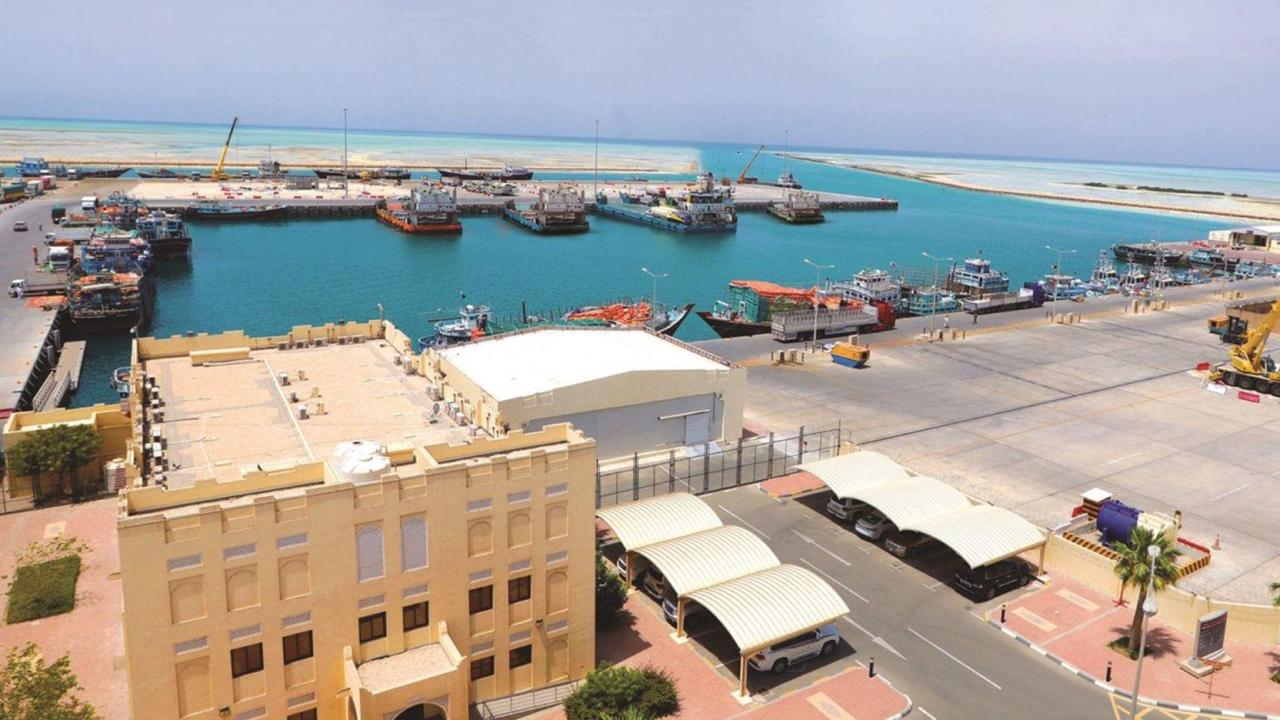
Khor Fakkan and Fujairah are both situated on the UAE's east coast and serve as critical gateways connecting the UAE and surrounding markets. Against the backdrop of disruption to transit through the Strait of Hormuz, operational changes at these ports and shifts in cargo routing may further affect container shipping and overland transshipment arrangements across the Gulf region. For cargo relying on UAE east coast ports for transshipment or inland distribution, the booking restrictions may introduce route adjustments, changes to transshipment connections, and additional transport costs.
Exporters, freight forwarders, and logistics service providers shipping cargo to the UAE and Gulf region are advised to monitor booking confirmations, actual loading arrangements, in-transit cargo status, and alternative transport costs for affected destination ports closely in the near term, rather than relying solely on original booking information to assume cargo will arrive as planned. Specifically, the following points warrant verification: whether the carrier is accepting new bookings and under what capacity conditions; whether booked cargo requires re-allocation or route adjustment; whether in-transit cargo is subject to delays and revised delivery dates; and the time and cost implications of alternative port or overland transshipment options. For time-sensitive shipments, early communication with cargo owners regarding potential delay risks is advisable, with sufficient buffer time built in to accommodate any route changes.