
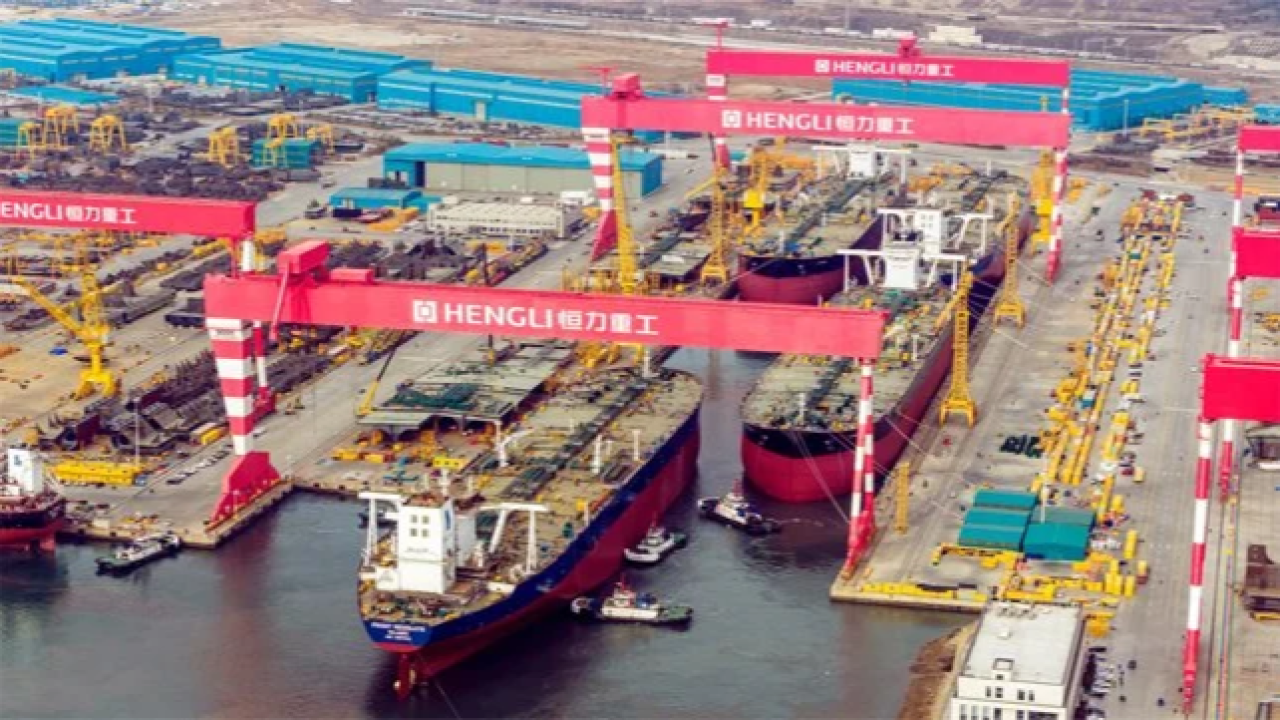
BIMCO reports a 17-year high in global ship orders, driven by a surge in crude oil tanker contracts and rising demand across the sector.
According to a report published by BIMCO, the increase in global shipbuilding orders continues unabated. New orders have reached the highest level in 17 years, with a notable rise particularly in the crude oil tanker segment.
Strong increase in orders
In the first quarter of 2026, new shipbuilding contracts increased by 40% year-on-year, reaching 17.6 million CGT. The global order book is estimated to have risen to a total of 191 million CGT. This figure corresponds to 17% of the current global fleet, marking the highest level since 2011.
BIMCO Ship Analysis Manager Filipe Gouveia stated that new ship contracts in the 2020s are 47% higher than the average in the 2010s. Gouveia noted that increasing demand has driven up ship prices and extended delivery times at shipyards, with 57% of contracts signed this year extending beyond 2028.
Tanker orders stand out
According to the report, the recent increase is primarily driven by a rapid rise in tanker orders. The number of new tanker orders has tripled, and the recovery in LNG carrier contracts has raised the share of tankers in total contracts to 32%. This rate is the highest since the second quarter of 2017.
This development has strengthened expectations that a new upward cycle has begun in the tanker market, which has been stagnant for a long time.
Order book is swollen in some segments
According to BIMCO data, the ratio of the order book to the fleet has risen to 22% for crude oil tankers, 19% for product tankers, 37% for container ships, and 40% for LNG carriers.
It is expected that these new orders for crude oil and product tankers will contribute to the renewal of the aging fleet. Indeed, 21% and 17% of the fleets in these segments are over 20 years old, respectively.
In contrast, although the container and LNG fleets are younger, a stronger increase in demand is anticipated in these segments.
Signs of slowdown in bulk carriers
Despite the strong annual increase, new shipbuilding contracts declined by 17% on a quarterly basis. This decrease was influenced by a slowdown in bulk carrier orders.
The report reminded that there was a temporary increase in bulk orders in the fourth quarter of 2025 due to rising demand for capesize vessels.
Uncertainties may affect contracts
Gouveia pointed out that the increasing order book in the medium term could slow down new contracts. Extended delivery times, high ship prices, and uncertainties regarding operations in the Red Sea and the Strait of Hormuz are putting pressure on the market.
Uncertainties regarding the availability of alternative fuels are also among the factors complicating investment decisions.
Chinese shipyards maintain their leadership
According to the report, Chinese shipyards maintained their leadership by receiving 70% of new orders in the first quarter of 2026. South Korean shipyards secured a 20% share, largely supported by LNG tanker orders.
The share of Japanese shipyards fell by 83% year-on-year to 1%, marking the lowest level since 1996.
Global competition is intensifying
While the Japanese government has announced new investment plans to revitalize the shipbuilding industry, major shipyards are pursuing mergers to increase efficiency. South Korea is also developing new strategies to enhance its competitiveness against China.
Many countries, including policies initiated during Donald Trump's administration in the U.S., are taking steps to strengthen their national shipbuilding sectors.
Environmental transformation investments continue
In addition to the need for fleet renewal, the pressure to comply with environmental regulations is accelerating investments in the sector. Although clarity from regulatory bodies, primarily the IMO, is limited, companies continue to focus on alternative fuels and new-generation vessels that provide energy efficiency.
Source: SeaNews Türkiye


