Seafarers remain stranded in the Strait of Hormuz for 60 days, facing mental strain and uncertainty due to the ongoing US-Israel-Iran conflict.
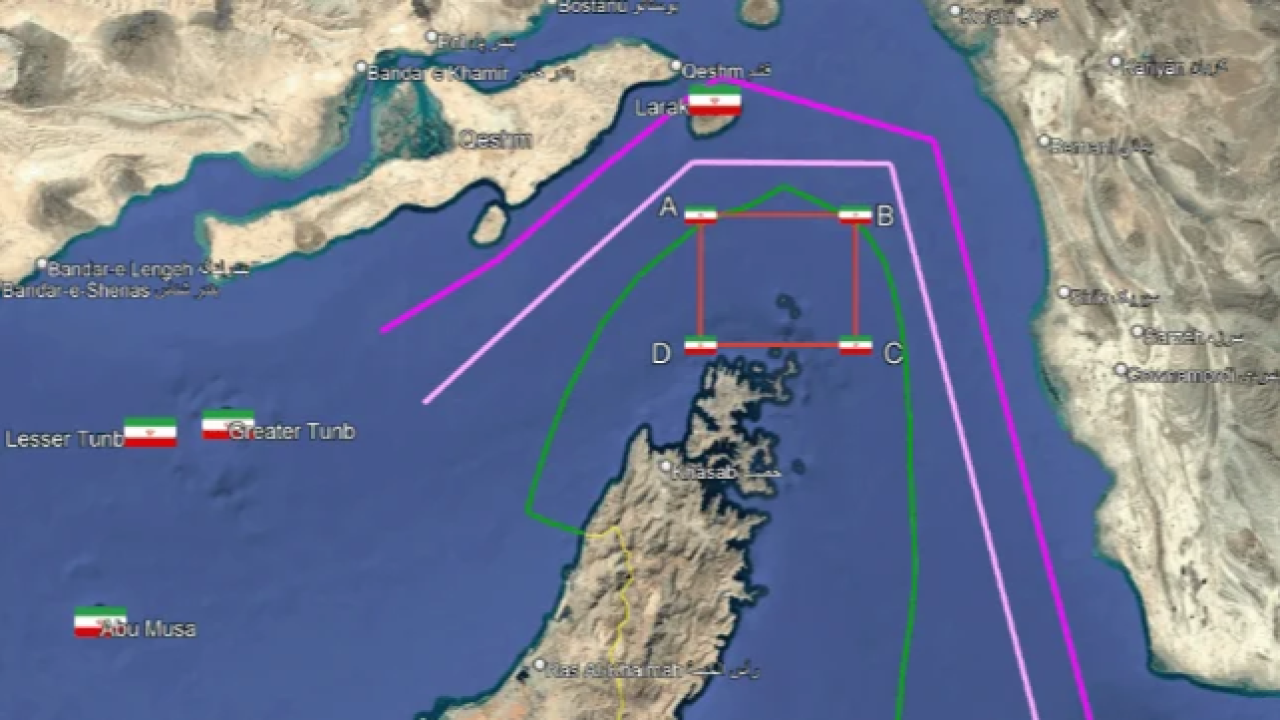
Crews have been stuck at anchor in the Strait of Hormuz for 60 days with no sign of reopening, highlighting the human toll of the US-Israel-Iran conflict, reports the UK's Seatrade Maritime News.
Seafarers are waiting without departure dates, unable to tell families when they will return. Analysts say the industry has failed to organize itself to move crews, leaving them in prolonged uncertainty.
The expectation of an official all-clear is misplaced, commentators noted, as the situation reflects a sustained strategic posture rather than a crisis awaiting resolution. Every day of waiting adds to the psychological strain on crews and families.
Experts warn that enforced confinement erodes mental health, with stress escalating as uncertainty persists. Industry wellness programs are inadequate to address what has become a systemic operational failure.
Shipping's response, framed as caution, has instead created risks. Extended anchoring is not safe in contested waters, and crew welfare has been overlooked in risk assessments, critics say.
At the height of Somali piracy, the industry organized frameworks to manage risk. Observers say similar coordination is needed now, with structured transit windows and alignment with naval forces to support safe movement.
Coalition forces under US Central Command are ready to support but require a credible industry interlocutor. Without collective organization, accountability rests with shipowners, operators, flag states, and associations for each additional day crews remain stranded.