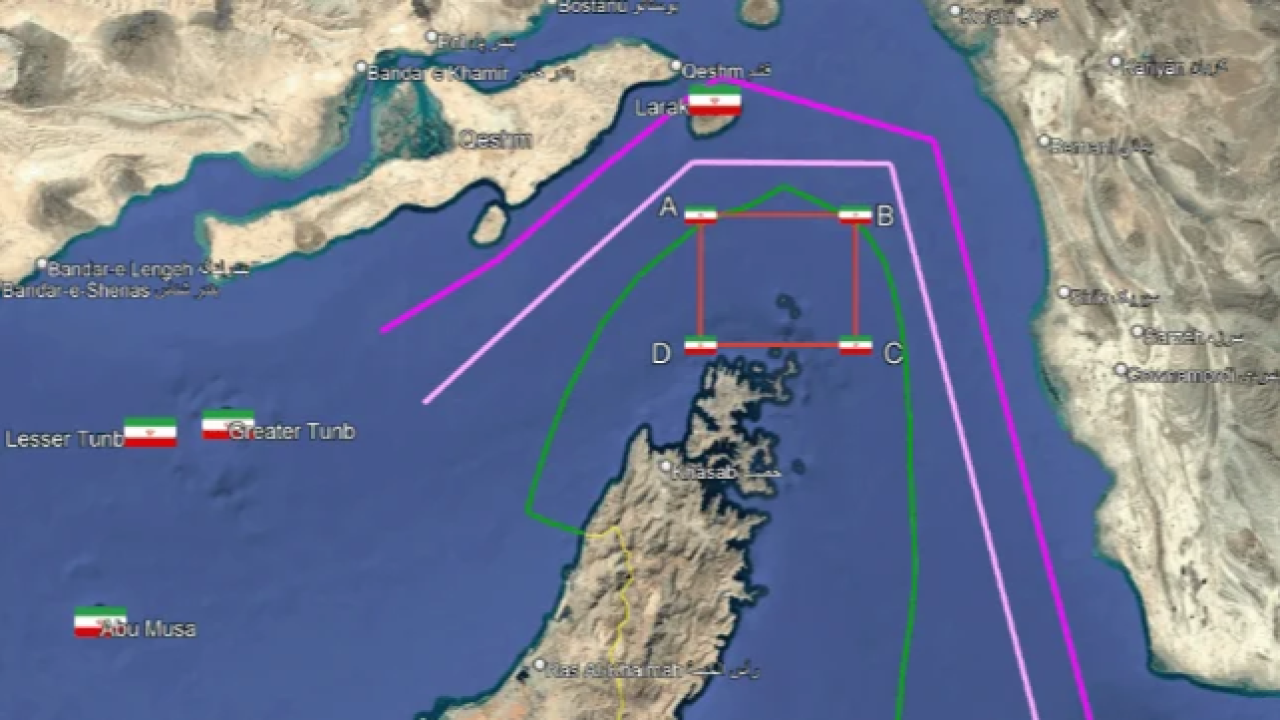
The Hormuz Strait closure disrupts global fertilizer supplies, pushing SKW Piesteritz to full capacity amid rising costs and farmer concerns.
The closure of the Strait of Hormuz has disrupted global fertilizer supplies, forcing Germany's SKW Piesteritz plant to run at full capacity to offset shortages, reports Istanbul's Daily Sabah.
SKW, Germany's largest urea producer, expects revenue to rise by 10-20 percent this year but warns that this estimate is uncertain due to volatile markets. CEO Carsten Franzke stated that soaring energy costs mean the company will likely only break even, stressing that it is not a 'war profiteer.'
About 80 percent of SKW's production relies on gas, which has doubled in price since the conflict began in February. The company now imports gas from Norway, the Netherlands, and the US, but rising global prices continue to weigh on operations.
Farmers are struggling to absorb the impact. Gerhard Geywitz, a corn farmer in Baden-Wuerttemberg, reported that fertilizer prices have jumped by 50 percent since the war, while cereal prices remain stable. He warned of a possible shortage next year and has stocked up supplies early.
The German Fertilizer Producers' Association stated that several European plants have already closed due to high costs, leaving food security at risk. It warned that dependence on international markets is a vulnerability.
Mr. Franzke and other industry leaders have called for a review of the EU's carbon trading scheme to ease pressure on businesses. The European Commission has stated that it is examining the issue.