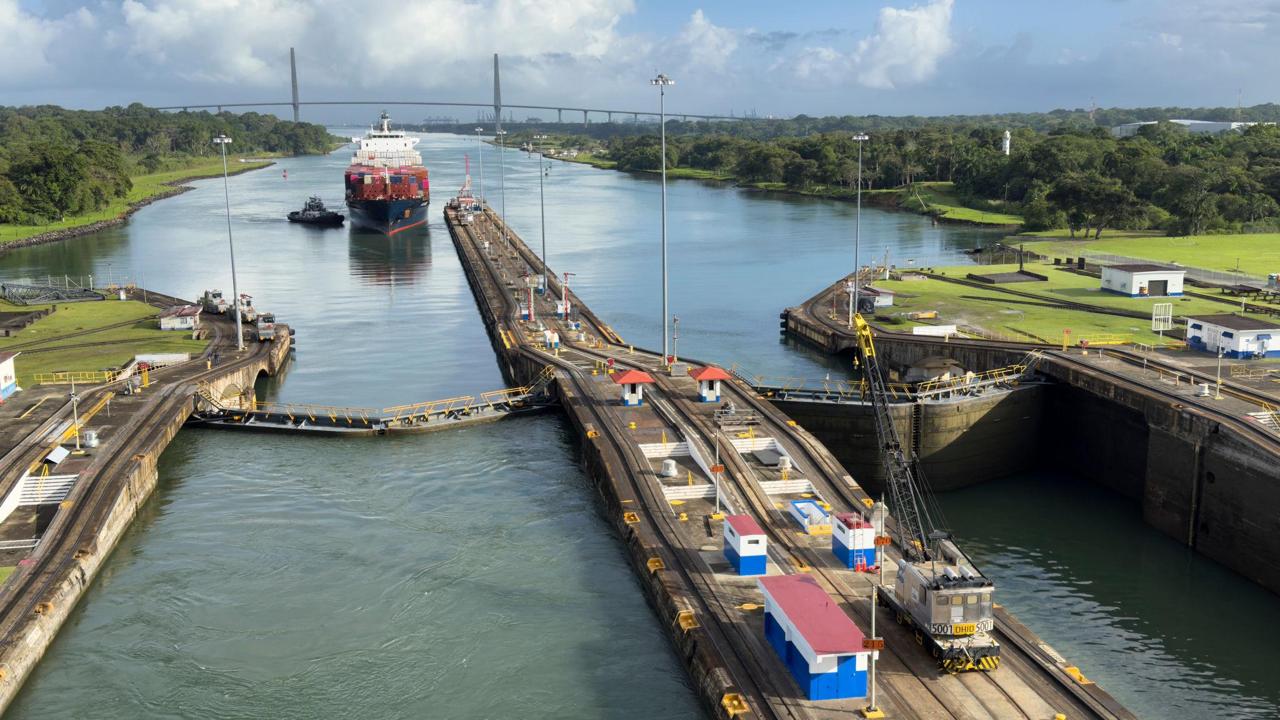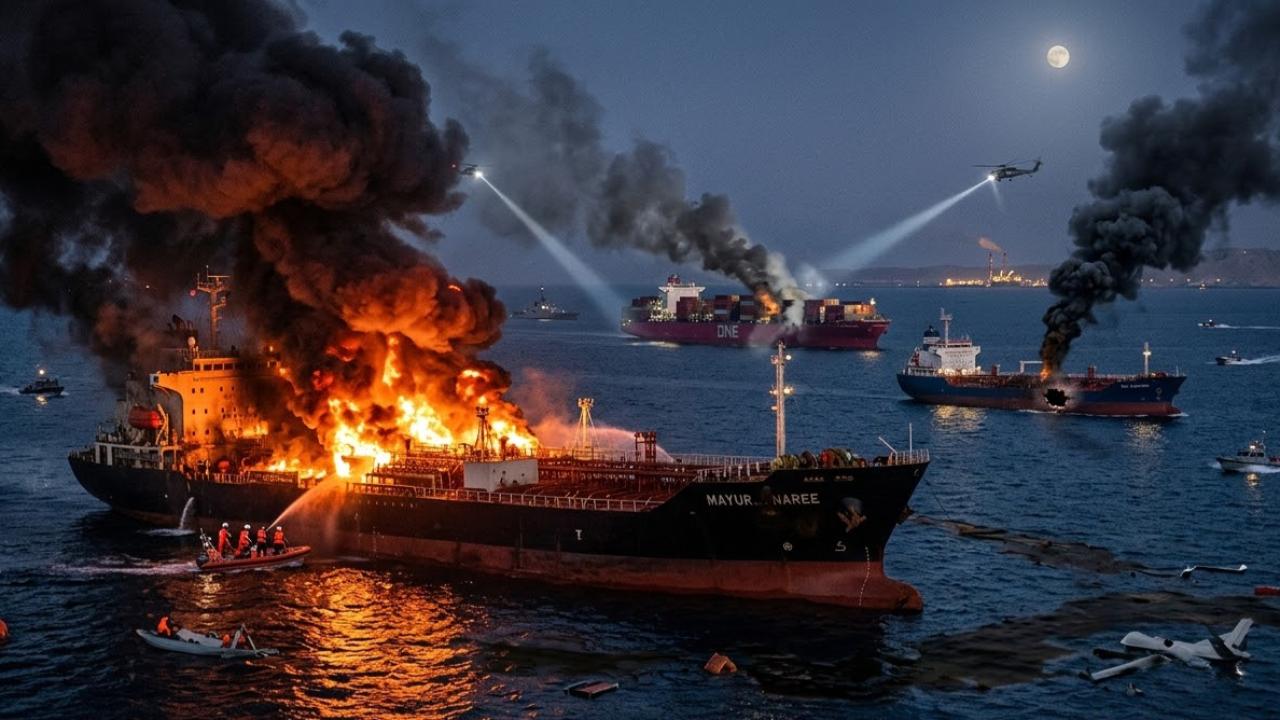
Geopolitical issues now overshadow ESG priorities in maritime, with resilience and supply chain concerns taking precedence, per SAFETY4SEA's 2026 survey.
Geopolitical uncertainty, supply chain disruption, and resilience have become the leading priorities in the maritime ESG agenda, according to the latest SAFETY4SEA ESG Barometer Survey 2026, reported by Athens' Safety4Sea.
The survey, which drew responses from 1,638 maritime professionals, found that war-related risks and supply chain disruption ranked highest among ESG concerns. Nearly half of the respondents were senior executives, including CEOs and directors.
Social factors remain critical, with supply chain labor standards and human rights ranked third, followed by crew welfare and training. Analysts noted that social priorities are increasingly linked to operational continuity and workforce resilience.
Environmental issues such as IMO emissions rules, alternative fuels, and carbon pricing remain in the top 10 but are no longer dominant. The survey indicated a shift from sustainability-driven goals to resilience-focused frameworks.
Operational disruption and cyber resilience have also gained prominence, while governance factors such as reporting, oversight, and responsible financing clustered in the mid-ranking, reflecting a move toward risk management.
Apo Belokas, managing editor of SAFETY4SEA, stated that ESG in shipping is now defined by resilience, continuity, and risk management rather than long-term environmental goals. The survey showed a clear escalation from 2025, with external pressures now shaping strategic decision-making.