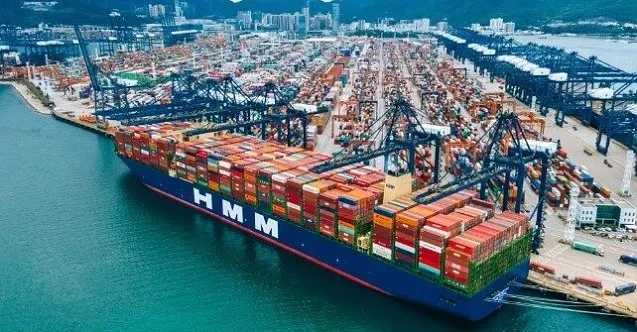
Seafarer abandonment has emerged as a pressing humanitarian crisis within the maritime industry, with a significant surge in reported cases over recent years.
Seafarer abandonment has emerged as a pressing humanitarian crisis within the maritime industry, with a significant surge in reported cases over recent years. This issue leaves thousands of seafarers stranded on vessels without pay, provisions, or means of repatriation, exposing critical vulnerabilities in maritime labor practices and regulatory enforcement.
Escalating Incidents
Data from the International Maritime Organization (IMO) and the International Labour Organization (ILO) reveal a troubling increase in abandonment cases. In 2023, 142 new incidents were reported, up from 109 in 2022, 95 in 2021, and 85 in 2020. This upward trend underscores a persistent and growing challenge within the maritime sector.
Defining Abandonment
According to the Maritime Labour Convention (MLC) of 2006, a seafarer is considered abandoned if the shipowner fails to cover repatriation costs, provide necessary maintenance and support, or unilaterally severs ties, including the non-payment of wages for at least two months.
Contributing Factors
Several factors contribute to the rise in abandonment cases:
Financial Instability: Shipowners facing economic hardships may abandon vessels to evade mounting debts and operational costs. Regulatory Gaps: Inconsistent enforcement of international conventions allows negligent shipowners to operate with impunity. Complex Ownership Structures: The use of flags of convenience and intricate ownership arrangements complicates accountability and legal recourse.
Human Impact
Abandoned seafarers endure severe hardships, including:
Unpaid Wages: Many are left without months of earned income, leading to financial distress for themselves and their families. Lack of Basic Necessities: Stranded crews often face shortages of food, clean water, and medical supplies. Psychological Trauma: Prolonged isolation and uncertainty contribute to mental health issues, including anxiety and depression.
Case Study: The 'Navimar 3'
A recent example involves the tugboat 'Navimar 3,' anchored off Kutubdia Island, Bangladesh, since March 2023. The crew, including an Indian engineer officer, has been stranded without pay for 14 months, unable to disembark due to withheld documents. This case exemplifies the dire conditions faced by abandoned seafarers.
International Response
Organizations like the International Transport Workers’ Federation (ITF) and the International Seafarers’ Welfare and Assistance Network (ISWAN) are actively working to address this crisis by:
Advocacy: Pushing for stricter enforcement of existing regulations and greater accountability for shipowners. Support Services: Providing assistance to abandoned seafarers, including legal aid, repatriation, and mental health support.
Call to Action
Addressing seafarer abandonment requires a coordinated global effort to:
Strengthen Enforcement: Ensure consistent application of international maritime labor laws across all jurisdictions. Enhance Transparency: Improve tracking of vessel ownership and operations to hold responsible parties accountable. Support Seafarers: Establish robust support systems to assist those affected by abandonment, ensuring their rights and well-being are protected.
The escalating issue of seafarer abandonment highlights the need for systemic reforms within the maritime industry to safeguard the rights and welfare of its essential workforce.