The Iran war severely impacts global energy, with QatarEnergy reporting major LNG train damage and strikes on Middle East energy hubs.
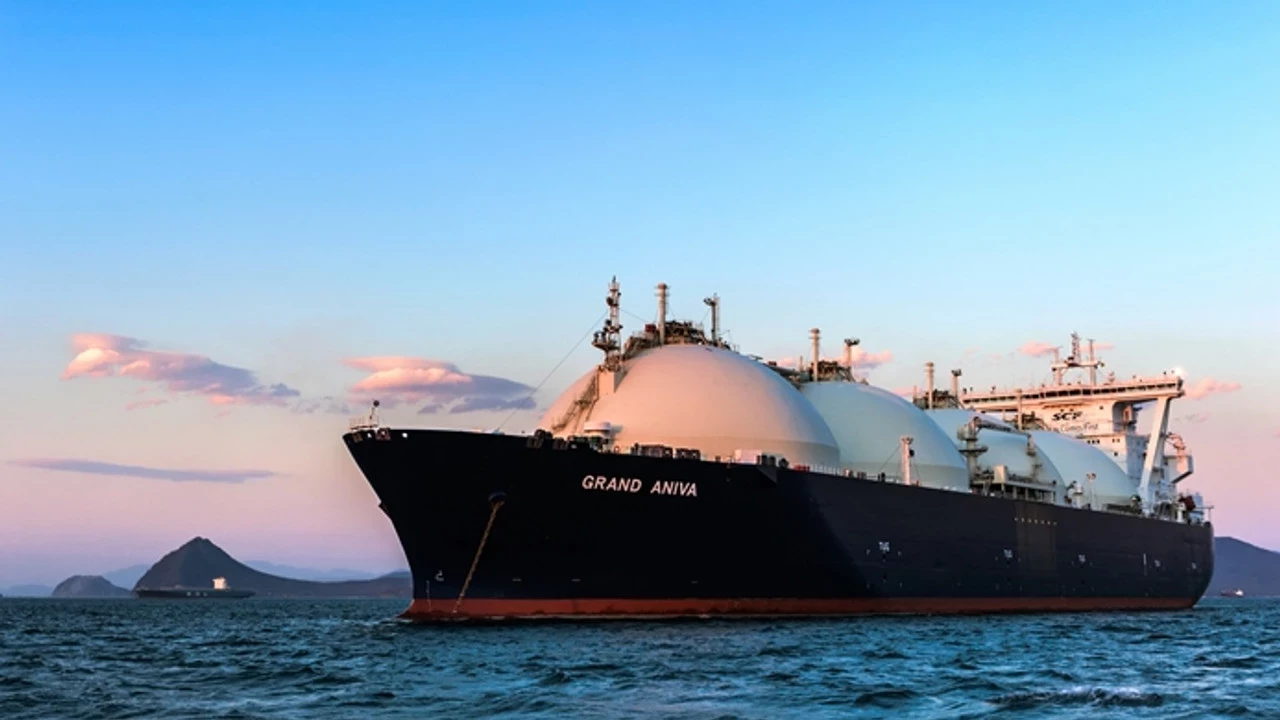
The Iran war has inflicted its most severe blow yet on global energy infrastructure, with QatarEnergy confirming catastrophic damage to two LNG trains and fresh strikes on Middle East energy hubs, reports Singapore's Splash 247.
QatarEnergy stated that RasGas Trains 4 and 6, representing 12.8 million tonnes per annum of LNG supply, were severely damaged. The loss amounts to 17 percent of Qatar's Ras Laffan export capacity and about three percent of global output. Repairs could take three to five years, according to information from Reuters.
The damage coincided with strikes on Kuwaiti oil facilities and Iran's attack on Saudi Arabia's Yanbu port and refinery complex. Yanbu had become a critical outlet for Saudi crude exports as the Strait of Hormuz remained unsafe.
Iranian media also reported that Tehran is considering legislation to impose transit fees on vessels passing through the Strait of Hormuz, adding further commercial pressure to the crisis.
The International Maritime Organization convened an extraordinary council session in London, backing a humanitarian corridor to evacuate 3,200 vessels and 20,000 seafarers stranded in the Gulf. The plan drew comparisons to the Black Sea Grain Initiative but lacks firm naval escort commitments.
A joint statement from European and Japanese governments condemned attacks on shipping and energy infrastructure, describing the Strait of Hormuz as effectively closed. IMO Secretary-General Arsenio Dominguez warned that while cargo can be insured, human lives cannot be replaced.