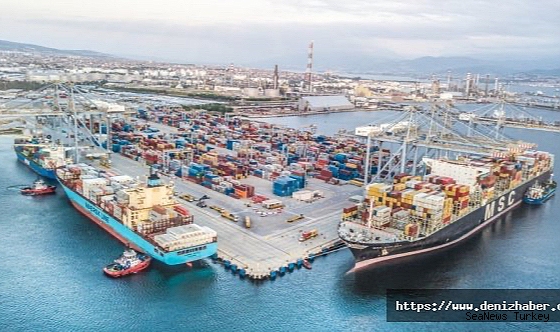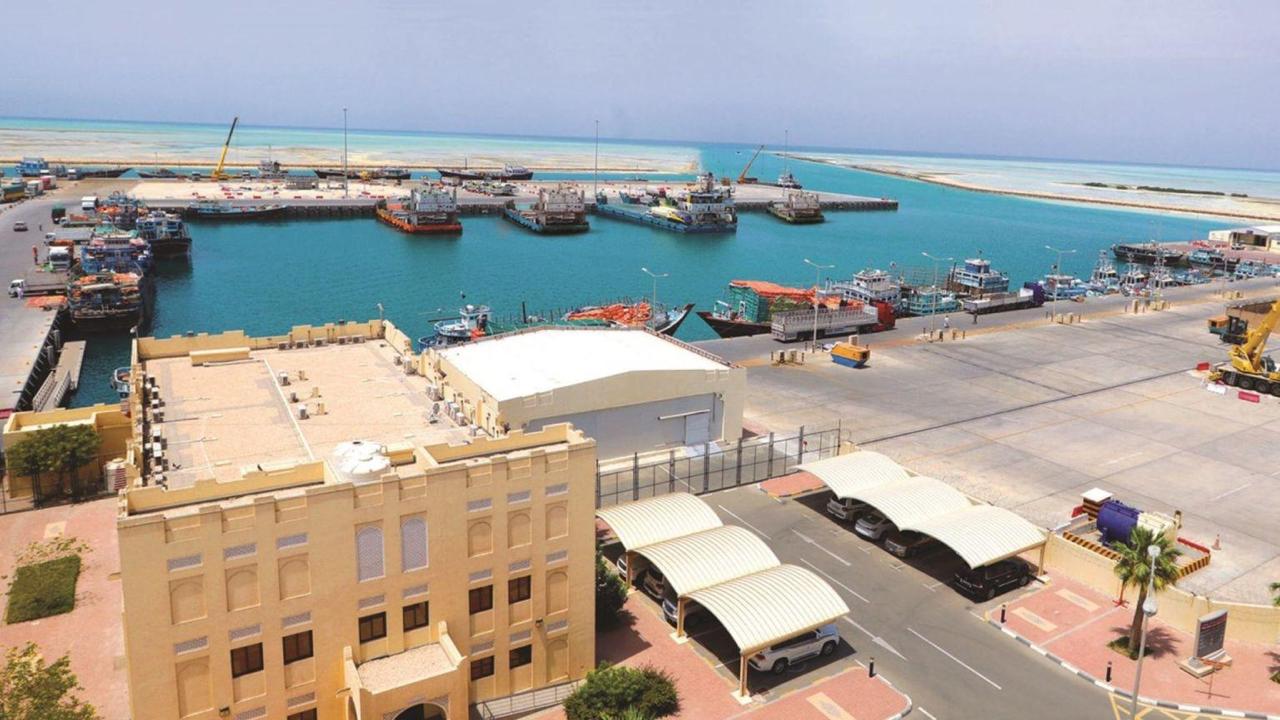
Within the span of a single month, the Port of Los Angeles intercepted more than 120 million attempted cyber attacks.
Within the span of a single month, the Port of Los Angeles intercepted more than 120 million attempted cyber attacks. As reported by Bloomberg on September 17, Port of Los Angeles Executive Director Gene Seroka revealed in an interview that cyber attack attempts intercepted during August of this year exceeded 120 million incidents, encompassing network intrusions, vulnerability exploits, credential theft, and malware deployment.
The port currently counters these digital threats through a seven-layer digital defence framework, reinforced by active partnerships with private sector enterprises to strengthen its overall cybersecurity posture.
Despite the rising volume of cyber attack attempts, cargo throughput at the Port of Los Angeles has remained at elevated levels. Data released by the port indicates that 955,900 TEUs were processed in August of this year, representing a year-on-year increase of 1.5%, with import laden containers accounting for 500,300 TEUs. From June through August of this year, the Port of Los Angeles maintained high-volume operations across three consecutive months, with cumulative throughput for that period exceeding 2.9 million TEUs - a record high for the port during the same period in its history. For the first eight months of the year, the port has processed a cumulative total of more than 7 million TEUs.
This sustained cargo growth has placed considerable operational pressure on the port's digital infrastructure. Vessel berthing, container scheduling, terminal operations, and cargo tracking are all highly dependent on digital systems to function effectively.
The Port of Los Angeles's recent surge in cargo volumes is closely tied to shifting global trade lane dynamics. With vessels reducing transits through the Suez Canal and the Panama Canal due to security and weather-related factors, a greater proportion of cargo flows have been redirected to alternative shipping corridors. Panama Canal transit restrictions have also altered the routing of certain Asian goods entering the U.S. market, with some cargo now discharged at West Coast ports before moving eastward by rail and road. The Port of Los Angeles has consequently absorbed a significant share of this redirected cargo. According to Bloomberg, Panama Canal restrictions could drive a further 5% to 10% increase in subsequent cargo volumes at the Port of Los Angeles.
The port's cargo source composition is also evolving. Over the past decade, cargo volumes between Vietnam and the Port of Los Angeles have grown approximately fourfold. Over the same period, the share of Chinese goods as a proportion of the port's total throughput has declined from approximately 60% to 40%.
Historically, port operations have been most susceptible to disruption from weather events, labour strikes, congestion, and navigation channel constraints - factors that typically prompt freight forwarders and shipping lines to adjust vessel schedules, port calls, and inland transport arrangements accordingly. Today, digital systems are increasingly emerging as an additional risk dimension within port operations. Should terminal management systems, cargo information platforms, or associated digital infrastructure experience failure, the impact would propagate directly to vessel berthing schedules, container retrieval, and subsequent inland transport operations.
U.S. authorities have previously disclosed that relevant agencies are actively tracking cyber threats targeting nearly 20 vessels operating across global trade lanes. For a port processing large volumes of vessels and containers on a daily basis, cybersecurity has evolved beyond the purview of an IT department - it is now a core strategic imperative governing overall operational continuity and the stability of global supply chains.