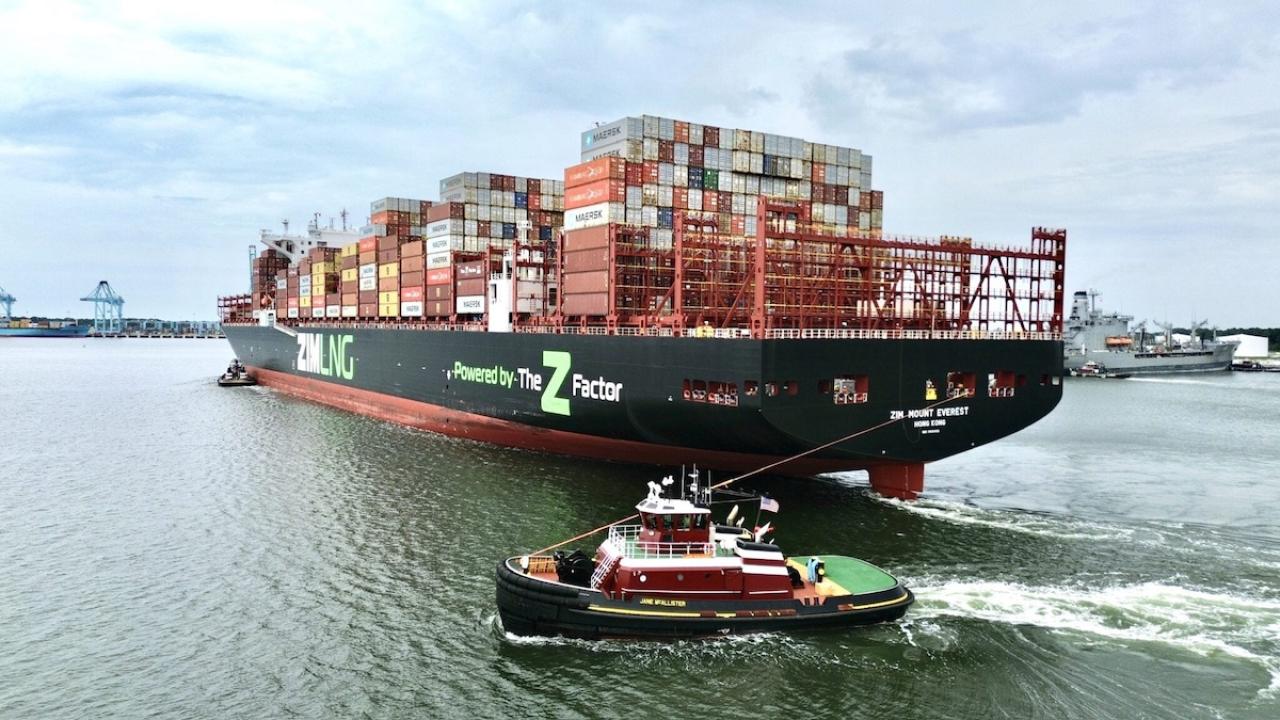
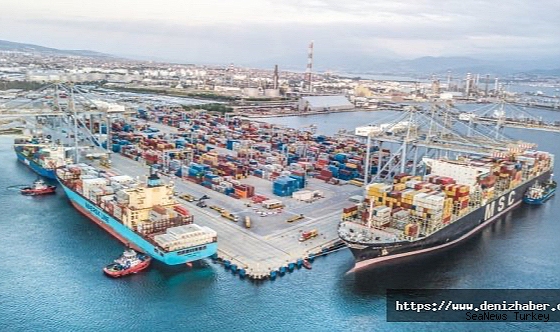
Rail dwell times at the Port of Los Angeles exceed nine days as employers negotiate to prevent a strike, impacting supply chains and costs.
Containers bound for inland rail transport are now waiting more than nine days on the docks, according to Executive Director Gene Seroka. At the same time, employers at the Los Angeles-Long Beach port complex are negotiating to avert a potential strike.
Together, these developments affect cost, timing, and planning for importers, shippers, and freight forwarders that move goods through the largest port gateway in the United States.
Seroka reported that idle container wait times for rail transport have climbed past nine days. Supply Chain Dive first reported the figure. Rail dwell time measures how long an import container sits at the terminal after discharge from a vessel and before it departs on a train.
A dwell time above nine days is a clear sign of congestion in the intermodal pipeline. Containers waiting for rail take up terminal space, slow yard operations, and delay cargo headed to inland markets. Cargo on rail-served lanes into the Midwest, the South, and other inland distribution hubs is especially exposed.
For importers and buyers, every extra day a container sits at the port pushes arrival dates back and pressures margins. The main effects include inventory delays: Goods arrive at inland distribution centers later than planned, raising the risk of stockouts during periods of steady or seasonal demand. Higher total landed cost: Long dwell times can trigger extra charges, including demurrage, detention, and storage fees, depending on contract terms and free-time allowances. Cash flow strain: Paying for inventory that is still in transit ties up working capital and delays revenue. Planning uncertainty: Changing arrival windows make it harder to keep customer commitments and to schedule labor and warehouse capacity at the destination.
Freight forwarders face their own operational challenges. Clients expect accurate arrival estimates and clear explanations for delays. Shipment visibility and proactive communication become key to reducing disruption and maintaining client trust.