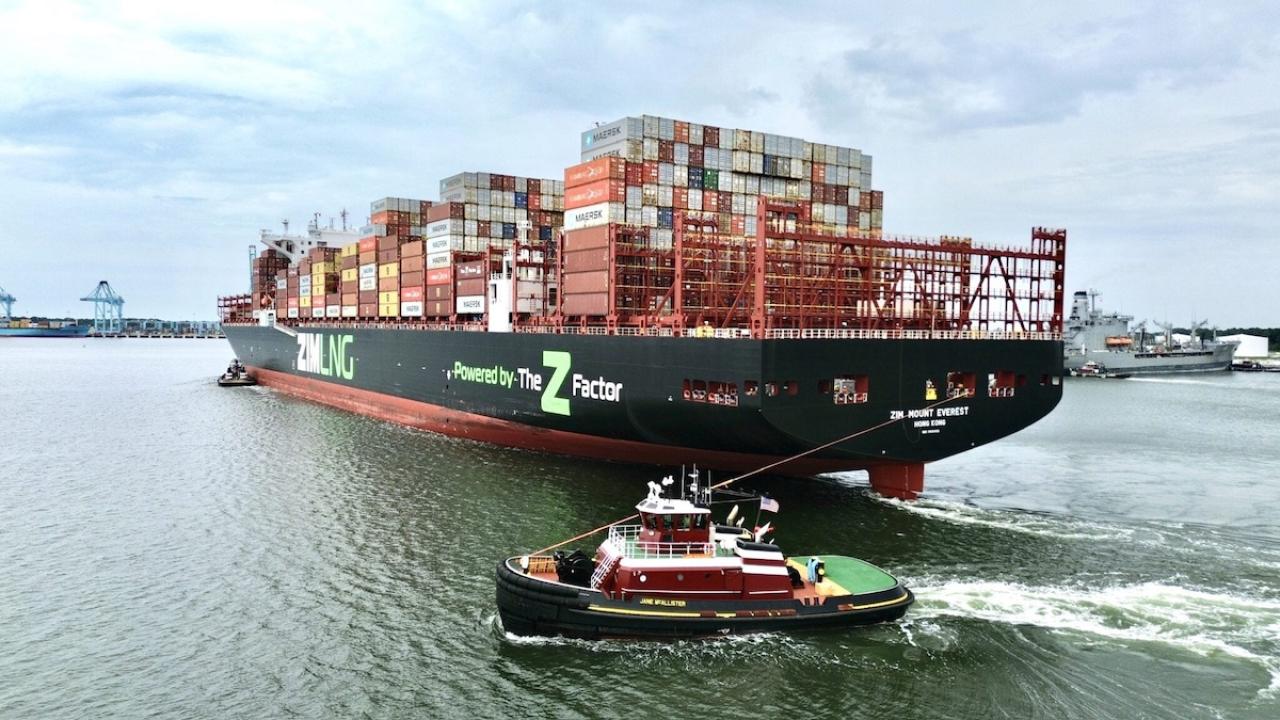
In October, LA and Long Beach ports handled over 1 million TEU, driven by strong import demand and AI-related cargo growth.
The ports of Los Angeles and Long Beach combined to handle 1,000,500 TEU in import container volume during October, marking the second consecutive month in which the two facilities have surpassed the one-million-TEU threshold. The figure falls marginally below the all-time record established in September, yet confirms that import momentum across the San Pedro Bay complex remains at historically elevated levels. Analysts attribute the sustained surge to a combination of front-loading activity ahead of trade policy deadlines and a measurable increase in cargo tied to artificial intelligence infrastructure procurement.
Port-level data indicates that the Port of Los Angeles recorded year-over-year gains exceeding 20 percent across loaded imports, exports, and empty container movements when measured against October of the prior year. The Port of Long Beach posted a comparable year-over-year increase of more than 11 percent. Port of Los Angeles Executive Director Gene Seroka identified shifting trade policy conditions, uncertainty on alternative global shipping lanes, sustained consumer spending, and retailer restocking activity as the principal drivers sustaining import volumes at their current pace. Long Beach Chief Executive Officer Noel Hacegaba projected that elevated container volumes would persist at least through the early months of the coming year, citing cargo demand generated by the expansion of the artificial intelligence sector as a contributing factor. Importers are accelerating shipment schedules ahead of the January expiration of the current United States-China trade truce, with broad industry consensus that at least the first month of the new year will remain congested—a condition that may extend through the first quarter.
In contrast to the strength recorded on the import side, outbound volumes at both ports declined on a year-over-year basis: the Port of Los Angeles registered a 7 percent reduction in exports, while the Port of Long Beach recorded a 6 percent decline. Empty container movements, however, rose by 26 percent and 13 percent respectively—a pattern that signals active repositioning of equipment by ocean carriers in anticipation of continued high-volume inbound cargo from Asia. The simultaneous increase in loaded imports and empty repositioning activity reinforces the structural imbalance of trans-Pacific trade flows, which remain heavily weighted toward Asia-origin exports to the United States, with comparatively limited return cargo available on outbound lanes.
The National Retail Federation has forecast that import activity at major United States gateway ports will begin to moderate toward the end of the year, projecting a 3 percent year-over-year decline in January import volumes. Jonathan Gold, the organisation's Vice President for Supply Chain and Customs Policy, acknowledged that while the peak season is approaching its conclusion, cargo volumes remain robust, and that sustained throughput levels have produced congestion conditions—with intermodal rail transfers at the principal West Coast ports experiencing particularly acute backlogs. For freight forwarders and beneficial cargo owners, the prevailing operational priorities center on terminal gate efficiency, rail car availability, and inland connection reliability, with contingency time factored into transit planning to accommodate potential delays. Port leadership maintains a constructive near-term outlook on cargo volumes; however, the capacity of the inland rail network to absorb continued throughput at current levels will be a determining factor in the broader efficiency of the trans-Pacific supply chain through the first quarter.