The Indian bulker APJ Priti 2 transited Hormuz carrying 65,000 tonnes of fertiliser, amidst rising maritime threats and ongoing evacuations.
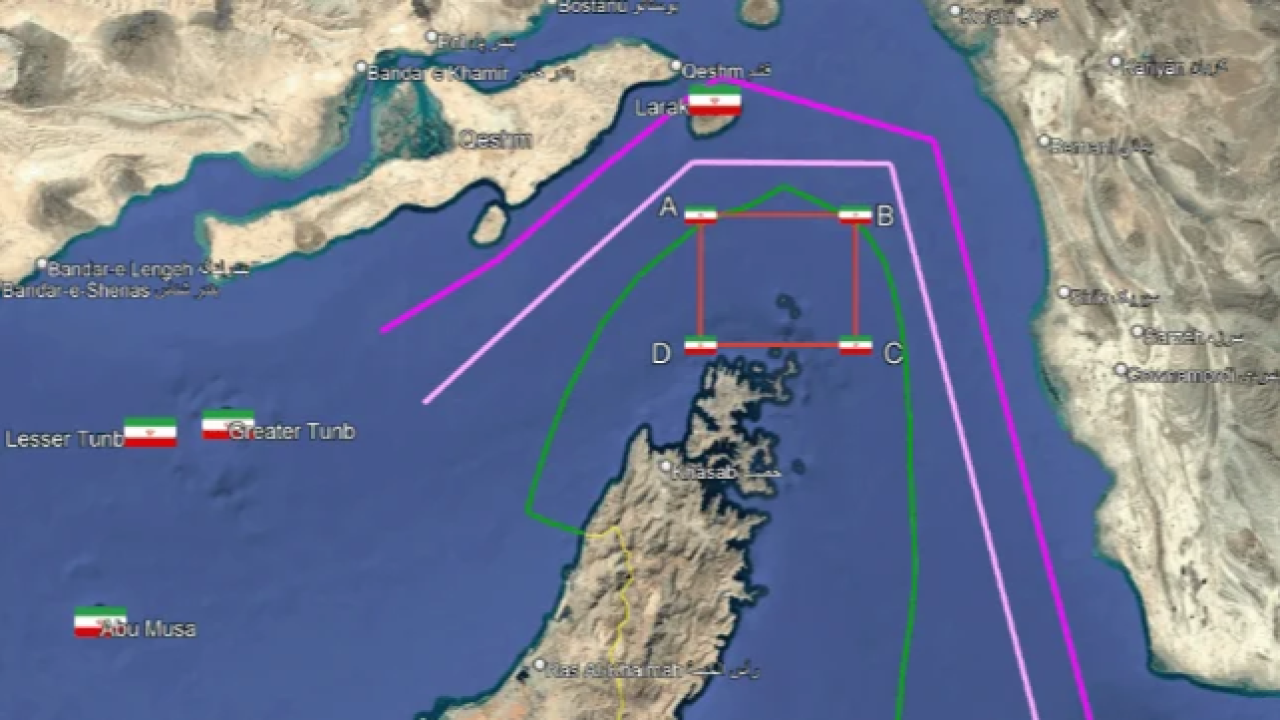
The Indian-flagged bulk carrier APJ Priti 2 transited the Strait of Hormuz via the Iran route, carrying 65,000 tonnes of fertiliser, according to an Indian government status report, as reported by New Delhi's Hindustan Times.
This transit followed three vessels, including an Indian-flagged crude oil tanker, crossing the strait a day earlier amid heightened tensions. Hours before the latest transit, a tanker carrying Qatari oil was struck inside the waterway in the second attack on a merchant ship this week, prompting naval authorities to raise the regional threat level to substantial.
The UK Maritime Trade Operations centre reported that the struck tanker suffered bridge damage from an unidentified projectile, with the crew safe and no environmental harm reported. The Joint Maritime Information Centre raised its threat assessment after an attack on the containership Ever Lovely, which sparked US retaliation against Iran and a counter-claim by Tehran that it struck US assets.
The International Maritime Organization warned that approximately 80 mines may have been laid in the strait. Under its arrangement with the US, Iran is responsible for clearing them, though the extent of those efforts remains unclear.
Fifteen vessels of Indian interest remain stranded in the Persian Gulf west of the strait and are identified for evacuation, according to the shipping directorate. These include one energy cargo vessel flagged by the petroleum ministry, four fertiliser carriers listed by the chemicals and fertilisers department, and ten other vessels identified by the Directorate General of Shipping.
As of Saturday, ten Indian vessels were positioned in the Persian Gulf west of the strait. In total, 44 vessels carrying India-bound cargo have crossed the strait since March, including 19 between March 1 and June 17, and 25 more since an Iran-US memorandum of understanding was signed on June 17.
Of these, 17 were Indian-flagged and 27 foreign-flagged, including ships from the Marshall Islands, Liberia, Panama, Portugal, Malta, the Cayman Islands, Greece, Gibraltar, Vietnam, Singapore, China, and Hong Kong. By type, the transits comprised 15 bulk carriers, 13 LPG carriers, 11 crude oil tankers, two LNG carriers, one container ship, one oil or chemical tanker, and one diving support vessel.
No vessels bound for West Asia are currently waiting at Indian ports, and Chabahar port remains operational, the report stated. There are 452 Indian seafarers on Indian-flagged ships in the region, split evenly west of the strait and in the Gulf of Oman, while 3,757 seafarers have been evacuated by shipping companies.
The directorate logged four incidents involving Indian-flagged vessels and 19 involving foreign-flagged vessels with Indian crew, resulting in seven fatalities, one presumed death, and four injuries. The situation is being monitored by the Indian Navy, with continued engagement with seafarers' families and a 24x7 DG Communication Centre control room in operation.