As tensions rise, Gulf states adapt by rerouting oil and cargo flows away from the Strait of Hormuz, enhancing resilience in global trade.
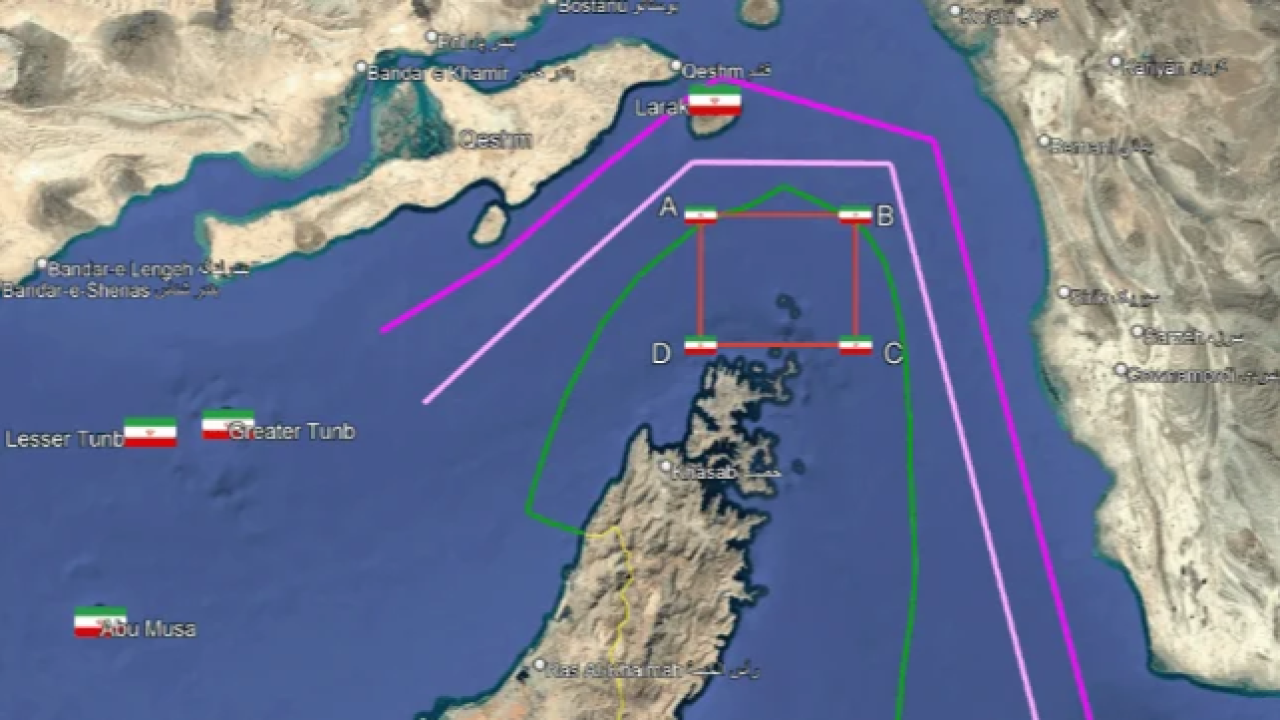
The Strait of Hormuz has long stood as the single most critical chokepoint in global energy trade. Roughly 20 million barrels of oil move through this narrow waterway every day – close to 20% of the world's daily oil consumption. For decades, that concentration made the strait indispensable. Today, it makes it a liability.
Renewed military tension around Iran and repeated threats to vessels transiting the strait have pushed oil producers, Gulf states, and shipping lines to move faster on alternatives. Recent attacks on tankers have rattled oil prices and rerouted cargo. Yet the wider story is one of adaptation. The industry is not waiting to see how the conflict unfolds – it is building around the risk.
For cargo owners, the shift matters directly. Every new pipeline segment, every expanded port, and every overland corridor changes the cost, transit time, and reliability of moving goods to and from the Gulf.
New Routes Emerging
The most established alternative to the strait is Saudi Arabia's East-West pipeline, which links the oil fields of the Persian Gulf to the Red Sea coast near Yanbu. The line can currently move up to roughly 5 million barrels per day, and Saudi authorities have signaled interest in raising that capacity further. By carrying crude overland to the Red Sea, the route sidesteps Hormuz entirely.
The United Arab Emirates offers a second key bypass through the port of Fujairah, which sits on the Gulf of Oman – outside the strait. The existing Abu Dhabi Crude Oil Pipeline already feeds Fujairah with roughly 1.5 million barrels per day, and plans call for expanded pipeline capacity and port infrastructure in the coming years, with further development targeted through 2027.
Speed of delivery, however, depends heavily on what gets built. Lucia van Geuns, an energy expert at The Hague Centre for Strategic Studies, notes that upgrading existing pipelines can be done relatively quickly, while constructing entirely new lines takes far longer. Goldman Sachs estimates that building a new pipeline within a single Middle Eastern country averages about two and a half years. For shippers weighing near-term risk against long-term resilience, that timeline is a useful planning marker.
Cargo Delivery is Changing
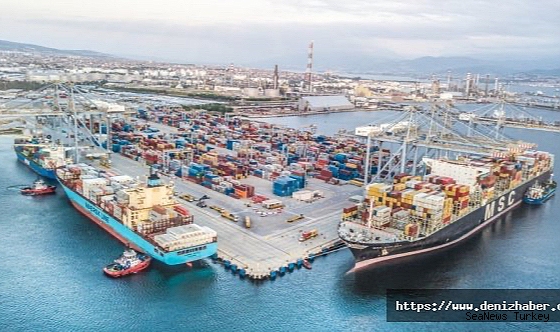
The rerouting extends well beyond crude oil. A significant share of container traffic has traditionally passed through Hormuz, and that flow is now being redistributed.
More cargo is being discharged at Jeddah on the Red Sea, with goods then moved overland into Gulf markets. At the same time, ports on the Gulf of Oman side of the strait are absorbing heavier volumes. Three names stand out:
- Khor Fakkan (UAE) – widely viewed as the strongest option, thanks to its road and rail links toward Dubai. The tradeoff is congestion; the surge in vessel calls means ships sometimes wait several days to unload.
- Fujairah (UAE) – expanding both its energy and container-handling capacity as demand climbs.
- Sohar (Oman) – partly operated in partnership with the Port of Rotterdam, and now scaling up to handle increased container throughput.
For cargo owners, the message is practical. Alternative gateways exist and are growing, but capacity is being tested. Building buffer time into schedules and confirming berth availability with carriers reduces the risk of costly delays.
Trade Continues
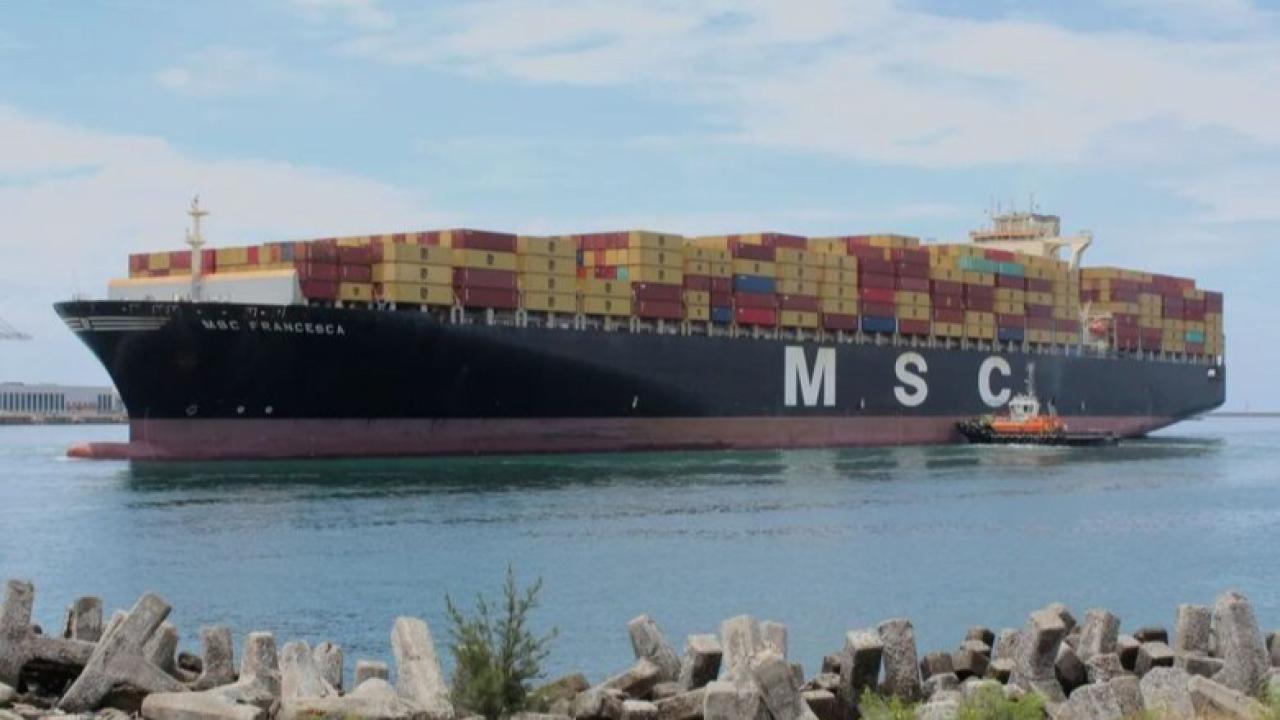
Despite the disruption, goods are still reaching their destinations. Maersk reported that of roughly 47,000 containers bound for Gulf countries before the crisis intensified, about 44,000 have already been delivered, with the remainder being moved between regional ports on alternative vessels.
The honest picture is mixed. Logistics have become more expensive and, in many cases, slower. But global trade to and from the Gulf has not stopped. The combination of expanded pipelines, growing ports, and new overland corridors is steadily reducing the region's dependence on a single maritime passage.
Hormuz remains one of the most important arteries in world energy trade. Its strategic weight, however, is gradually easing as the Gulf spreads its bets across multiple routes. For shippers, that diversification is the real benefit: a supply chain built on several corridors is far more resilient to the next geopolitical shock than one that runs through a single narrow strait.