
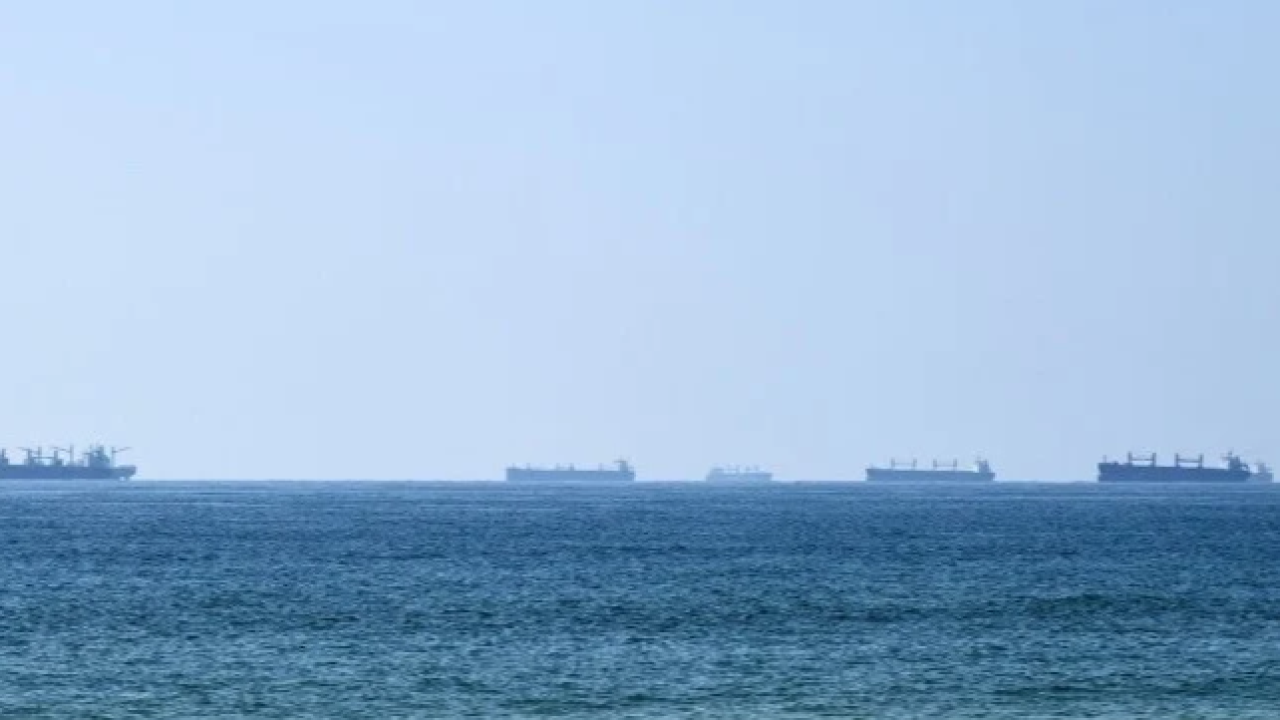
IMO and Oman initiate a phased evacuation plan for over 11,000 seafarers in the Strait of Hormuz amid safety concerns for maritime traffic.
IMO and Oman Launch Evacuation Plan in the Strait of Hormuz: Operations Begin for Over 11,000 Mariners
MUSCAT / LONDON – Following ongoing diplomatic contacts between the United States and Iran, along with statements from both sides regarding 'constructive discussions' and 'encouraging progress,' the International Maritime Organization (IMO) and Oman have initiated a comprehensive evacuation plan for commercial vessels stranded in the Persian Gulf.
In a statement made by the IMO, it was reported that operations aimed at safely evacuating over 11,000 mariners in the region have commenced. Under the plan, Oman will lead the gradual and controlled redirection of ship traffic and will update the number of vessels departing from the region on a daily basis.
Normal Maritime Traffic Not Considered Safe
Omani authorities emphasized in an official statement that the current security conditions render the normal Traffic Separation Scheme (TSS) unsafe. The statement noted that there are two separate navigation lanes, one for northbound and one for southbound traffic, and that vessels will be routed through temporarily established maritime corridors.
Last week, a warning was issued by the joint operations center following the confirmation of a mine's presence in the area. Additionally, reports indicating the presence of approximately 80 mines along major shipping routes have raised concerns within international maritime circles.
Oman highlighted the increased risk of collisions due to narrow transit corridors and announced that ship movements would be closely monitored.
40 Vessels Granted Initial Approval to Move to Waiting Area
IMO Secretary-General Arsenio Dominguez stated that the operation is on a large scale and confirmed that 14 mariners have lost their lives during the conflicts.
Dominguez said, 'We are implementing the plan for the evacuation of over 11,000 mariners stranded in the region. Necessary security guarantees have been provided for the safe conduct of operations, and navigation conditions have been comprehensively verified.'
Omani officials announced that the evacuation process will be carried out in groups of vessels and in phases. Transition dates will be assigned to the designated vessels, which will be directed to waiting areas established in international waters.
Maritime sources reported that initially, 40 vessels have received preliminary approval for transit. It was stated that these vessels could move to designated waiting areas before commencing their transit through the Strait of Hormuz.
Two Alternative Routes for Captains
According to the new regulation, captains will have the option to choose between a northern route passing through Iranian territorial waters and a southern route passing through Omani territorial waters.
Vessels have been instructed to contact the relevant coastal state based on their preferred route and to confirm whether the traffic conditions are suitable for transit.
The Omani administration emphasized that the transits would be conducted without any charges and in accordance with international law. Additionally, all vessels were requested to keep their AIS (Automatic Identification System) devices active during navigation.
Support from the Maritime Sector
The International Chamber of Shipping (ICS) expressed its satisfaction with the evacuation plan.
In a statement, the organization said, 'The IMO's evacuation plan is a significant development in ensuring necessary coordination and restoring freedom of navigation. It is critical that the plan operates in harmony with existing mechanisms.'
Conflicting Messages Continue from Iran
As the evacuation plan is being implemented, some groups within Iran continue to assert that the Strait of Hormuz remains closed and that no transits are permitted.
Despite this, there are indications that some commercial vessels have recently managed to exit the Gulf. According to maritime data, transit density is approaching the highest levels seen since the onset of conflicts in February.
60-Day Communication Line Between Iran and the US
Meanwhile, following the first round of talks held in Switzerland between Iran and the US under a joint mediation initiative led by Qatar and Pakistan, a joint statement was released.
The statement indicated that the parties have agreed to establish a direct 'communication line' for a period of 60 days. The purpose of this mechanism was stated to be ensuring the implementation of the agreement signed last week and guaranteeing the safe passage of commercial vessels in the Strait of Hormuz.
However, some groups in Iran claim that this arrangement is temporary and that after the 60-day period, the Strait of Hormuz will revert to being a waterway under Iranian control.
Last week, a group identifying itself as the 'Persian Gulf Straits Authority' announced that mandatory insurance would be implemented for vessels, stating that no fees would be charged during the first 60 days, but transit fees could be requested thereafter.
IMO: A Decisive Step for Maritime Security
Despite the ongoing debates, the IMO asserted that the US and Iran have taken a 'decisive step' towards restoring maritime security and ending attacks on civilian commercial vessels.
The organization assessed that maintaining diplomatic contacts and ensuring the safe continuation of commercial maritime transport is of critical importance for the global economy.
Source: SeaNews Türkiye


