Gulf freight rates have soared due to rising war risks and rerouting, with container costs skyrocketing since the Middle East crisis began.
Sea freight rates on Gulf trade lanes have jumped sharply since the Middle East crisis began, driven by war risk costs and rerouting, reports Mumbai's Indian Transport & Logistics News.
Container rates from Shanghai to Jebel Ali have risen from about US$1,800 per box in January to more than $7,000 by late March, according to Freightos. The surge reflects higher insurance premiums, surcharges, and costly detours around the Strait of Hormuz.
Lockton stated that marine war risk premiums for voyages through Hormuz have climbed 200-300 percent, with some extreme cases rising more than tenfold. Premiums now stand at 3-5 percent of vessel value, compared with 0.2-0.5 percent before the conflict.
Transport Intelligence reported that premiums jumped from 0.2 percent to nearly one percent within 48 hours of escalation, adding about $800,000 to a large tanker voyage. Some ships linked to the US, UK, or Israel faced premiums of 5-7.5 percent or were refused cover.
Pramod Sant of the Federation of Freight Forwarders Associations in India said the crisis is forcing a shift from cost management to risk management, with voyages disrupted, cargo returned, and new surcharges imposed mid-contract.
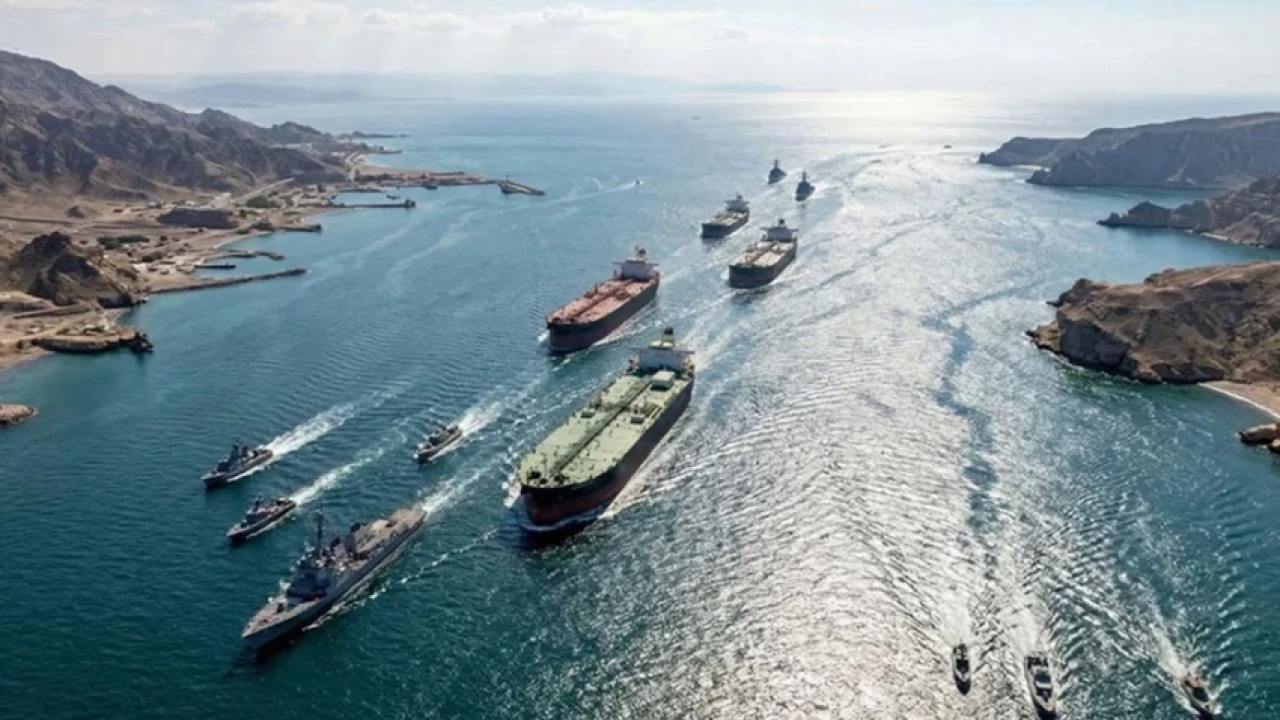
Judah Levine of Freightos noted that rerouting is driving costs higher, with containers diverted via India, Oman, or UAE ports outside Hormuz, or through Jeddah. He emphasized that these indirect pathways are inefficient and expensive.
Jitendra Srivastava of Triton Logistics mentioned that congestion is building at export hubs, with shipments facing delays of 7-10 days. Clients are prioritizing critical cargo while lower-priority shipments remain backlogged.
Pushpank Kaushik of Jassper Shipping indicated that Indian ports remain stable, but war risk premiums now weigh heavily on voyage economics. N Shyam Sundar of CMA CGM added that west coast gateways such as Nhava Sheva and Mundra are most affected, with cargo limited to essentials.
While Gulf-bound routes have seen sharp increases, global container markets remain largely stable. Carriers have introduced fuel surcharges of $200-500 per box, signaling wider cost pressures.
Militzer & Muench reported that customers are exploring multimodal corridors via Central Asia to reduce exposure. Chemicals, fertilizers, pharmaceuticals, and perishables are among the most exposed sectors.
The crisis has not halted Gulf trade but has reshaped it, with higher insurance, surcharges, and rerouting making shipping more costly and less predictable.