
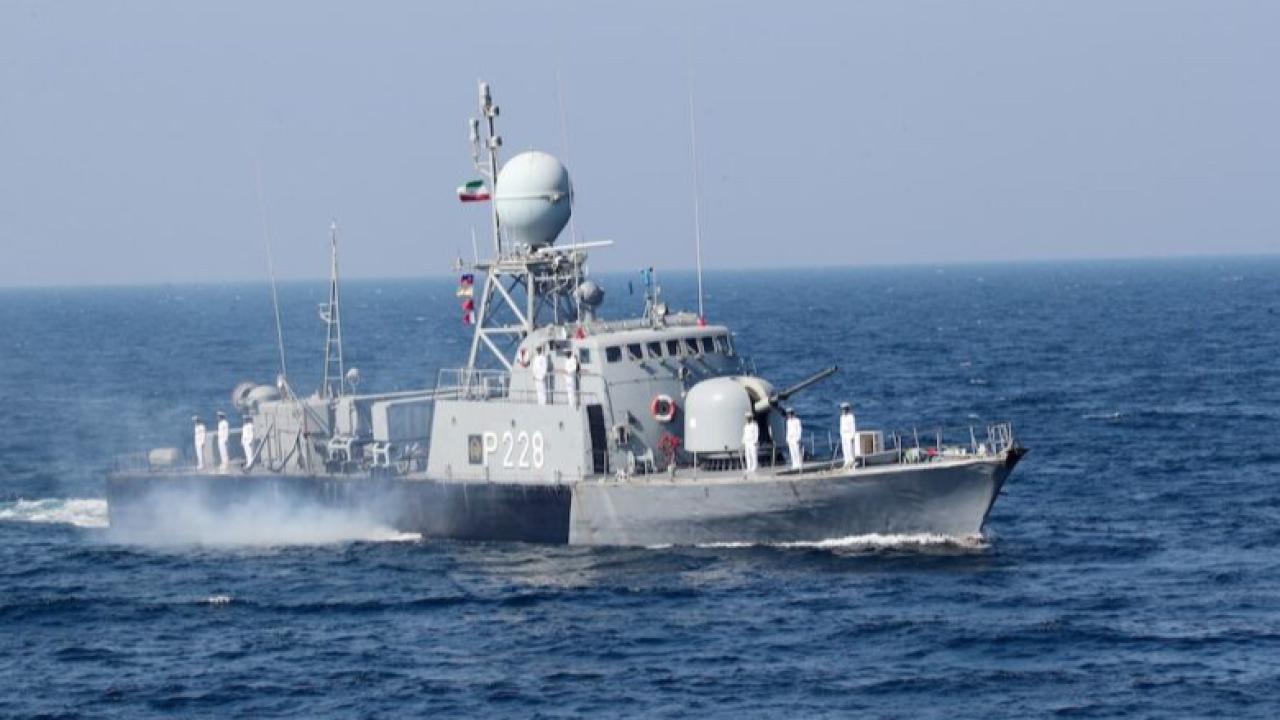
Pakistan's proposal for US-Iran talks revives diplomatic hopes amid ongoing tensions and maritime blockades in the Hormuz region.
Pakistan's Mediation Initiative: New Meeting Hope on the Washington-Tehran Line
The announcement that Pakistan has offered to host the second round of talks between the US and Iran has brought hopes for a diplomatic solution back to the forefront. The statement was made during a period when the US maritime blockade on Iranian ports entered its second day and the Hormuz crisis approached its 50th day.
Pakistani Prime Minister Shehbaz Sharif stated during a cabinet meeting, 'The ceasefire is still ongoing, and all efforts are being made to resolve the unresolved issues.'
Islamabad Summit Ends Without Results
Last weekend, talks held in Pakistan's capital Islamabad, chaired by US Vice President JD Vance, special representative Steve Witkoff, and Jared Kushner, did not yield any results. Following this, US President Donald Trump announced the maritime blockade against Iran on Sunday.
In a statement on Monday, Trump claimed that the Iranian side wanted to return to the negotiating table, saying, 'I can say that we are being sought by the other side. They want to make a deal.'
Strong Reaction from Iran
Iran's Foreign Minister Abbas Araghchi blamed the Washington administration for the stalemate in negotiations. According to statements in the Iranian press, Araghchi said that the US side had made 'excessive demands,' which led to the talks ending without results.
IMO Warns of Legal and Humanitarian Situation
International Maritime Organization Secretary-General Arsenio Dominguez stated in a press conference in London that the blockade has further exacerbated the humanitarian conditions faced by seafarers.
Dominguez said, 'Reducing tensions will help resolve the crisis and return maritime transportation to normal. Additional restrictive measures do not help us.'
Evaluating from the perspective of international law, Dominguez stated, 'It is not possible to obstruct the right of innocent passage or to halt the freedom of navigation in international straits.'
Blockade Comes into Effect
The blockade, which the US implemented on Monday at 14:00 GMT, covers vessels entering and exiting Iranian ports in the Arabian Gulf and the Gulf of Oman. The US Central Command announced that ships navigating between ports outside Iran would not be targeted.
Trump also stated in a social media post that Iranian fast attack boats approaching the blockade line would be 'immediately neutralized.'
Counter Threat from Iran
Iranian state media published a statement saying, 'Security in the Persian Gulf and the Sea of Oman exists either for everyone or for no one.' Iranian Parliament Speaker Mohammad Bagher Ghalibaf addressed Trump, saying, 'If you fight, we will fight too.'
Demand Alarm in the Tanker Market
Shipping agency BRS reported that the economic effects of the crisis are beginning to be felt, particularly noting a weakening of oil demand in developing Asia.
BRS indicated that as the closure of the Strait of Hormuz extends, a more severe demand contraction may be necessary to balance global markets, which could lead to a significant decline in demand for crude oil and petroleum product tankers.
Source: SeaNews Türkiye


