
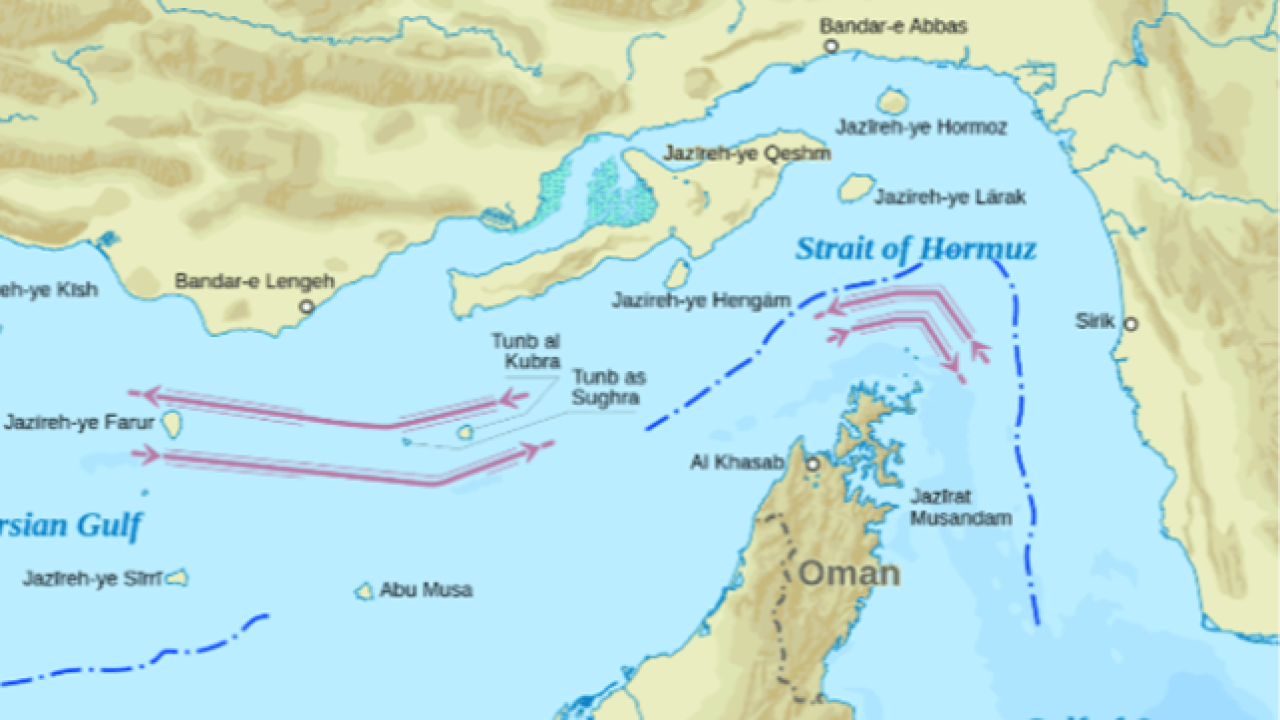
Cargo transit in Hormuz remains limited as Iran engages in talks while US sanctions impact regional dynamics.
According to monitoring services, a limited amount of cargo is passing through the strait, with the majority of this traffic following a route through the Iranian-controlled ports of Qeshm and Larak. Iranian state media claims that discussions are ongoing regarding transit conditions with several countries, including India and China.
On the other hand, Iranian tankers continue their loading and transit activities, thanks to the United States granting free passage to Iranian-flagged vessels and lifting sanctions on Iranian oil as of Friday.
Last week, Iran disabled approximately 6% of the global LNG liquefaction capacity. Additionally, it damaged Saudi Arabia's oil infrastructure along the Red Sea coast and targeted the US-UK base in Diego Garcia, located more than 2,000 miles away from the conflict zone.
So far, dozens of oil and natural gas fields, ports, and vessels along the Gulf line extending from Kuwait to Oman have become targets of conflicts.
Various analysts cite potential developments in the near term, including the possibility of the US conducting attacks on Iran's electrical grid in coordination with Israel to demonstrate its commitment to Trump's 48-hour threat. In response, Iran may retaliate against high-value infrastructure targets in neighboring countries. Furthermore, maintaining Iran's control over the Strait of Hormuz and the continued pressure on global oil, natural gas, and refined product supplies, particularly affecting consumers in Asia, are also among the likely scenarios.
Danny Citrinowitz, a former official responsible for the Iran file in Israeli Defense Intelligence, assesses the situation as follows: 'Iran will not reopen the Strait of Hormuz; this scenario is not realistic. In the coming days, especially in the event of US attacks on critical infrastructure, we can expect Tehran to threaten to 'set the Gulf on fire.'
According to Citrinowitz, such rhetoric will not change Iran's position against US threats. On the contrary, it puts the Iranian leadership in a difficult choice: either escalate tensions at the risk of a broader war or back down, further weakening US deterrence.
Source: SeaNews Türkiye


