US East Coast and Latin America rates strengthen as supply chain shifts create competition and operational challenges for freight forwarders.
The global container shipping market shows no signs of slowing during the peak season. Resilient demand, capacity adjustments, and growing supply chain challenges are driving regional divergence and heightened competition. Freight forwarders must navigate these complexities, balancing rate fluctuations with operational risks like space availability, port congestion, and schedule reliability.
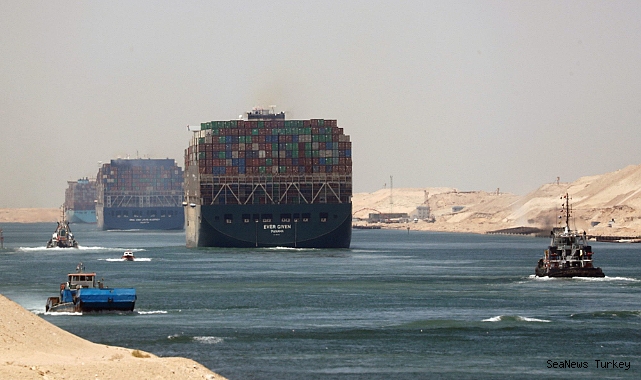
Global container demand remains stable, with trade demand across regions (excluding North America) growing over 10% year-on-year. Carriers are implementing rate increases across key routes, including Transpacific, Latin America, and Middle East lanes, supported by port congestion and tight equipment supplies. In the Red Sea region, Suez Canal transits are resuming, with major carriers like Maersk and COSCO Shipping expanding services to alleviate congestion and equipment shortages. Arctic routes are also gaining traction, with record-high container vessel voyages expected this year.
Transpacific rates remain elevated, with the US East Coast outperforming the West Coast. Rates for the East Coast now exceed West Coast rates by over $2,800 per box, driven by Panama Canal restrictions and surcharges. While carriers plan additional capacity for the West Coast, space on the East Coast remains tighter, supported by blank sailings and ongoing Black Friday and holiday restocking. Typhoon disruptions at ports like Shanghai are further straining capacity, prompting some shippers to explore inland rail connections through West Coast gateways.
China-Europe rates remain high, with modest adjustments keeping quotes between $4,300 and $4,800 per 40HC. Typhoon impacts at ports like Ningbo and Shanghai have caused congestion, delays, and equipment shortages. Clients are prioritizing transport reliability over price, as concerns grow over cargo rollovers and schedule disruptions. Meanwhile, the China-Mediterranean corridor faces downward rate pressure, declining 3% month-on-month. Rising bunker costs and equipment constraints are slowing further rate drops, as carriers maintain selective peak season surcharges.
The China-Latin America trade route is experiencing firm market conditions, with rate increases driven by typhoon disruptions, port congestion, and Panama Canal restrictions. New energy vehicle exports and ro-ro capacity shortages have added pressure, while solar panels and mechanical equipment sustain demand. Equipment at export hubs like Shanghai and Ningbo remains scarce, compounding challenges for freight forwarders.
For freight forwarders, peak season competition extends beyond price. Space availability, reliable schedules, and timely intelligence are critical to client success. As markets like the US East Coast and Latin America maintain upward momentum, forwarders must adapt to shifting conditions to secure long-term growth and customer confidence.