After eight consecutive weeks of increases, the Shanghai Containerized Freight Index (SCFI) has recorded its first decline, dropping marginally by 0.
After eight consecutive weeks of increases, the Shanghai Containerized Freight Index (SCFI) has recorded its first decline, dropping marginally by 0.03% to 3,686.62 points. While U.S. transpacific rates softened slightly, they remain high, with quotes reaching as much as USD 10,000 per FEU. European trades, however, continue to face notable downward pressure as October begins, highlighting the growing divergence between transpacific and Europe-Asia lanes.
The Far East to U.S. West Coast rate declined by 1.28% to USD 7,463 per FEU, while the East Coast rate dropped by 0.77% to USD 10,497 per FEU. Industry experts attribute the slight softening to reduced demand ahead of the Mid-Autumn Festival and Golden Week holidays, though pre-holiday cargo surges could still occur. Port congestion continues to support rates, with market quotes for 40-foot containers ranging from USD 7,800 to USD 10,500.
Looking ahead, capacity reductions and blank sailings during Golden Week may tighten supply, keeping rates elevated through October. While recent Sino-U.S. trade consultations have produced agreements like tariff reductions, their direct impact on shipping markets remains limited. However, tariff uncertainty could prompt shippers to advance first-quarter orders into late 2023, potentially providing rate support.
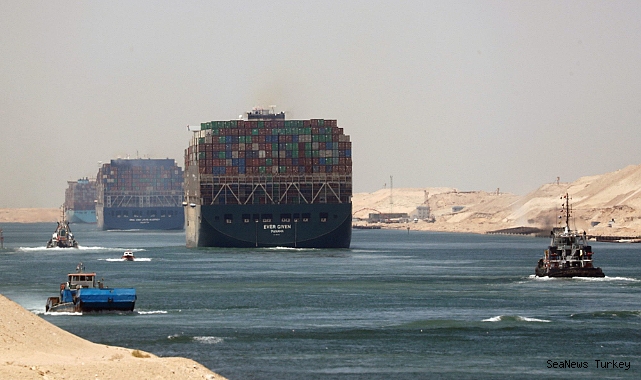
European trade lanes have seen greater rate declines. The Far East to Europe rate dropped by 4.61% to USD 2,313 per TEU, while the Mediterranean rate fell by 1.92% to USD 3,065 per TEU. Factors such as subdued demand, increased vessel capacity, and the resumption of Suez Canal routing are driving this downward trend. Current quotes for 40-foot containers range from USD 2,900 to USD 3,500, with further declines expected.
Freight forwarders should approach U.S. transpacific shipments with shipment-specific rate negotiations while monitoring booking windows, blank sailings, and post-holiday demand. For European lanes, patience may yield better rates as adjustments continue. Across markets, staying updated on tariff policies and carrier capacity decisions is crucial for effective logistics planning and cost management.
As October progresses, the interplay of demand shifts, port congestion, and carrier strategies will shape rates, with transpacific lanes remaining firm and Europe continuing to soften.