
Suez Canal Authority raises transit fees for most vessels, effective July 15, marking the first increase in three years, excluding passenger ships.
The Suez Canal sees its first comprehensive increase in three years: Additional fees raised.
The Suez Canal Authority (SCA) has implemented a comprehensive price increase for transit fees after nearly three years. The revised additional fees will come into effect on July 15.
The new application, described by officials as 'temporary,' covers almost all categories of vessels except passenger ships. The highest increase will occur for crude oil and petroleum product tankers.
According to the new regulation, the additional fee rate applied to loaded crude oil and product tankers will rise from 25% of the basic transit fee to 37%. For tankers in ballast condition, the rate will be 27%. An additional fee of 32% will be applied to LPG carriers, 22% to bulk carriers, and 12% to container ships.
The Suez Canal Authority had recently launched various incentive programs, particularly to attract loaded or empty container ships back to the canal. Nevertheless, the new price increases come at a time when the canal continues its efforts to increase vessel traffic, and security risks in the region persist.
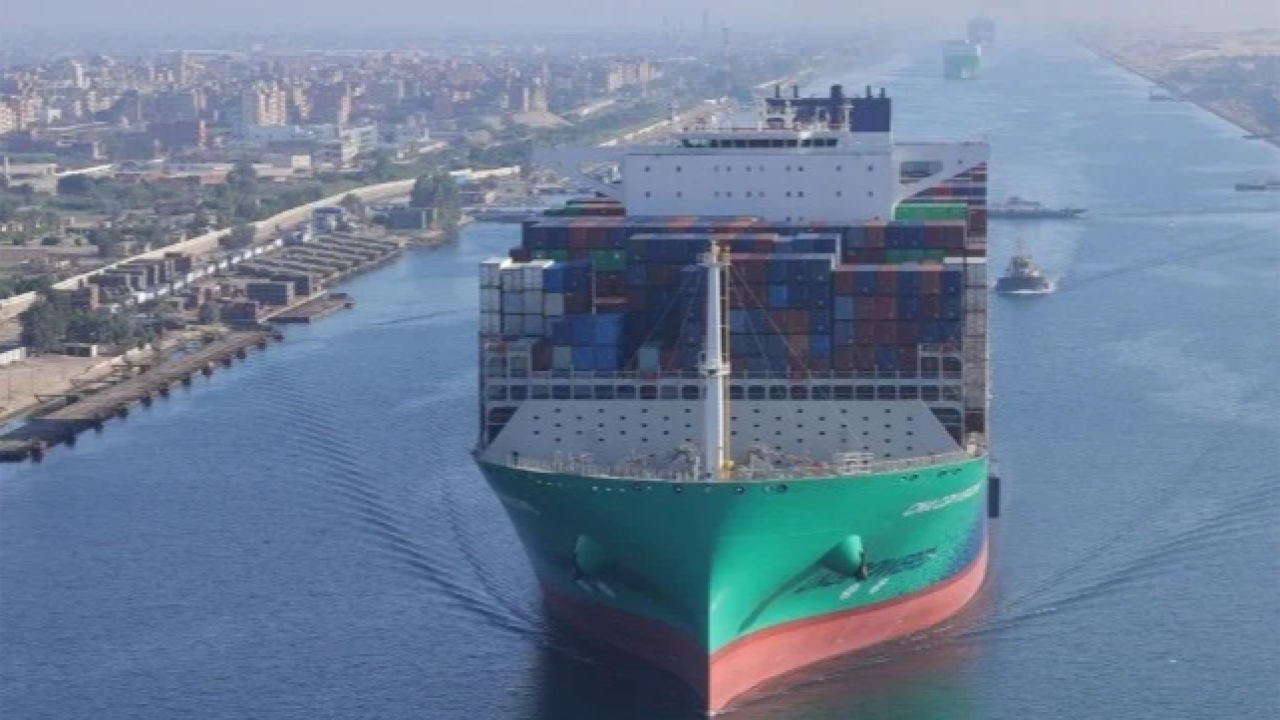
Osama Rabie, Chairman of the Suez Canal Authority, stated during a ceremony for the new generation ultra-large container ship CMA CGM Vendome, owned by the French shipping company CMA CGM, that geopolitical developments in the region have created new realities in maritime transport and global supply chains.
Rabie noted that despite this, the Suez Canal offers a shorter transit time and cost advantage compared to the Cape of Good Hope route, expressing that more vessels have started to prefer the canal thanks to the improvement of maritime services.
Officials announced that the CMA CGM Vendome, which has a capacity of 220,553 dwt and flies the Singapore flag, completed its first transit through the Suez Canal on June 9, 2025. The giant container ship, approximately 399 meters long and with a capacity of over 24,000 TEU, was part of the northern convoy from France to Asia.
The Suez Canal Authority also reported that the first southbound transit on CMA CGM's FAL 3 line has been carried out since January 2026. The French company had redirected some of its large vessels from Asia back to the Suez Canal route.
It was announced that CMA CGM made a total of 104 transits through the Suez Canal in the first five months of 2026, carrying approximately 12.5 million tons of cargo during these voyages. The company was among the large container shipping companies that had avoided the Red Sea and Suez Canal routes following the onset of conflicts in the Persian Gulf.
Meanwhile, security concerns in the Red Sea have resurfaced. A spokesperson for the Houthis stated that the passage of Israel-linked vessels through the Red Sea has been banned, warning that attacks could be expanded. Following mutual missile strikes between Israel and Iran, the Houthis claimed to have carried out a new missile attack against Israel.
The Red Sea continues to maintain its importance for energy transportation seeking alternatives to the Persian Gulf, while remaining a critical route for tankers loading from terminals on Saudi Arabia's west coast. Additionally, some shipping companies are creating alternative logistics corridors by transporting cargo delivered to Saudi ports via the Suez Canal overland to Gulf countries.
Source: SeaNews Türkiye


