
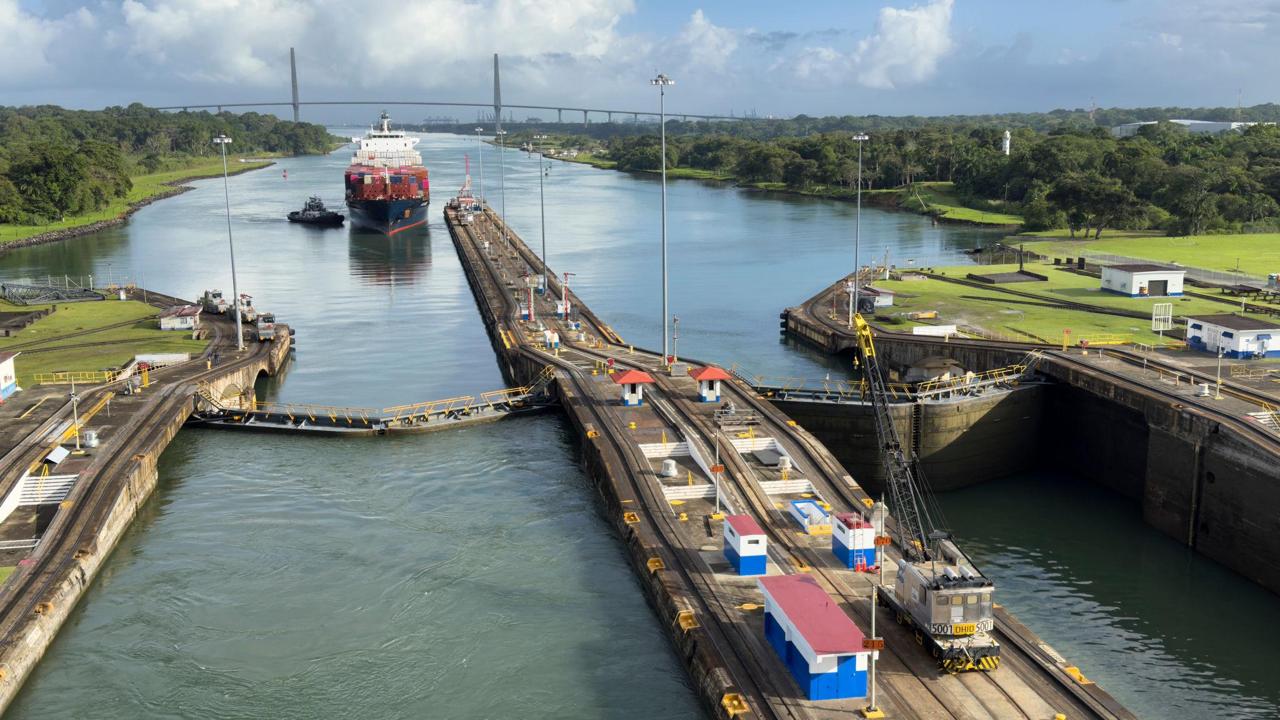
The Panama Canal boosts capacity while facing historic transit costs driven by rising demand and geopolitical tensions impacting global shipping.
The Panama Canal, one of the most critical transition points in the global logistics chain, is entering the second quarter of 2026 with increased operational capacity while facing the highest transit costs in its history due to rising demand and geopolitical risks.
The canal, which has experienced significant capacity restrictions due to drought in 2023 and 2024, has entered a relief process as water levels in Gatun Lake have risen above operational limits. It has been noted that February recorded one of the highest rainfall levels in the region in the last 132 years, and the daily number of ship transits has risen back to the range of 36 to 40.
Geopolitical Risks Increased Demand
Increasing security risks, particularly around the Strait of Hormuz in the Middle East, and uncertainties along the Suez Canal route have redirected some shipowners to alternative routes. These developments are believed to have increased demand for transits through the Panama Canal.
It has been reported that fees in transit auctions for ships without reservations have reached millions of dollars, which is particularly putting pressure on the costs of energy and container transportation. The strategic importance of the canal in LNG and fuel shipments between the U.S. and Asia has once again come to the forefront.
New Slot System in Operation
The Panama Canal Authority has implemented new regulations in the transit planning system to manage the high demand. With the introduction of the LoTSA 2.5 system, it aims to direct shipowners towards longer-term slot auctions instead of immediate transits.
Preparations are ongoing ahead of the new period starting in July 2026, and it is noted that the prioritization given to container ships could affect route planning for tankers and bulk carriers.
Alternative Corridors on the Agenda
Due to rising insurance premiums, security risks, and waiting times, some operators are evaluating alternative transportation corridors. In particular, land-connected 'Dry Canal' projects developed via Mexico are coming back into focus.
Industry representatives state that throughout the remainder of 2026, the Panama Canal will maintain its importance not only in terms of water levels and capacity but also as a strategic center where global trade routes are being reshaped.
Source: SeaNews Türkiye


