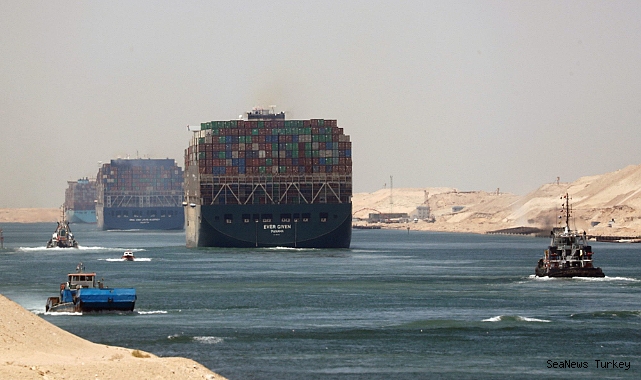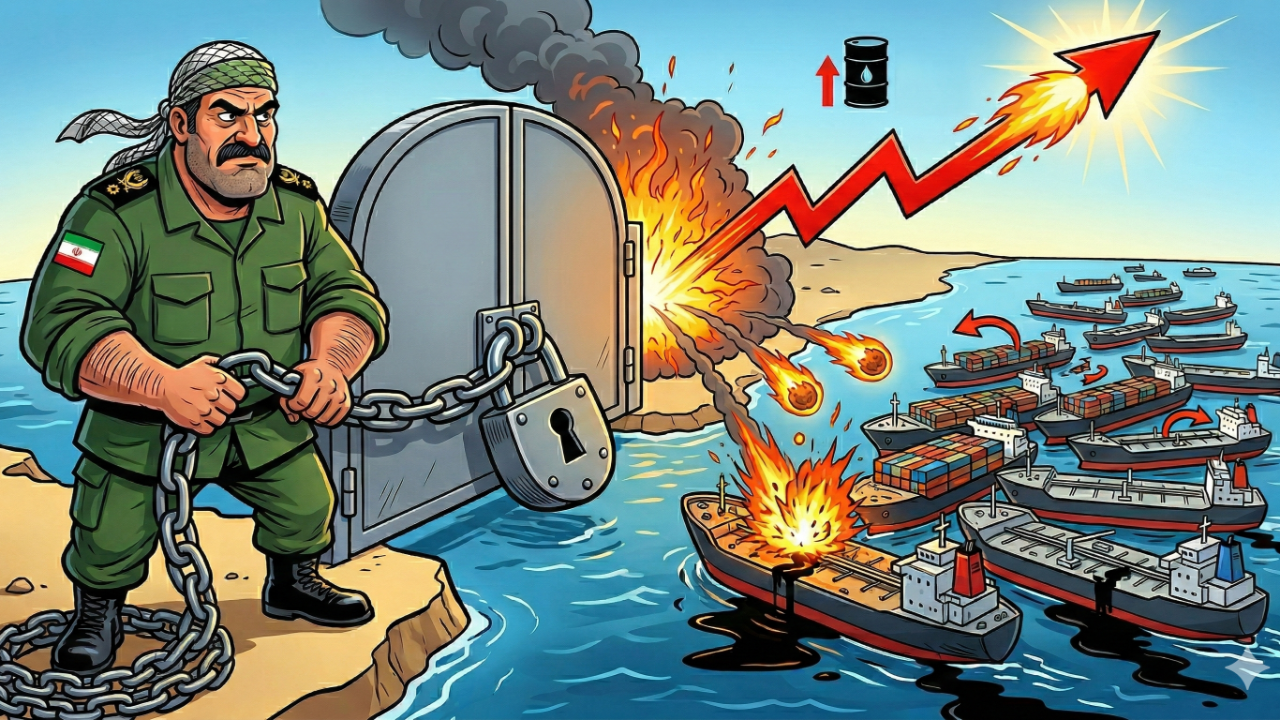
Asian economies struggle with fuel shortages after the Strait of Hormuz closure due to the Iran conflict, impacting oil supply and prices.
Asian economies are scrambling to cope with fuel shortages after the Iran conflict closed the Strait of Hormuz, a vital route for Middle East oil and gas, reports Boston's Christian Science Monitor.
The strait previously carried about 20 million barrels a day, more than 80 percent of it bound for Asia.
Net importers including India, Bangladesh, Myanmar, Thailand, and the Philippines face acute strain. 'The Asian economies' GDP will definitely suffer,' said June Goh, senior analyst at Sparta Commodities in Singapore. 'Prepare for some belt-tightening.'
Japan, reliant on Gulf crude for over 90 percent of its needs, will tap reserves equal to 45 days of supply. China, less exposed thanks to coal and renewables, holds stockpiles covering about four months. However, India is already seeing restaurants shut as cooking gas runs short, with panic buying spreading in major cities.
Governments are imposing emergency measures: South Korea capped fuel prices, Bangladesh and Myanmar rationed supplies, and Vietnam and Thailand ordered work-from-home policies. The Philippines moved to a four-day government workweek and is considering tax cuts on petroleum.
'The crisis shows how dangerously dependent we remain on imported coal, oil, and gas,' said Bishop Gerardo Alminaza of Caritas Philippines, urging a shift to renewables as a 'national survival strategy.'