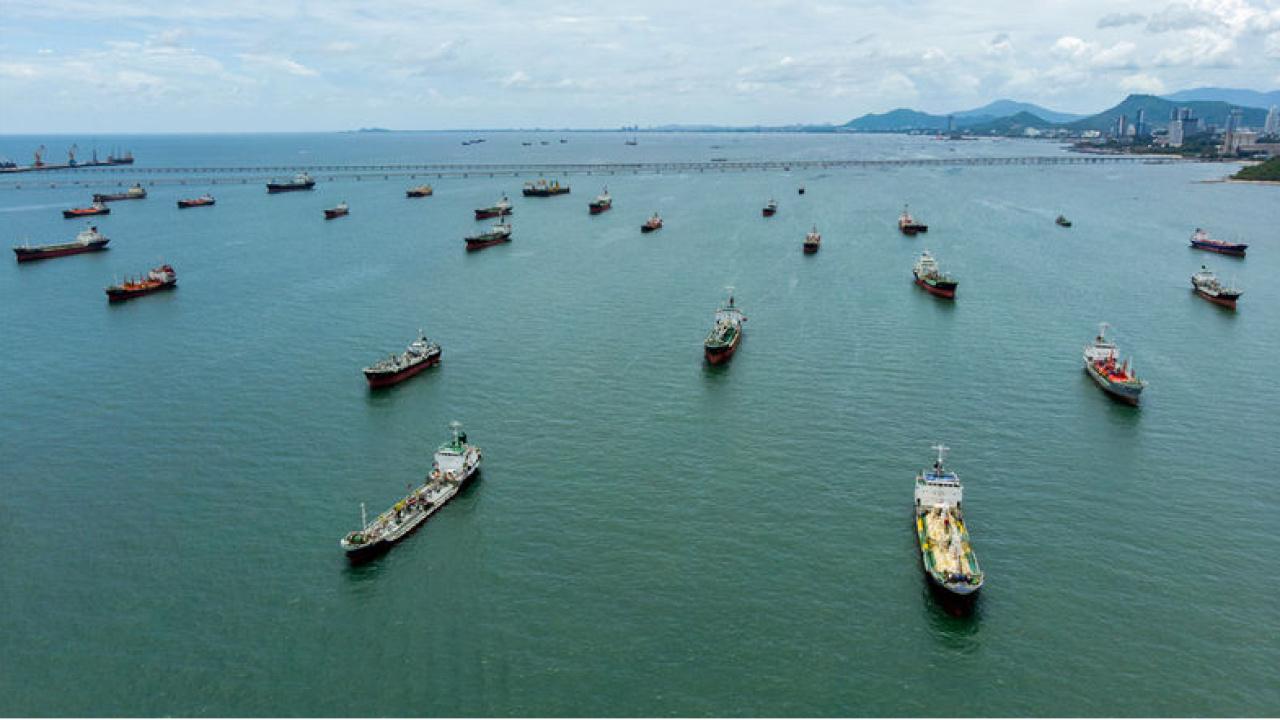
The Strait of Hormuz closure has cut LPG supply by 30% and crude by 20-25%, driving energy prices and tanker rates to unprecedented levels.
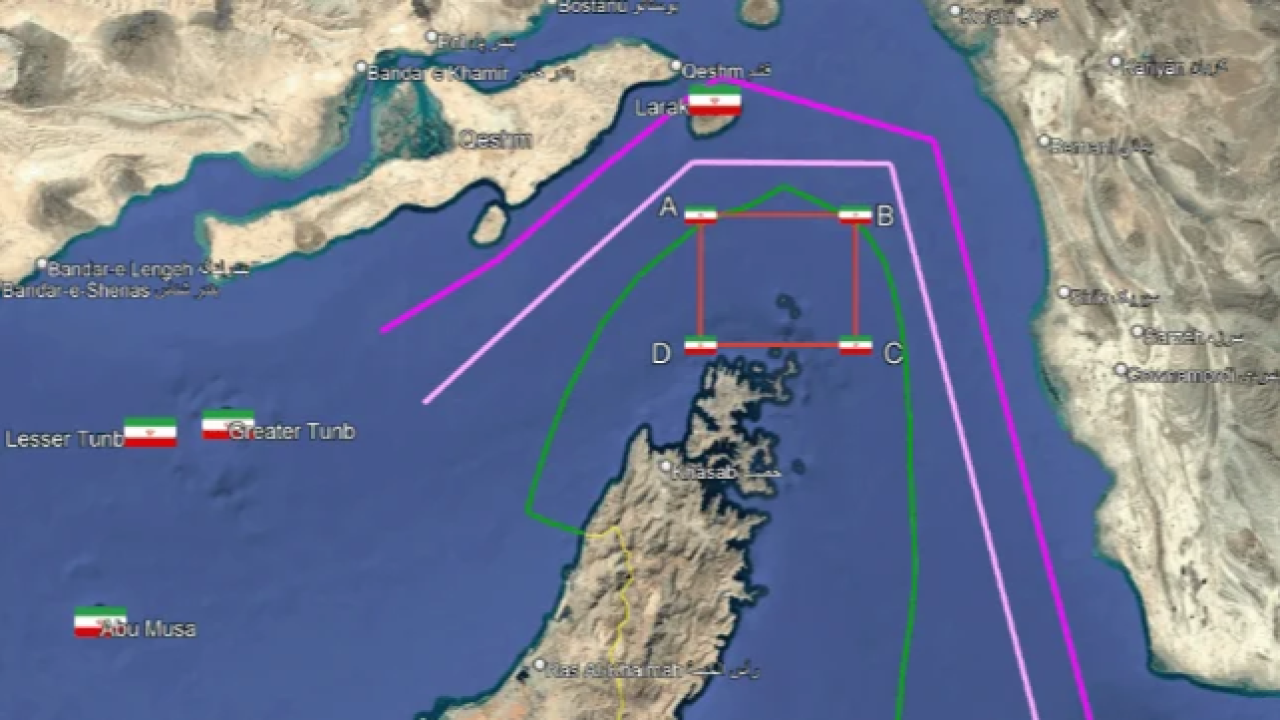
The closure of the Strait of Hormuz since late February has removed about 30 per cent of global LPG supply and 20-25 per cent of crude and oil products, sending energy prices and tanker rates to record levels, reported Athens' Safety4Sea.
Veson Nautical's Q2 2026 Shipping Market Outlook said VLGC earnings averaged US$75,000/day in Q1, up 56 per cent year-on-year, while VLCCs hit $175,000/day. MR Product Tankers averaged $36,000/day, with the Atlantic market outperforming the Pacific after China suspended oil product exports in March.
Ordering activity surged, with 33.3 million DWT of new tanker orders placed in Q1, five times the year before. Crude segments accounted for 90 per cent of activity, lifting the orderbook to 20 per cent of the fleet. Deliveries are expected to double in 2026, though effective fleet growth will be negative due to the conflict.
Bulker markets also strengthened, with Capesizes averaging $23,000/day, up 75 per cent year-on-year. Panamaxes averaged $15,000/day, while Supramaxes and Handysizes earned $14,500/day and $12,500/day respectively. Chinese exports surged 21.8 per cent in January and February, supporting iron ore, coal, and bauxite demand.
Container earnings were broadly stable, with the Hormuz closure affecting 1-2 per cent of supply. Diversions via the Cape of Good Hope sustained TEU-mile demand. Asia-North America volumes fell 7.4 per cent in January, while new vessel deliveries pushed fleet growth to nearly 10 per cent annually.
Veson Nautical said US LPG exports are forecast to grow 7.1 per cent in 2026 as buyers replace lost Middle East supply. Middle East exports are projected to decline 7.9 per cent. VLGC fleet growth is expected to average 7.9 per cent annually, with medium-sized segments facing sharper pressure from a 50 per cent orderbook-to-fleet ratio.
The outlook assumes Middle East oil flows begin recovering in summer, with Atlantic Basin shipments partly offsetting lost volumes. Longer term, demand growth east of Suez and production west of Suez will require more tanker capacity, though a prolonged conflict could weigh heavily on fleet utilisation.