
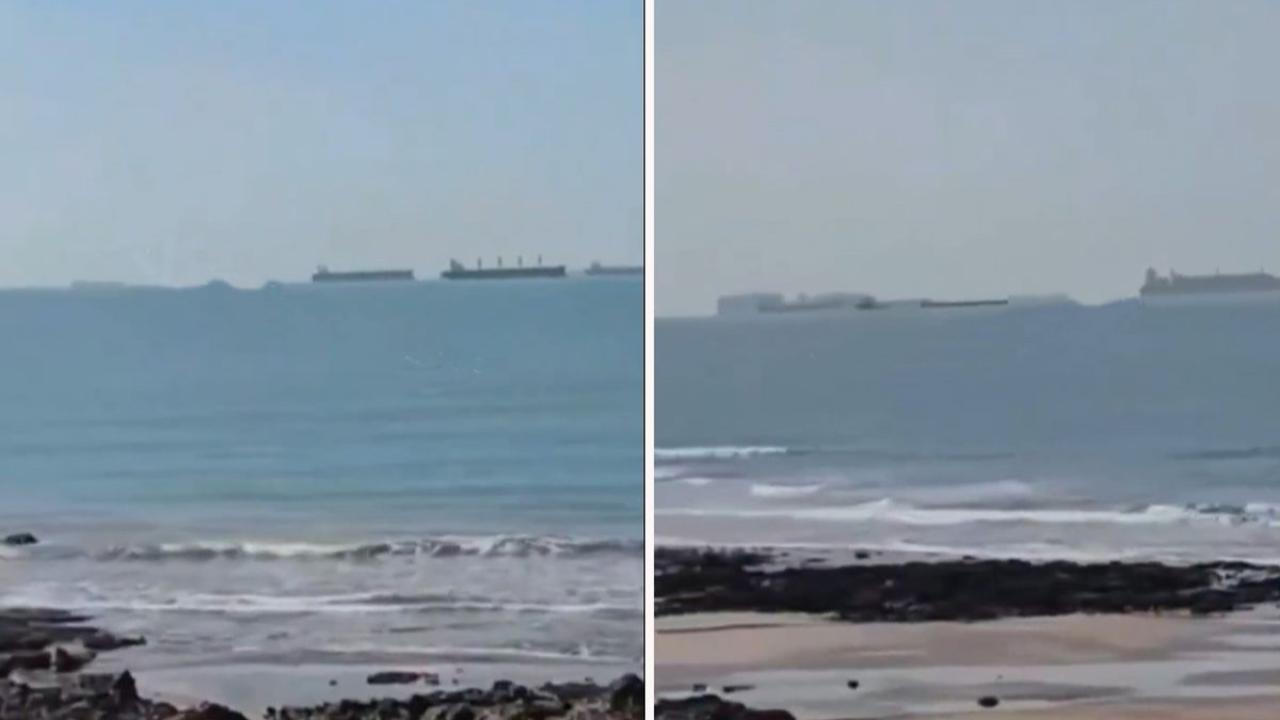
Over 1500 ships are stranded in the Strait of Hormuz due to Iran's new transit system, impacting global maritime trade and oil markets.
The crisis deepens in the Strait of Hormuz as over 1,500 ships await passage.
The new transit system implemented by Iran in the Strait of Hormuz has caused a significant backlog in global maritime trade. According to sources in Bandar Abbas, there are currently over 1,500 ships waiting on both sides of the strait to obtain transit permission from Iran.
The Iranian government announced that it has established a new permit mechanism for all commercial vessels passing through the Strait of Hormuz. Under the new system, ships will be required to use corridors designated by Iranian authorities and obtain official approval prior to transit.
In a statement made by the Iranian Revolutionary Guards, it was warned that vessels moving outside the designated route would face 'intervention.' Iranian media reported that transit operations would be conducted through the 'Persian Gulf Strait Authority' and that special rules for ships would be communicated via email.
International maritime circles indicate that there is serious traffic congestion in the region. It is particularly noted that oil tankers, container ships, and LNG carriers are being held in waiting positions for security reasons. Given that the Strait of Hormuz hosts approximately 20% of the world's oil trade, developments are being closely monitored in energy markets as well.
Source: SeaNews Türkiye


