
US and Israeli strikes on Iran disrupt markets, spike energy prices, and force poorer nations to ration fuel, warns Asharq Al Awsat.
US and Israeli strikes on Iran have rattled world markets, lifted energy prices, and forced poorer nations to ration fuel, reported London's Asharq Al Awsat.
Attacks on Gulf refineries, pipelines, and tanker terminals have destroyed infrastructure, raising the risk of long-term disruption. Iran's strike on Qatar's Ras Laffan terminal wiped out 17 percent of its LNG export capacity, with repairs expected to take five years.
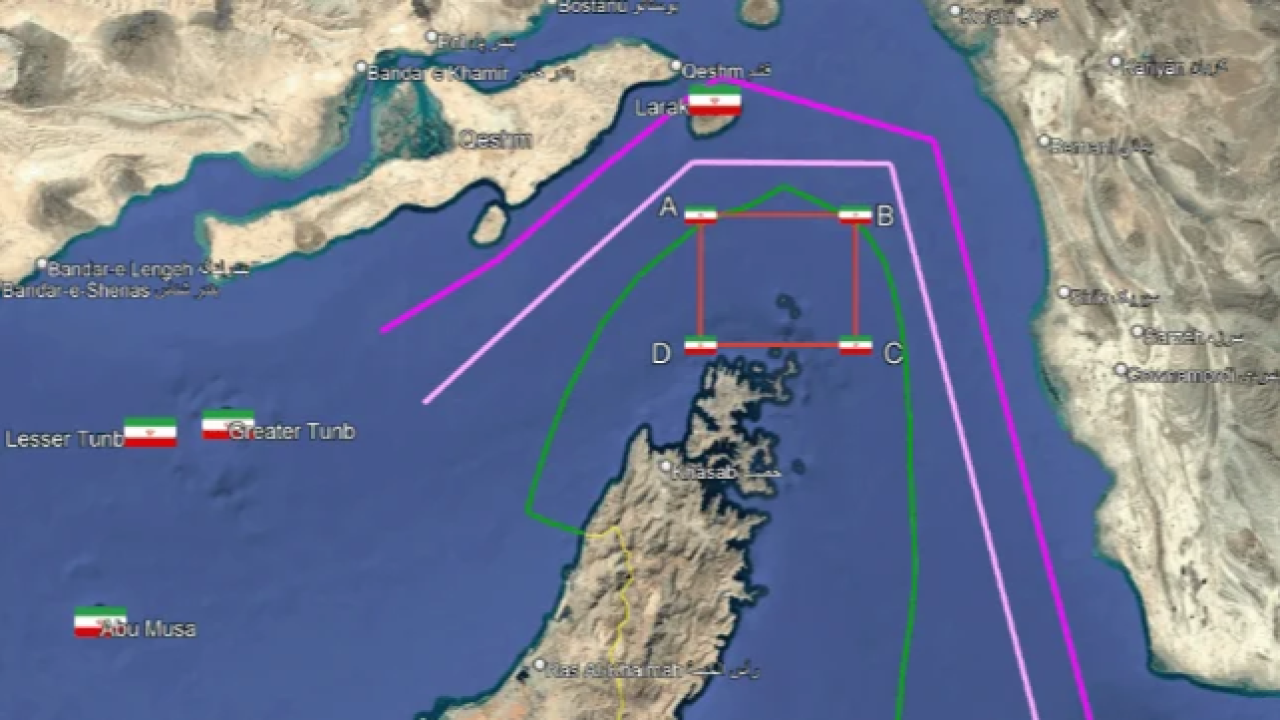
The Strait of Hormuz, a transit point for a fifth of global oil, has been effectively closed since late February. The International Energy Agency called the resulting loss of 20 million barrels a day the largest supply disruption in oil market history. Brent crude rose to US$105.32 a barrel, up from $70 before the war.
Economists warn of stagflation as higher energy costs combine with slowing growth. Former IMF chief economist Gita Gopinath said global growth could fall by 0.3 to 0.4 percentage points if oil averages $85 a barrel this year.
Fertilizer exports have been hit, with urea prices up 50 percent and ammonia 20 percent. Brazil, reliant on imports, faces particular strain. Rising costs are expected to push food prices higher and reduce yields, hitting poorer families hardest.
Helium supplies, vital for chipmaking and medical imaging, have also been disrupted. Qatar produces a third of the world's helium at Ras Laffan.
Developing countries are rationing energy. In the Philippines, government offices now open four days a week with limits on air conditioning. India is prioritizing households for LPG, while South Korea has reinstated fuel price caps.
The US economy is partly shielded as an oil exporter, but consumers face higher gasoline prices, now nearly $4 a gallon. Growth slowed to 0.7 percent in late 2025, while job losses mounted. Economists have raised the risk of recession to 40 percent.
Analysts warn recovery will take time as Gulf energy infrastructure remains under threat. 'There is no economic upside to the conflict with Iran,' wrote Moody's Analytics, noting the damage could last for years.