
Tehran suspends negotiations despite US lifting blockade, raising concerns over maritime security and regional stability.
US-Iran Agreement Enters Uncertainty: Tehran Signals Suspension of Talks
US Officially Lifts Iran Blockade
The US Central Command (CENTCOM) announced on Thursday that the American blockade on Iranian ports has been lifted and that Iranian trade will continue freely under the new US-Iran memorandum of understanding. This decision is considered one of the first concrete steps taken as part of the agreement reached between the two countries.
Critical Talks in Switzerland Postponed
However, on the same day, it was reported that Iranian negotiators have suspended their participation in a new round of talks planned to be held in Switzerland. The Iranian news agency Fars claimed that the Tehran administration decided to halt the 60-day negotiation process, which includes comprehensive issues primarily related to the nuclear program.
The White House did not directly confirm the claims but announced that Vice President JD Vance's visit to Switzerland, expected to involve discussions with Iranian officials, has been postponed. No new date has been given for the talks that were scheduled to begin on Friday.
First Article of the Agreement Sparks Controversy
The Iranian side argues that the first article of the memorandum has been violated. According to the Tehran administration, the US had assured that the ceasefire would cover not only Iran but also Israeli operations against Hezbollah, which Iran supports.
However, the Israeli army conducted new attacks on Thursday in the Kfar Tebnit and Zabadin regions of southern Lebanon. Reports indicate that three people lost their lives in the attacks.
Israel is Not a Party to the Agreement
Iran views the attacks in Lebanon as a development contrary to the overall spirit of the agreement, while the Israeli government states that it is not a party to the agreement and is not bound by it.
According to the text of the memorandum, ensuring stability in Lebanon is among the obligations undertaken by the US. This situation has led to interpretations that the Washington administration may need to persuade Israel to change its military strategy.
Calls for Stronger Intervention in Israel
The Israeli government argues that it is necessary to maintain control over certain areas in southern Lebanon for the security of the settlements along the border.
However, some figures within the ruling Likud Party advocate for more comprehensive military operations. Likud MP Moshe Saada stated in an interview with Reuters, 'Our mission requires us to attack Lebanon everywhere, at any time of the day, with maximum force and disproportionately.'
Ghalibaf Sends Strong Message
Iran's chief negotiator Mohammad Baqer Ghalibaf also used strong language in a statement on Thursday evening.
While Ghalibaf refrained from confirming the official suspension of the talks, he said, 'If the other side shows bad faith, violates the agreement, and makes excessive demands, we will not hesitate to give a crushing response to the enemy. They were slapped once during the war; if they go down that path again, they will receive a harsher slap.'
Concerns Rise for the Strait of Hormuz
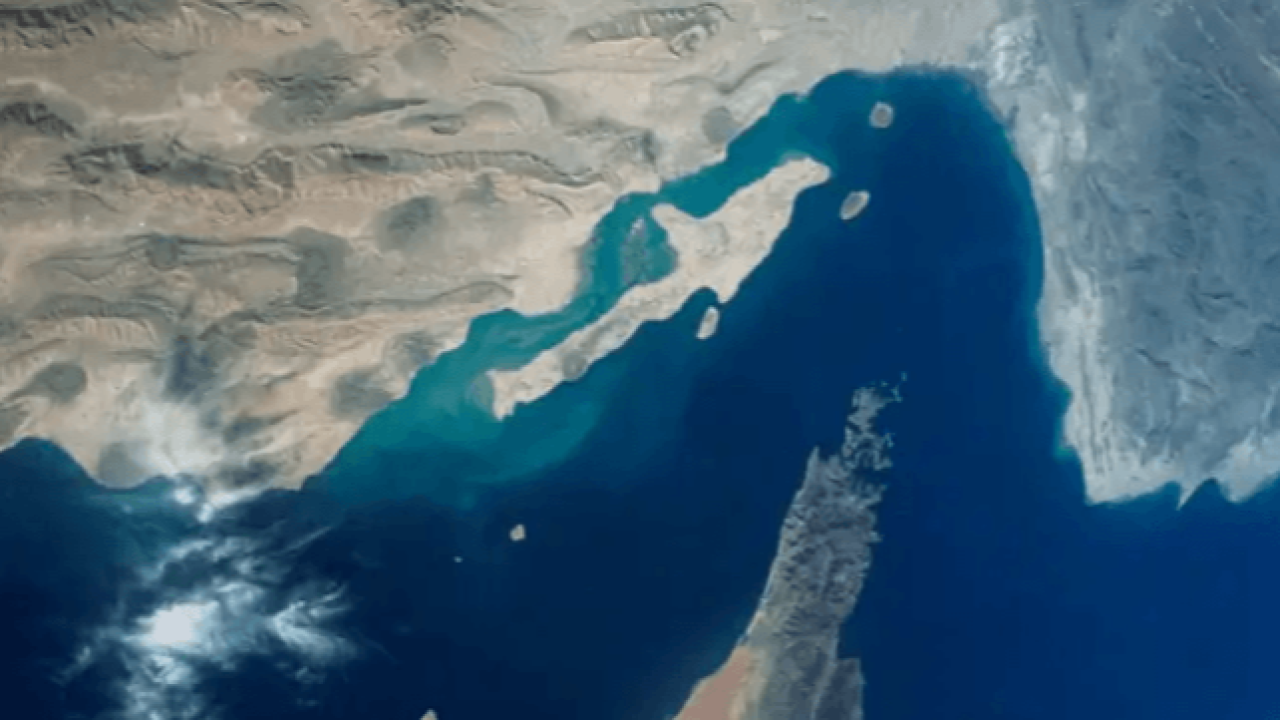
It is noted that if Iran suspends the negotiation process, it could have significant consequences for maritime trade. The departure of a small group of vessels that had been stranded in the Strait of Hormuz on Thursday indicates that maritime traffic is beginning to move again.
Experts warn that if Tehran suspends its obligations under the memorandum, uncertainties regarding maritime security in the Strait of Hormuz and global energy trade may increase once again.
Source: SeaNews Türkiye


