
Trump's Iran policies heighten tanker market volatility, affecting global maritime and energy sectors amid unrest in Iran.
Tensions Surrounding Iran Increase Volatility in Maritime and Energy Markets
The intensification of both economic and military threats by U.S. President Donald Trump is deepening uncertainties, particularly in the tanker market.
On Monday, Trump announced that a 25% tariff would be imposed on all goods imported into the U.S. from countries that conduct trade with Iran. The President emphasized that the decision is 'final and definitive.' The announcement came amid a rising atmosphere of internal unrest in Iran in recent weeks. According to human rights organizations, over 600 people have lost their lives in anti-government protests in the past three weeks.
Military Rhetoric Intensifies
The U.S. President has also hardened his military rhetoric, stating that Washington would consider 'very strong options' in the event of escalating violence. The Iranian Foreign Minister indicated that Tehran is open to negotiations while also expressing that the country is 'ready for war.' Iran had previously raised the option of closing the Strait of Hormuz during earlier periods of tension. On Sunday, a senior politician in Tehran warned that international vessels could be targeted in the event of a possible U.S. attack.
Trump's national security team is expected to meet at the White House today to discuss potential scenarios regarding Iran.
Possible Effects on the Tanker Market
According to brokerage firm BRS, Iran continues to export approximately 1.6 million barrels of oil daily, with nearly all of this shipment directed to China via 'grey fleet' tankers. However, BRS warns that in the event of escalating tensions, particularly considering supply issues in Venezuela, China may turn to alternative Middle Eastern crude oil.
Such a scenario could lead to a shift in demand from grey fleet tankers to mainstream tanker tonnage, potentially driving up charter rates for VLCCs and Suezmaxes in the region. According to data from Kpler and Vortexa, Iran's oil stocks stored in waters near China have reached all-time highs, ranging from 166 to 170 million barrels.
Container Shipping to Be Less Affected
It is noted that the risks for container shipping are more limited. Judah Levine, head of research at container booking platform Freightos, stated that approximately 20% of global oil supply passes through the Strait of Hormuz, while only 2 to 3% of global container volume utilizes this narrow strait.
Levine indicated that any potential disruption would create regional rather than systemic effects on a global scale, but the closure of the Strait of Hormuz could effectively cut access to Jebel Ali Port, the largest transshipment hub in the Middle East, necessitating rerouting through South Asia. This could lead to temporary bottlenecks and upward price pressures.
Tanker Released, Risks Persist
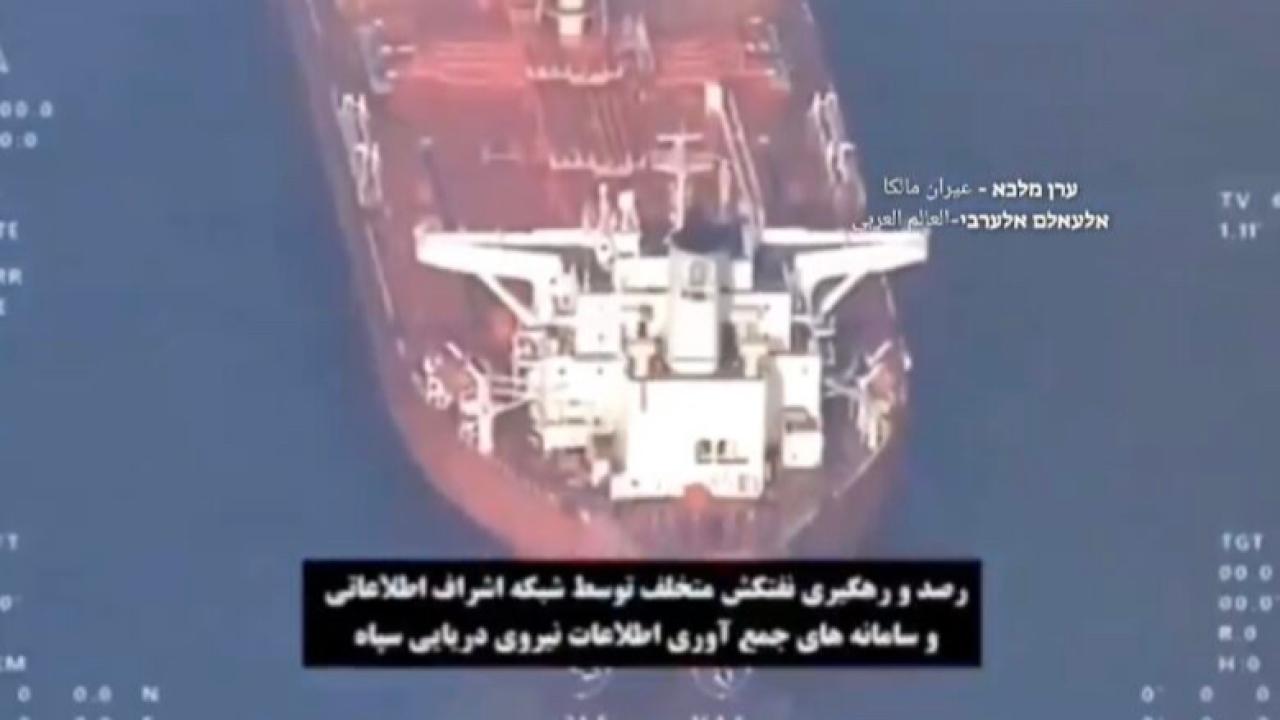
In the midst of rising tensions, a rare sign of de-escalation has emerged. Maritime intelligence firm TankerTrackers.com reported that Iran quietly released the Greek-owned St. Nikolas tanker, flagged under the Marshall Islands, after detaining it for two years.
The tanker was seized while transporting Iraqi crude oil from the Gulf of Oman in January 2024. The incident was viewed as retaliation for the previous U.S. seizure of the vessel when it was carrying Iranian oil under the name Suez Rajan. While the release decision may indicate the end of a prolonged period of tension characterized by reciprocal vessel seizures in the Strait of Hormuz, it is emphasized that risks to the global maritime sector remain at high levels.
Geopolitical Restructuring Marking 2026
The year 2026 began with two significant developments for global tanker shipping: ongoing instability in Iran and the U.S. special forces' action to overthrow the Nicolas Maduro regime in Venezuela on January 3.
Greek brokerage Xclusiv Shipbrokers noted in its new report that developments in Caracas have created a 'multi-year restructuring catalyst' for the tanker market. According to the report, the logistical challenges arising from the redirection of heavy crude oil flows will support ton-mile demand throughout 2026.
In its assessment, Xclusiv stated, 'The main challenge for shipowners in the upcoming period will not be finding cargo, but rather meeting the 'clean' technical and regulatory profile required for modern chartering operations in this new environment of intensified geopolitical scrutiny.'
Source: www.denizhaber.com


