The White House is mulling another extension of waivers for foreign ships to transport goods between US ports due to rising energy concerns.
The White House is considering another extension of waivers allowing foreign ships to carry goods between US ports as renewed conflict with Iran raises concerns over energy prices and supply disruptions, reported Reuters.
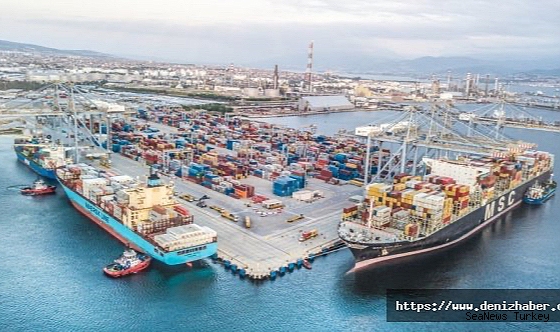
Officials are weighing geographic restrictions on the waivers to limit where foreign-flagged vessels can operate, sources said. The administration argues that the measure has eased supply pressures, though maritime groups and Republican allies contend it undermines US shipbuilding and national security.
The Energy, Transportation, and Interior departments met earlier this week to discuss options ahead of a possible decision before the end of July. The current waiver, which has already been extended once, expires on August 16.
Domestic crude is about US$80 a barrel. The White House has also tapped the Strategic Petroleum Reserve, which is now at its lowest level since 1983, to help control prices. 'President Trump's decisive action to waive the Jones Act has helped prevent supply chain shortages,' a White House official said.
The Jones Act requires goods moved between US ports to be carried on American-built, owned, and crewed vessels. The waiver, first granted on March 17, allowed foreign ships to move commodities including oil, fuel, and fertilizer.
Critics, including House Speaker Mike Johnson, have urged the administration to end the waiver, arguing that it weakens the US maritime industry. The White House maintains that the measure has increased shipping capacity and helped move supplies, but opponents dispute its impact and warn of long-term damage to American crews and shipbuilders.