July saw a collapse in schedule reliability at Asia's ports, threatening global supply chains as typhoons worsened terminal operations.
Schedule reliability across Asia's largest container gateways collapsed in July, with all 14 of the region's busiest ports posting weaker performance as typhoons compounded already-stretched terminal operations, according to new data from analyst Sea-Intelligence. The deterioration now threatens to ripple through global supply chains well into the final quarter.
Shanghai, the world's busiest container port, ranked among the hardest hit. Its schedule reliability plunged to just 21 percent. Ningbo fell to 34.6 percent, while Singapore, the world's largest transshipment hub, managed 43.2 percent.
Yantian recorded the sharpest monthly deterioration, dropping 23.5 percentage points to 48.3 percent. Hong Kong declined 20.4 points, and Ningbo fell 20.1 points over the month.
The breadth of the decline suggests the problem is no longer confined to isolated bottlenecks. Sea-Intelligence noted that eight major trade lanes terminating in Asia saw schedule reliability fall by an average of 7.5 percentage points in July. Those trades accounted for 39 percent of all vessel arrivals measured during the month.
The pressure extended well beyond Asia. Globally, schedule reliability fell 6.1 percentage points to 56.4 percent, the sharpest monthly decline since January 2021. Late vessels arrived an average of 6.06 days behind schedule.
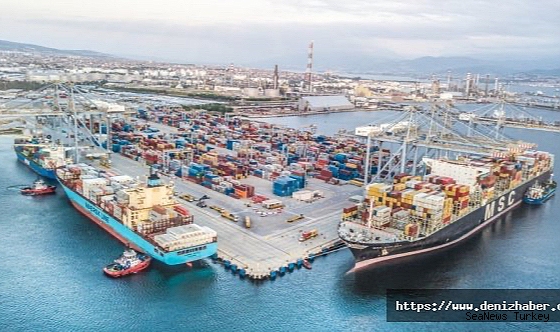
Signs of strain were increasingly visible outside port limits. Linerlytica estimated last week that more than 4.3 million TEU of containership capacity was waiting to berth worldwide, surpassing even the absolute peak recorded during the pandemic. Consultancy Drewry has separately warned that average vessel waiting times have nearly doubled compared with 2019.
Sea-Intelligence estimates that 6.6 percent of the global containership fleet is currently tied up in delays, equivalent to around 2.3 million TEU held out of effective circulation.
The disruption is unlikely to ease quickly. Sea-Intelligence expects congestion to take between four-and-a-half and six months to return to the lows recorded in June 2025, placing continued strain on carriers, cargo owners, and the wider logistics network as the year draws to a close.
For shippers weighing delivery commitments against a tightening market, the data point to sustained volatility, reinforcing the value of real-time visibility, flexible routing, and proactive risk management in preserving reliable transit in the months ahead.